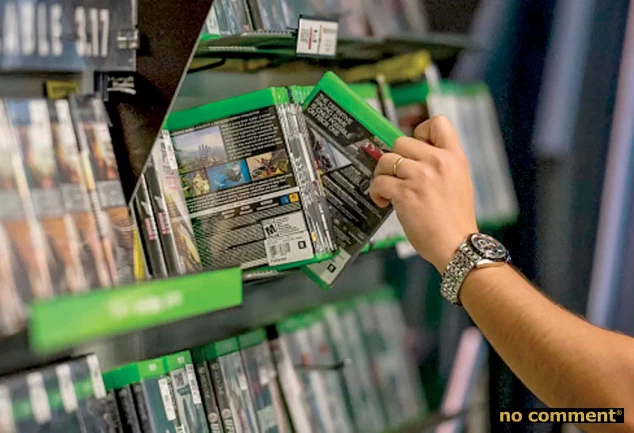
The concept of a "backlog" has become a familiar phenomenon in the gaming community, where players accumulate a collection of games they've purchased but never played. This growing list of unplayed games raises questions about the value of ownership and the joy of gaming. According to a recent article on nocomment.mg, this trend has transformed gamers into collectors of a bygone era, where the focus is on accumulating games rather than playing them.
The ease of purchasing games on platforms like Steam has contributed to the backlog phenomenon. With the simplicity of just clicking a button, gamers can easily add to their collection, often driven by the fear of missing out on a good deal. However, this ease of purchase has led to a shift in focus from playing games to owning them. The transaction has become an end in itself, with the pleasure of acquisition replacing the joy of gameplay.
The backlog can be seen as a form of moral debt to oneself. Each game added to the collection represents a promise to play it someday, but as the pile grows, it can become overwhelming. The accumulation of unplayed games can weigh heavily on gamers, leading to feelings of guilt and anxiety. This raises questions about the value of owning every game and whether it's necessary to keep them all.
Some gamers have begun to adopt a different approach, prioritizing playing a smaller selection of games rather than accumulating a large collection. By focusing on a few games at a time, they can fully experience and appreciate the gameplay, rather than simply owning a large library of unplayed games. This approach allows for a more mindful and intentional gaming experience.
The backlog phenomenon speaks to a broader issue about our relationship with time and the way we consume media. In today's digital age, we're faced with an overwhelming array of choices, making it difficult to decide what to engage with. The backlog represents a form of temporal storage, where we stockpile experiences for later, but often never get around to enjoying them.
The question remains whether gamers need to own every game they've purchased. Perhaps the focus should shift from accumulating games to experiencing them. By prioritizing gameplay over ownership, gamers can rediscover the joy of gaming and find a healthier balance between their collection and their playtime.
Ultimately, the backlog phenomenon is a personal issue that each gamer must navigate. While some may find joy in collecting games, others may find that it's not worth the stress and guilt that comes with it. By being mindful of their gaming habits and prioritizing gameplay, gamers can find a more fulfilling and enjoyable experience.
Key points
- The backlog phenomenon raises questions about the value of ownership and the joy of gaming.
- The ease of purchasing games on platforms like Steam has contributed to the backlog phenomenon.
- Some gamers are adopting a different approach, prioritizing playing a smaller selection of games rather than accumulating a large collection.