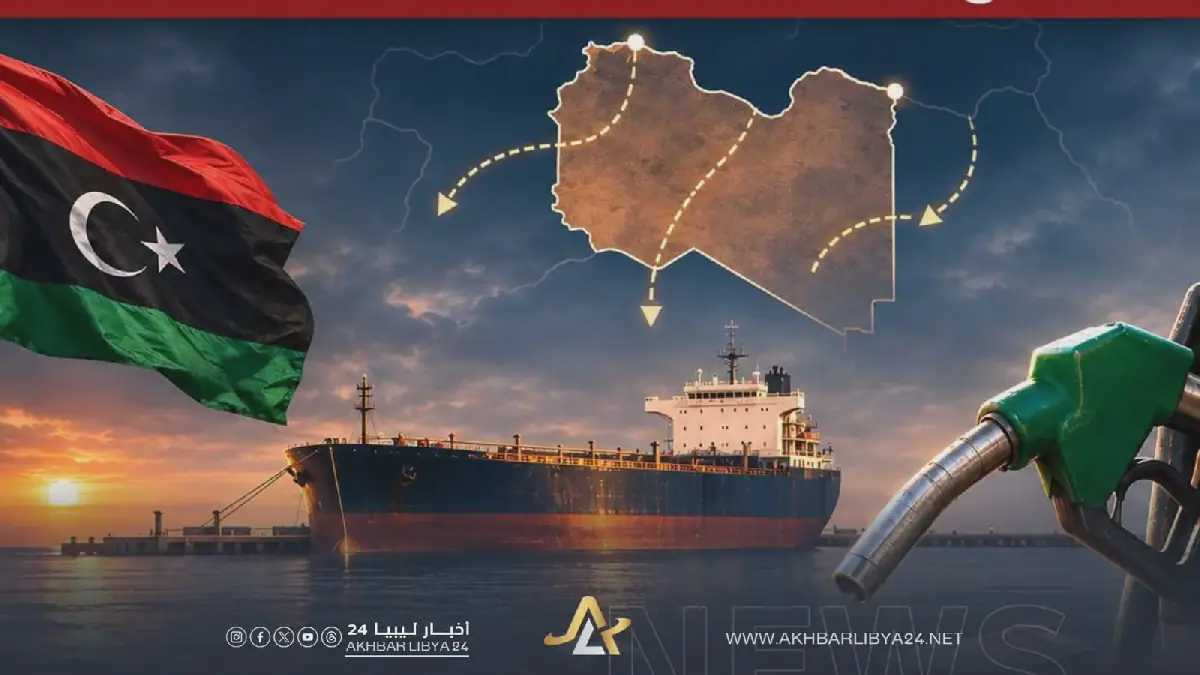
The debate over lifting fuel subsidies in Libya has intensified, with some arguing that it will lead to increased corruption and higher living costs, while others see it as a necessary step towards economic reform. The country's economic experts and politicians are divided on the issue, with some warning that the move could lead to a new wave of price hikes and increased financial burdens on citizens. The current subsidy system has been criticized for being inefficient and prone to corruption.
Economic expert Ibrahim al-Haddad has expressed concerns that lifting fuel subsidies and devaluing the Libyan dinar could lead to increased corruption and financial burdens on citizens. He argued that the move would benefit those with access to subsidized fuel, while the majority of citizens would bear the brunt of higher prices. Al-Haddad also questioned the government's ability to manage the subsidy system, citing the lack of transparency and accountability in the allocation of fuel subsidies.
Al-Haddad also raised concerns about the government's revenue from oil sales, stating that it accounts for around 65% of the country's total revenue. He questioned the fate of around 700 billion dinars in revenue from exchange rate differences and taxes imposed on fuel imports since 2021. The lack of transparency and accountability in the management of these funds has sparked concerns among citizens and experts.
On the other hand, Libyan ambassador to Ukraine, Adel Issa, believes that lifting fuel subsidies has become more acceptable to many Libyans due to the growing awareness of the problems associated with the current subsidy system. He cited the increasing phenomenon of fuel smuggling and financial waste as reasons for reform. However, Issa emphasized that any reform must be based on a comprehensive study and involve experts and stakeholders to ensure that the rights of citizens are protected.
Issa also warned that the reform should not place an additional burden on citizens, who are already struggling with economic challenges. He cited the experience of the "sons of the nation" grant, which has faced delays and irregularities in disbursement. The ambassador stressed that any change to the subsidy system must be accompanied by a clear vision and mechanisms to ensure that compensation reaches those entitled to it.
Media figure Khalil al-Hasi has raised concerns about the increasing fuel consumption by security agencies, which has risen by 621% between 2021 and 2024. He accused those calling for the lifting of fuel subsidies of ignoring this issue and its implications for fuel consumption and waste. Al-Hasi argued that regulating fuel consumption by security agencies should be a priority before considering lifting subsidies.
Al-Hasi also pointed out that the UN envoy to Libya, Hanna Tetteh, had raised concerns about fuel consumption by security agencies in her briefing to the UN Security Council. He called on the government to provide clarity on fuel allocations to security agencies and to address waste and corruption in the subsidy system. The issue has sparked a wider debate about the need for transparency and accountability in the management of Libya's fuel subsidies.
Key points
- The debate over lifting fuel subsidies in Libya has sparked concerns over potential corruption, increased living costs, and the need for economic reform.
- Economic experts and politicians are divided on the issue, with some warning of increased corruption and financial burdens on citizens.
- The current subsidy system has been criticized for being inefficient and prone to corruption, with some calling for greater transparency and accountability in its management.