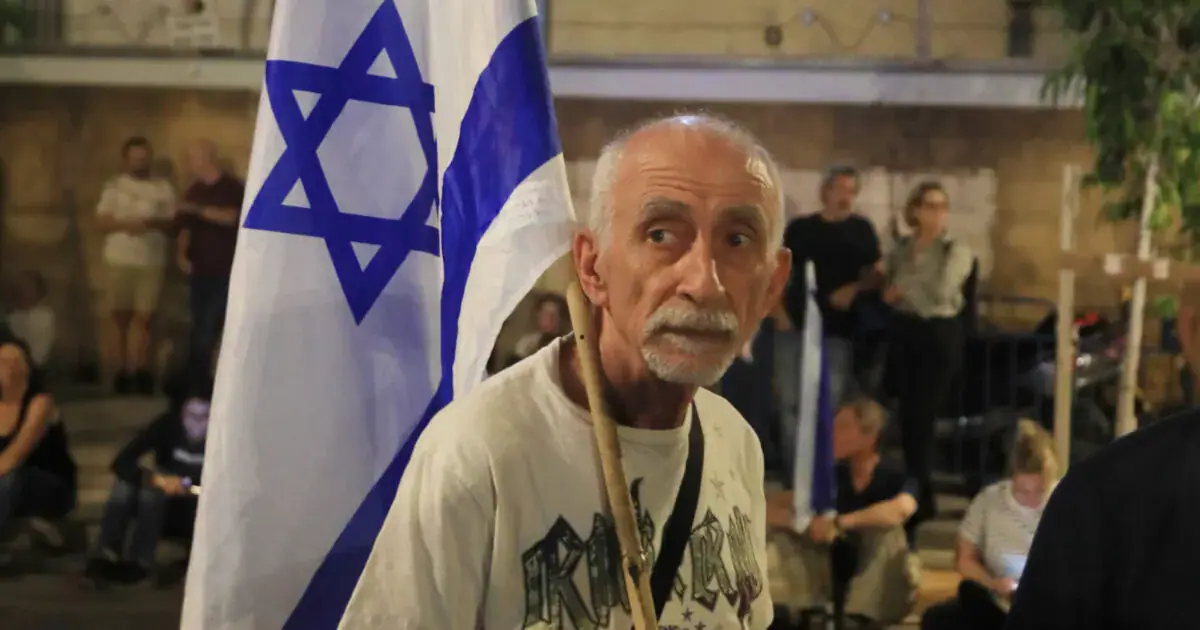
The October 7 Hamas attack that killed approximately 1,200 people and took 251 hostage marked a turning point in the experience of Jews worldwide. Ezra Stone, a writer from Buenos Aires, reflects on how the event changed his social media interactions, with accusations against Jews resurfacing, including claims that Jews control the media and that their suffering is exaggerated. These accusations were not new but were amplified and made more accessible through social media.
A study by the Institute for Strategic Dialogue found a significant spike in antisemitic comments on YouTube videos about the conflict, with a 50-fold increase in the three days following the attack compared to the three days prior. This surge indicates how quickly hatred can spread online. The study measured antisemitism, not criticism of Israel, highlighting the need to distinguish between legitimate criticism and hate speech.
The spread of antisemitic content online is not a new phenomenon, with researchers documenting the proliferation of antisemitic conspiracy theories during the pandemic. Social media platforms have made it easier for such content to spread and harder for users to escape. The role of media outlets like Al Jazeera, funded by Qatar, has also come under scrutiny, particularly after AJ+ Arabic published a video downplaying the Holocaust in 2019.
The influence of foreign funding on educational institutions has raised concerns, with Qatar providing over $1.1 billion in gifts and contracts to American universities in 2025. This significant financial contribution has sparked calls for closer examination of large sources of foreign funding and their potential impact on campus discourse and educational content.
The book "Poisoned Ivies" by congresswoman Elise Stefanik argues that the hostility towards Jews on campuses was years in the making. While not all students who protested can be lumped into the same category, there is recognition that a deliberate and sinister trend had been building over time. University heads have been criticized for their responses, with some justifying calls for the murder of Jews as dependent on context.
The vandalism of posters featuring Israelis kidnapped on October 7 has also highlighted the growing tension. Strangers tore down these posters, which included images of children and elderly people, reflecting a concerning level of hostility. This behavior contrasts with the general outcry that would follow if similar posters of missing pets were torn down.
The impact of this amplified antisemitism is evident in the daily lives of Jews, with 41% of American Jews reporting changes in their online behavior to avoid being identified as Jewish, according to a 2024 Anti-Defamation League survey. The question remains: how much smaller are Jews expected to make themselves? Ezra Stone advocates for the right to mourn without justification and to be open about one's identity without being spokespersons for a government.
Key points
- The October 7 Hamas attack significantly amplified antisemitism, revealing a disturbing trend of online hate speech and societal pressure.
- Social media platforms have made it easier for hate speech to spread and harder for users to escape.
- The influence of foreign funding on educational institutions and media outlets has raised concerns about its impact on campus discourse and educational content.
Reporting sources
- How much smaller are we expected to make ourselves? · Jewish Report