The Palestinian issue has long been a complex and contentious topic, with far-reaching implications for global politics, human rights, and international relations. As the world grapples with the challenges of conflict resolution, a fundamental question persists: how much suffering will it take for the international community to acknowledge Palestine in its entirety, rather than fragmenting it into disparate parts? This is a question that resonates deeply with Palestinians, who have endured decades of displacement, occupation, and hardship.
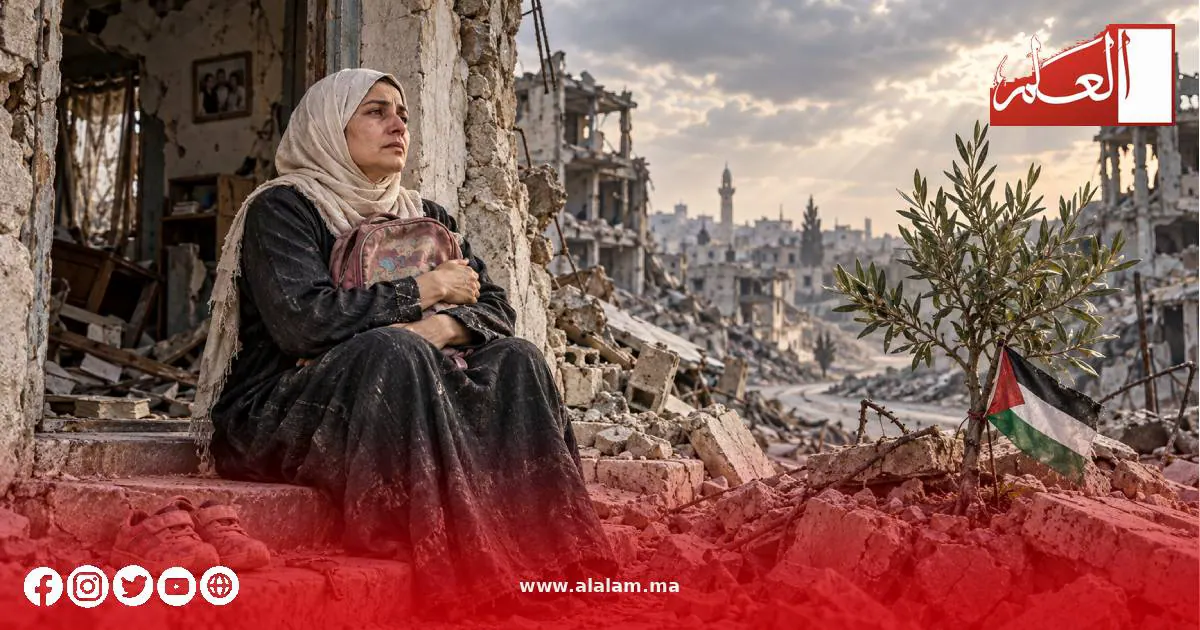
For many Palestinians, the struggle for recognition and statehood is a deeply personal and emotional experience. It is a story of families torn apart, homes destroyed, and lives lost. The pain and trauma of this experience are palpable, and the need for a just and lasting solution is urgent. As one writer poignantly notes, the words and letters used to describe this experience are often inadequate, and the numbers and statistics used to quantify the suffering can be dehumanizing.
The history of Palestine is complex and multifaceted, with roots dating back thousands of years. From the ancient olive trees that dot the landscape to the modern-day cities and towns that are home to millions of people, Palestine is a land with a rich cultural heritage and a deep sense of identity. Yet, for many Palestinians, this identity is inextricably linked to the struggle for statehood and recognition.
The impact of conflict and occupation on Palestinian civilians has been devastating. From the destruction of homes and infrastructure to the loss of life and livelihoods, the human cost of this conflict has been staggering. The stories of individuals and families who have been affected by the conflict are a testament to the enduring power of hope and resilience in the face of adversity.
The role of the international community in addressing the Palestinian issue has been the subject of much debate and discussion. While some argue that the international community has a responsibility to intervene and promote peace and stability, others contend that external involvement has often exacerbated the problem. As the conflict continues, it is clear that a new approach is needed, one that prioritizes the needs and aspirations of the Palestinian people.
For Palestinians, the struggle for recognition and statehood is not just a matter of politics or diplomacy; it is a deeply human issue. It is about the right to live in dignity and security, to access basic services and opportunities, and to build a better future for oneself and one's family. As the world grapples with the challenges of conflict resolution, it is essential that the voices and perspectives of Palestinians are heard and respected.
Ultimately, the Palestinian issue is a test of humanity's commitment to justice, equality, and compassion. It is a reminder that the struggle for peace and recognition is not just a Palestinian issue, but a global one. As we reflect on the agony of a fragmented homeland, we are compelled to ask: how much suffering will it take for the international community to acknowledge Palestine in its entirety, and to work towards a just and lasting solution?
Key points
- The Palestinian struggle for recognition and statehood is a deeply human issue that requires a just and lasting solution.
- The international community has a critical role to play in promoting peace and stability in the region.
- The voices and perspectives of Palestinians must be heard and respected in any efforts to address the conflict.