The Sahel region, comprising Burkina Faso, Mali, and Niger, has been plagued by insecurity and terrorism for over a decade. The crisis has been attributed to various factors, including conflicts between nomadic herders and sedentary farmers, disputes over democratic legitimacy, and power struggles within the military. However, a closer look at the geopolitics of the region reveals that the stakes are much higher, with the involvement of Western powers and international firms seeking to exploit the region's rich natural resources.
The Sahel region is endowed with vast resources, including oil, uranium, manganese, gold, lithium, and cobalt. Western powers, particularly European countries, have a significant interest in maintaining control over these resources. A European head of state reportedly told his ambassadors that "Mali is for us," highlighting the region's strategic importance. The involvement of Western powers has led to the formation of tactical alliances with terrorist groups, which has further complicated the situation.
The crisis in the Sahel has significant implications for the region's development and the global economy. The region's instability has discouraged investment, with many investors hesitant to commit to projects in a conflict-ridden area. The insecurity has also become a factor in the conservation of natural resources, with many areas remaining unexplored and unexploited. Furthermore, the crisis has raised concerns about the long-term sustainability of the European economy, which is facing significant challenges, including an aging population, economic imbalance, and declining competitiveness.
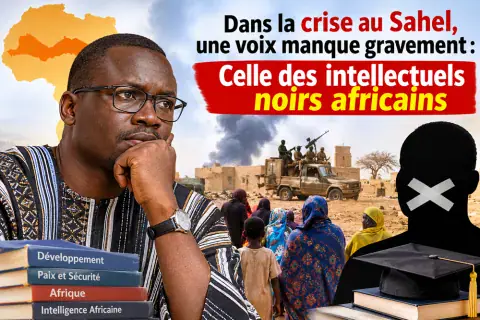
Clément Roger Yaméogo, a Burkinabé demographer-economist, has expressed concern about the absence of African intellectuals' voices in the conversation about the Sahel crisis. He argues that African intellectuals have a critical role to play in shaping the narrative and mobilizing public opinion around the issues affecting the region. With their expertise and knowledge of the region, they can provide valuable insights and contribute to the development of solutions that prioritize African interests.
Yaméogo questions why African intellectuals have remained silent or have been slow to respond to the crisis. He suggests that this silence may be due to ignorance of their role in society, lack of understanding of the economic and geopolitical stakes, fear of being misunderstood, or compromise. He also wonders what ideal of society African intellectuals are pursuing and how they plan to achieve it without engaging in the conversation.
The absence of African intellectuals' voices in the Sahel crisis is particularly striking given the historical context of intellectual engagement in times of crisis. During World War II and the Algerian war of independence, French intellectuals played a significant role in shaping public opinion and mobilizing support for the war effort. Similarly, African intellectuals have a critical role to play in shaping the narrative around the Sahel crisis and contributing to the development of solutions that prioritize African interests.
The Sahel crisis has significant implications for the future of the region and the global economy. The involvement of Western powers and international firms has raised concerns about the exploitation of natural resources and the long-term sustainability of the region. African intellectuals must engage in the conversation and contribute to the development of solutions that prioritize African interests and promote sustainable development.
Key points
- The Sahel region faces a severe crisis, with insecurity and terrorism affecting Burkina Faso, Mali, and Niger.
- African intellectuals' voices are noticeably absent from the conversation about the Sahel crisis, despite their critical role in shaping public opinion and mobilizing support.
- The crisis has significant implications for the region's development and the global economy, with the involvement of Western powers and international firms seeking to exploit the region's natural resources.