Thailand's Constitutional Court has dismissed a petition that challenged the legality of the February 2026 general election. The petition had argued that the ballot papers used in the election compromised voter secrecy due to the inclusion of barcodes and QR codes. The court's decision averts the possibility of an election re-run and is expected to be welcomed by Prime Minister Anutin Charnvirakul's Bhumjaithai Party.
The election, which saw nearly 38 million Thais cast their votes, was won decisively by the Bhumjaithai Party. This victory allowed the party to form a coalition government controlling more than 290 of the 500 seats in parliament. However, the party is currently facing challenges to win public trust amid a stuttering economy and allegations of corruption.
The Constitutional Court's decision had been closely watched in Thailand, where the court has played a significant role in the country's intermittent political turmoil over the past two decades. The court has previously dissolved big parties, voided two general elections, and brought down multiple governments and prime ministers.
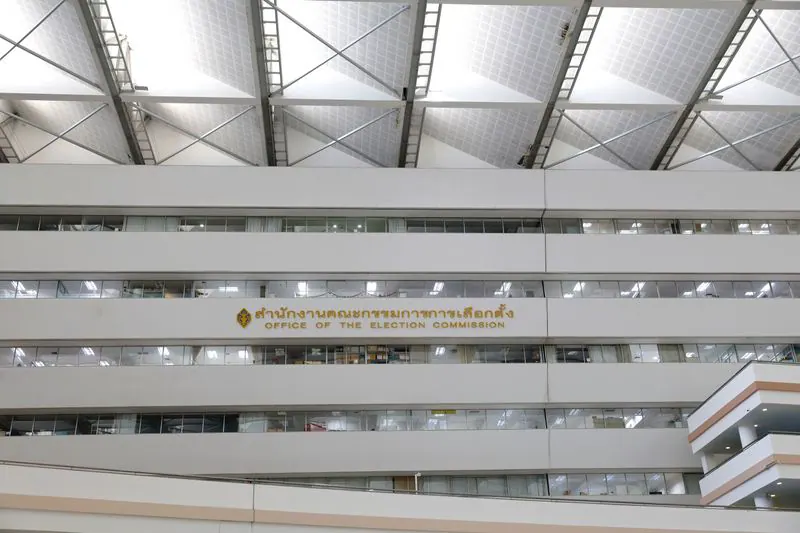
The court case stemmed from a petition filed by the ombudsman, who argued that the barcodes and QR codes on the ballot papers could be used to identify which candidate and party a voter chose. However, the election commission had maintained that the codes were used for security purposes and that identifying a voter would require access to ballot stubs stored separately.
The judges ruled that although the barcodes on some ballots could potentially have been used to identify voters, they were included only for management purposes by election officials, with no intent to trace individual votes. They also found that the arrangements for storing ballots, stubs, and voter lists were "sufficiently safe".
Despite dismissing the petition, the court recommended against using barcodes and QR codes in future elections. This recommendation may be taken into consideration by the election commission in future polls. The court's decision brings an end to a period of uncertainty surrounding the legitimacy of the February election.
The Constitutional Court has a history of making significant rulings that have impacted Thailand's politics. In 2006, the court voided a general election after finding that the arrangement of polling booths compromised ballot secrecy. Similarly, in 2014, the court annulled an election after anti-government protesters blocked some polling stations, preventing nationwide voting on the same day.
Key points
- The Constitutional Court's decision dismisses a petition challenging the legality of the February 2026 general election.
- The petition had argued that barcodes and QR codes on ballot papers compromised voter secrecy.
- The court's ruling allows Prime Minister Anutin Charnvirakul's Bhumjaithai Party to continue governing without the threat of an election re-run.