The growing popularity of Thai beauty brands in Southeast Asia is attributed to their ability to withstand the region's tropical climate. Filipino skincare enthusiast Jan Angelo Ong discovered Thai sunscreens and skin care products on a trip to Bangkok three years ago. He was impressed by their lightweight, matte finishes that stayed on his face under the hot and humid climate. Ong is not alone in his preference, as many consumers in the region are turning to Thai brands for their comfort and longevity.
Thai beauty products are designed to solve practical problems in a tropical climate. According to Laura Tjahjadi, an analyst at Euromonitor International, Thai brands benefit from operating in one of the world's most demanding beauty environments. The year-round heat, humidity, and high UV exposure in Thailand mean products must perform under conditions that are also highly relevant across Southeast Asia. This has encouraged brands to develop products that prioritize comfort and wearability.
The Thai beauty sector achieved record retail sales of approximately $3.2 billion in 2025, marking a 7% increase over the previous year. This growth is driven by a new generation of founders developing products rooted in traditional Thai wellness treatments and engineered for tropical life. Chayadhorn "Ing" Kitiyadisai, founder of INGU Skin, has built a following of over 443,000 people on Instagram by touting Thailand as a testing ground for skin care products.
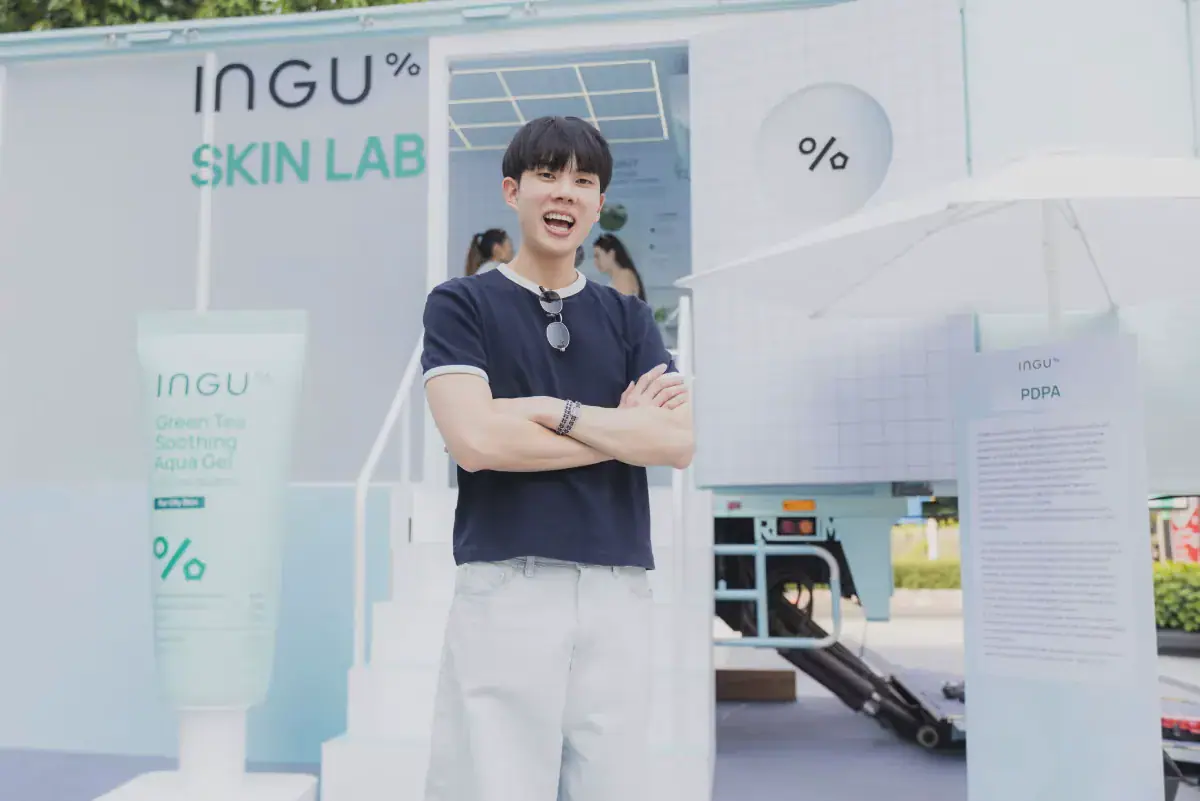
INGU Skin has gained a devoted following through social media and in-person pop-up events. The brand's best-selling products incorporate Thai green tea extract and local black rice. International orders mainly come from Singapore, Malaysia, and the Philippines, while Kitiyadisai regularly receives inquiries from consumers and retailers in the US and UK. INGU Skin has partnered with e-commerce retailer YesStyle, making its products available to 155 countries.
Other Thai beauty brands have drawn from earlier waves of beauty innovation in South Korea and Japan and modified them to create products that better suit Thai people's needs. Nui Waritta Suebphanwong, CEO of MizuMi, began with Japanese formulation technologies for sunscreens when building her brand in 2015. She adapted these technologies to fit Thailand's climate, focusing on texture and UV protection.
Thai beauty brands are luring customers with products at a cheaper price point than their Korean and Japanese counterparts. Suebphanwong notes that while there are good Korean brands, they are often more expensive. Singapore-based content creator Amelia Alexander has seen significant interest in her TikTok videos about Thai beauty products, ranging from sunscreens to hydrating face masks and serums.
The growing popularity of Thai beauty brands is also driven by climate change, which is expanding the potential market for products designed for heat, humidity, and intense sun exposure. As the demand for Thai beauty products continues to grow, brands like INGU Skin and MizuMi are well-positioned to capitalize on this trend. With their focus on comfort, wearability, and affordability, Thai beauty brands are set to become a major player in the Southeast Asian beauty market.
Key points
- Thai beauty brands prioritize comfort and wearability in their products.
- The Thai beauty sector achieved record retail sales of approximately $3.2 billion in 2025.
- Climate change is expanding the potential market for products designed for heat, humidity, and intense sun exposure.