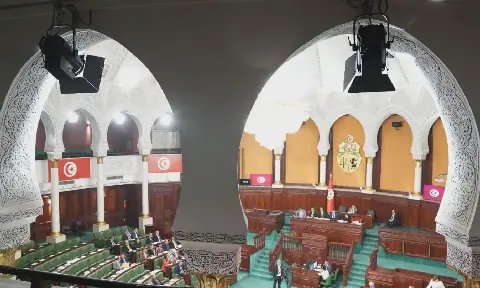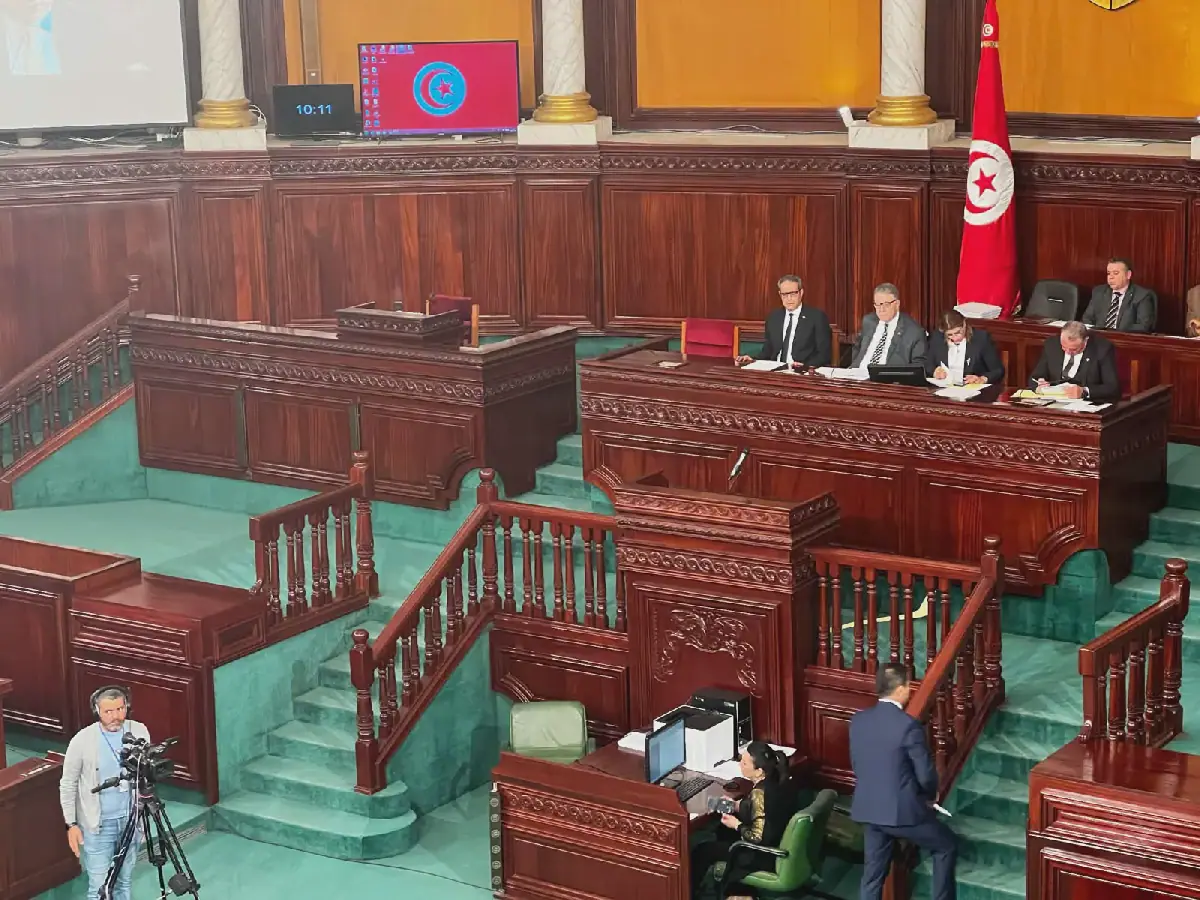
A heated exchange took place at the Assembly of People's Representatives (ARP) in Tunisia, involving Farouk Bouasker, head of the Independent Higher Instance for Elections (ISIE), and several parliamentarians. The tense discussion prompted Brahim Bouderbela, ARP president, to intervene, attempting to calm the situation and steer the debate towards a more constructive tone. The confrontation centered on issues of protocol, election management, and the role of parliamentarians.
Fatma Mseddi, a deputy, explained her reaction to the media, stating she was taken aback by Bouasker's remarks following her intervention. She argued that as jurists, ISIE members should be aware of the rights of parliamentarians, including their ability to criticize constitutional institutions, the government, or other authorities. Mseddi's initial intervention concerned the ISIE delegation's failure to stand at the beginning of the session as a sign of respect for the ARP president and the parliamentary institution.
Mseddi also raised concerns about certain appointments made within the ISIE in 2022, which she believed warranted scrutiny. She questioned the institution's management and operational methods, but described Bouasker's response as particularly "shocking." According to Mseddi, Bouasker alluded to her electoral performance in Sfax Sud, where she secured 6.5% of the vote. However, Mseddi disputed this reference, citing issues with the electronic registration system that affected voter turnout.
The deputy rejected any implication that she feared judicial action, expressing confidence in Tunisia's judicial institutions. Mseddi emphasized that the core issue lies in the manner in which parliamentarians were addressed and what she perceives as a lack of respect for parliamentary sovereignty. She called for respect for institutions and the prerogatives of people's representatives, highlighting the importance of maintaining a constructive dialogue.
The incident underscores the ongoing challenges in maintaining a collaborative relationship between the ISIE and the ARP. The ISIE plays a crucial role in overseeing elections and ensuring their integrity, while the ARP represents the legislative branch of the Tunisian government. Effective communication and mutual respect between these institutions are essential for the smooth functioning of the country's democratic processes.
Mseddi's concerns about the ISIE's appointments and operational methods reflect broader issues of accountability and transparency within the institution. As a key player in Tunisia's electoral process, the ISIE must ensure that its actions are transparent and subject to scrutiny. This incident highlights the need for clear communication and cooperation between the ISIE and the ARP to address concerns and prevent future conflicts.
The confrontation serves as a reminder of the complexities and challenges inherent in Tunisia's democratic transition. The country's progress in consolidating its democratic institutions requires ongoing dialogue and cooperation among various stakeholders, including the government, parliament, and independent institutions like the ISIE. By addressing these challenges and working towards mutual understanding, Tunisia can continue to strengthen its democratic foundations.
Key points
- The incident highlights the need for clear communication and cooperation between the ISIE and the ARP to address concerns and prevent future conflicts.
Reporting sources
- Échanges vifs à l’ARP autour de l’ISIE · L'Économiste maghrébin