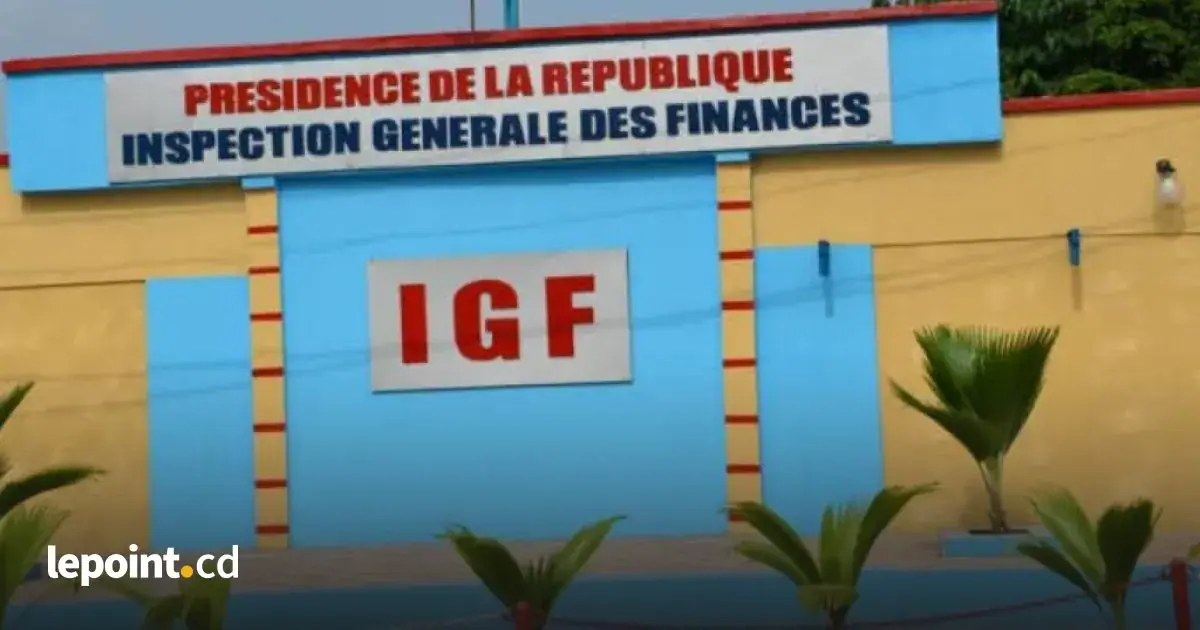
The Inspectorate General of Finance (IGF) in the Democratic Republic of Congo is facing internal turmoil. On November 25, Diderick Boloko Katundu, director of the administrative, financial, and technical service, issued a memo barring administrative agents from attending a meeting of the Syndicate of Financial Inspectors (SIF). The memo cited an ordinance from 1991, but the article referenced does not mention unions or meeting attendance. This move has sparked controversy over the boundaries between inspectors and administrative staff.
The dispute escalated on November 26, when police were deployed around the IGF. According to an inspector cited by Câble.CD, Inspector General Christophe Bitasimwa allegedly instructed staff to block access to certain agents. Although this claim remains unconfirmed, footage shows police vehicles and officers gathered near the IGF. The presence of law enforcement at the institution, whose mission is to enforce regulations, is a significant development that highlights the current state of social tensions.
The SIF has accused the IGF management of various irregularities. According to their investigation, eight out of ten retrocessions were converted at a rate of over 2,470 Congolese francs per dollar, significantly higher than the official rate. The union also claims there is a lack of transparency in operating expenses, with over $30 million managed in ten months without proper justification. Furthermore, the SIF alleges that only five inspectors were assigned to the Haut-Katanga province, a key area for customs fraud, while others received training in Kinshasa.
The SIF has also raised concerns about the composition of the service chief's office, which they claim has over 30 members, some without proper titles or qualifications. Additionally, around 30 agents were allegedly mechanized in March 2026 and are suspected of receiving salaries without having started work. These allegations suggest a possible mismanagement of resources and diversion of exchange rate differences. If confirmed, these findings would indicate a significant departure from the IGF's role in monitoring public spending.
In response to the SIF's allegations, the IGF management has not denied the claims of retrenchment. A representative of the service chief cited "orientations" from the hierarchy, but did not specify who issued these directives. According to the representative, five inspections were eventually authorized, but justification was required for their initiation. The issue of the service chief's office was referred to a joint commission. However, the management's response has not addressed the concerns about exchange rates and has left many questions unanswered.
The controversy surrounding the IGF raises concerns about the institution's credibility and its role in fighting corruption. If the "orientations" came from the presidency, it would suggest selective enforcement of anti-corruption measures. If they originated from an informal network, it would imply a lack of control over the institution. In any case, an oversight body cannot function effectively with anonymous directives and unclear responsibilities. The absence of a clear and transparent response from the IGF management has contributed to the ongoing tensions.
The allegations against the IGF have not been independently verified, and the documents supporting these claims are not publicly available. The position of Inspector General Christophe Bitasimwa remains unclear. The lack of public evidence and transparent investigation has exacerbated the situation, casting doubt on the institution's ability to manage public resources effectively. As the situation unfolds, the credibility of the IGF and its role in promoting good governance in Congo hang in the balance.
Key points
- The dispute at the IGF highlights concerns about the institution's management and its role in fighting corruption in the Democratic Republic of Congo.