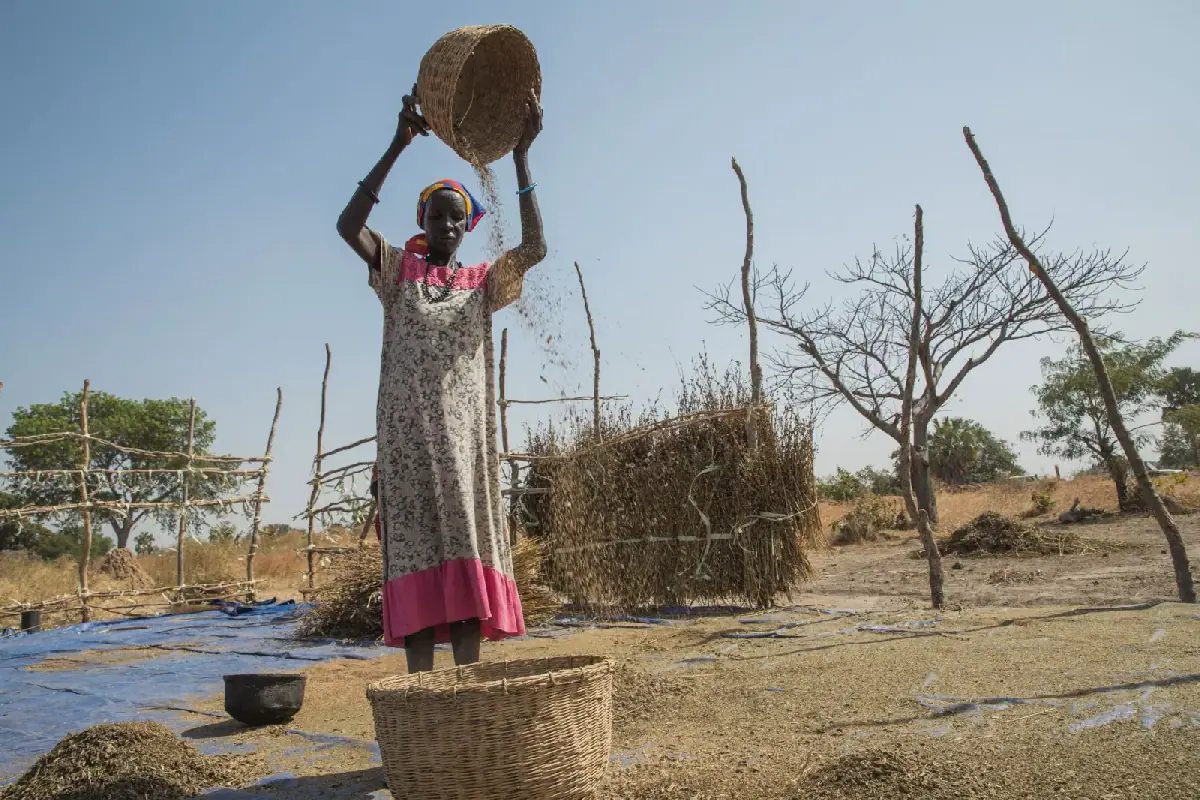
The Food and Agriculture Organization (FAO) and the World Food Programme (WFP) have identified South Sudan as one of the five global hunger hotspots of highest concern. In their latest Hunger Hotspots report, the agencies warned that continuing conflict, declining humanitarian funding, and climate-related threats are increasing the risk of severe food insecurity in the country. The report highlighted that acute food insecurity remains severe in South Sudan, Sudan, Somalia, parts of Nigeria, and Yemen.
The FAO and WFP report identified 16 global hunger hotspots, up from 13 in June, and called for early action to protect vulnerable households, agricultural production, and livelihoods from worsening food insecurity. The agencies noted that conflict and armed violence remain major drivers of hunger in 12 of the 16 hotspots identified globally, including all five areas classified as being of highest concern. In South Sudan, the latest available analysis identified a risk of famine in four counties across Upper Nile and Jonglei states through July 2026 under a worst-case scenario.
The El Niño phenomenon is also driving three of the four newly identified hotspots, including northeastern Uganda, while Chad has been added because of the continuing spillover effects of the conflict in neighboring Sudan. Although South Sudan was not among the newly identified El Niño-related hotspots, the agencies warned that the climate phenomenon threatens crops and harvests in vulnerable regions, adding to existing pressures on food security. FAO Director-General QU Dongyu emphasized the need for life-saving agricultural assistance to boost food production of highly vulnerable families.
The report revealed that humanitarian funding for food security and nutrition assistance across the five highest-concern hotspots fell by 62 percent, from $5.1 billion in 2022 to $2 billion in 2025. The five hotspots have repeatedly remained at the highest level of concern since 2022, raising concerns over the capacity of humanitarian agencies to respond to persistent food insecurity. FAO and WFP called for urgent humanitarian action, particularly in areas facing famine risks, and urged safe and unimpeded access to vulnerable communities.
WFP Executive Director Luke J. Lindberg called for stronger international efforts to end conflicts, adequately fund humanitarian operations, and ensure aid workers can reach people in need. He emphasized that it will take a united effort to end conflicts, fully resource WFP field teams, and ensure they have safe access to reach vulnerable communities. The agencies warned that people in several of the affected hotspots face Catastrophe-level food insecurity, the most severe phase of the Integrated Food Security Phase Classification (IPC), marked by starvation and death.
In Sudan, the report identified a risk of famine in 13 areas of North Darfur and South Kordofan through January 2027 under a reasonable worst-case scenario. It also said acute malnutrition levels in two displacement camps in South Darfur have already exceeded famine thresholds. South Sudan and Sudan face some of the most severe situations among the countries assessed, according to the report. The FAO and WFP emphasized the need for urgent action to address the severe food insecurity in these countries.
The FAO and WFP reports highlight the need for sustained international support to address the root causes of food insecurity in these regions. The agencies urged governments, donors, and humanitarian organizations to work together to provide emergency assistance, support agricultural production, and promote long-term solutions to food insecurity. Key points include:
Key points
- FAO and WFP identify South Sudan as one of five global hunger hotspots
- El Niño threatens crops and harvests in vulnerable regions, adding to existing pressures on food security
- Humanitarian funding for food security and nutrition assistance fell by 62 percent between 2022 and 2025
Reporting sources
- FAO, WFP place South Sudan among five global hunger hotspots · sudanspost.com