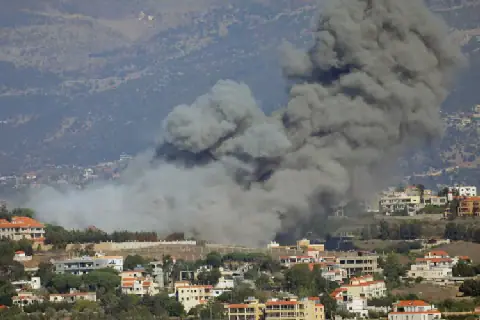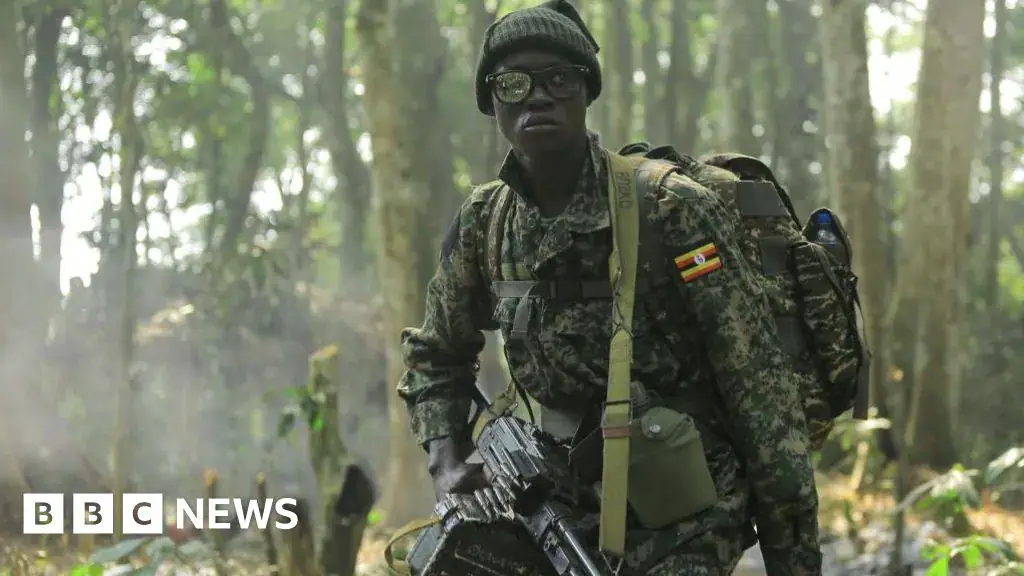
Uganda has announced plans to withdraw its troops from Lubero, a town in eastern Democratic Republic of Congo, within two weeks. The Ugandan army stated that the troops would hand over security to Congolese forces after nearly two years of military operations. This decision comes as diplomatic tensions escalate between Uganda and DR Congo. The withdrawal applies only to Lubero town and does not affect the joint military campaign, Operation Shujaa, which will continue elsewhere in DR Congo.
The Ugandan military did not provide a reason for the withdrawal or clarify whether it is linked to the diplomatic row. The announcement comes days after DR Congo summoned Uganda's top diplomat in Kinshasa over controversial social media posts by Uganda's military chief, Gen Muhoozi Kainerugaba. Gen Kainerugaba, the son of President Yoweri Museveni, had made comments that were deemed unacceptable by the Congolese government. The Ugandan military spokesperson, Col Chris Magezi, stated that the joint military campaign would continue.
The Uganda People's Defence Forces (UPDF) were deployed to Lubero to pursue fighters from the Allied Democratic Forces (ADF) Islamist group. The ADF, which originated in Uganda in the 1990s, is affiliated to the Islamic State and has been blamed for numerous deadly attacks on civilians in both countries. Uganda first deployed troops to eastern DR Congo under the current joint military campaign in November 2021, following a series of bomb attacks in the Ugandan capital, Kampala.
Despite a significant decline in ADF activities in Uganda, the group remains DR Congo's deadliest armed group, according to the conflict monitoring organisation Armed Conflict Location & Event Data (Acled). Acled's DR Congo analyst, John Ngono, stated that the group was killing an average of four civilians a day and had expanded into previously unaffected parts of eastern DR Congo. The findings suggest that Operation Shujaa may have improved security in Uganda while shifting the geographical impact of violence within DR Congo.
The planned withdrawal comes amid strained relations between Uganda and DR Congo, despite years of close military co-operation. Gen Kainerugaba's comments, which appeared to endorse a rebel takeover of Walikale, a mineral-rich territory in eastern DR Congo, were described as "particularly serious" by the Congolese foreign ministry. The ministry demanded that Uganda clarify its official position and take steps to prevent similar incidents.
Gen Kainerugaba defended Uganda's military presence in eastern DR Congo, insisting it was driven by security concerns. The planned withdrawal comes amid renewed fighting between Congolese forces and rebels in the wider Lubero territory, raising fresh concerns about the safety of civilians. Eastern DR Congo has endured decades of conflict involving dozens of armed groups, with millions of people forced to flee their homes.
The ADF has not carried out an attack in Uganda since June 2025, but its growing interest in mineral resources in DR Congo could help finance its operations and sustain its ability to threaten both countries. Acled says the group's activities have shifted, with a growing focus on mineral resources in DR Congo. The situation remains volatile, with ongoing concerns about the safety of civilians in the region.
Key points
- Uganda to withdraw troops from Lubero, DR Congo, within two weeks amid diplomatic row.
- The ADF remains DR Congo's deadliest armed group despite a decline in activities in Uganda.
- The situation in eastern DR Congo remains volatile, with ongoing concerns about civilian safety.
Reporting sources
- Uganda to withdraw troops from DR Congo town amid diplomatic row · BBC News Africa