A recent surge in tensions between armed groups in Libya's capital, Tripoli, has raised concerns about the country's security situation. The clashes come as the Government of National Unity, led by Prime Minister Abdul Hamid al-Dbeibah, attempts to implement new security arrangements in the city. These efforts aim to reduce the influence of various armed groups and establish a more stable security environment.
The security situation in Tripoli has been a challenge for the Government of National Unity since it took power. Despite efforts to assert control, the city remains plagued by violence and instability. The government has faced resistance from various armed groups, including those from the city of Misrata, which have significant influence in the capital.
The spokesperson for the "Voice of the People" party, Abdul Salam al-Quritli, has commented on the current security situation in Tripoli. He reviewed the developments in the capital since the Government of National Unity took office and discussed the challenges of implementing new security arrangements. Al-Quritli denied that there is currently any tension in the capital.
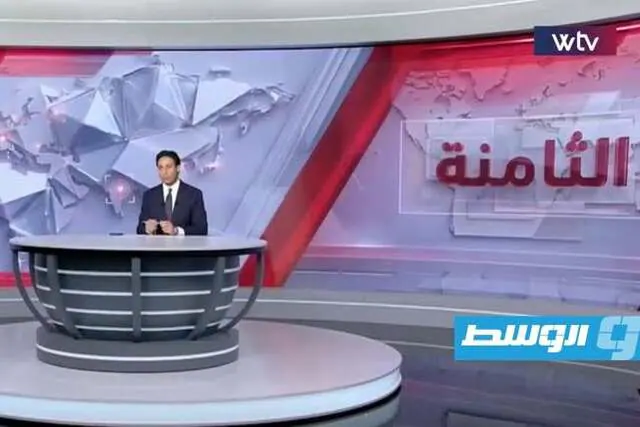
The "Eighth Bulletin," a daily news program broadcast on Al-Wasat TV, has been covering the security situation in Tripoli. The program, which airs at 8 pm local time, provides updates on the city's security situation and the government's efforts to restore order. Al-Wasat TV is available on various frequencies, including 11096 and 10815.
The clashes in Tripoli have raised concerns about the potential for further instability in the country. Libya has struggled with security challenges since the fall of Muammar Gaddafi's regime in 2011. The country's security situation remains fragile, and the government's efforts to restore order have been met with resistance from various armed groups.
The international community has been closely watching the developments in Libya. The country's stability is crucial for the region, and the international community has been urging Libyan leaders to work towards a peaceful resolution. The United Nations has been involved in efforts to support Libya's transition to stability and democracy.
The security situation in Tripoli remains a major challenge for the Government of National Unity. The government's efforts to implement new security arrangements and reduce the influence of armed groups are crucial to restoring stability to the city. The international community will be watching closely to see how the situation develops in the coming weeks and months.
Key points
- The clashes in Tripoli are testing the government's plans to restore security and order in the city.
- The security situation in Libya remains fragile, and the international community is closely watching developments.
- The Government of National Unity faces significant challenges in its efforts to assert control over the security situation in Tripoli.