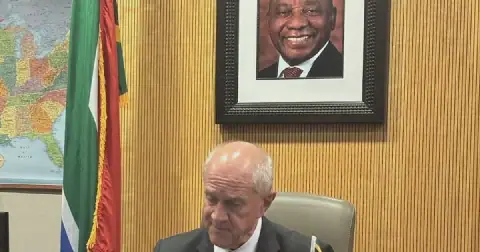
The conflict between Iran and the United States has taken a new turn, with Iran's Secretary of the Supreme National Security Council, Mohsen Rezaei, challenging the US to deploy ground troops. Rezaei's comments came in an interview with Al Jazeera on September 21, 2026, where he questioned the US military's strategy of only conducting airstrikes. Rezaei asked, "Why don't the airborne divisions come? Why don't the American ground forces enter Iran?" This challenge comes as the conflict, which began on February 28, 2026, shows no signs of abating.
Rezaei criticized the US military for limiting its engagement to airstrikes, saying they "bomb from the sky and then leave." He claimed that the Iranian military has revised its doctrine in response to US airstrikes and is now better equipped to respond. Rezaei warned that any new US offensive would be met with a stronger Iranian response targeting US bases and interests in the region. This development has raised concerns about the potential for escalation in the conflict.
The conflict began with joint US and Israeli strikes against Iran on February 28, 2026. A protocol agreement signed in June 2026 aimed to de-escalate tensions but expired last month without being renewed. Since then, tensions have focused on the Strait of Hormuz, which Iran has kept closed, while the US has maintained a blockade on Iranian ports in the south. The situation has led to increased global oil prices, with Brent crude rising above $100 per barrel for the first time since July.
Rezaei's comments also come as Iran engages in diplomatic efforts to resolve the conflict. He stated that Tehran has transmitted its conditions for ending the conflict to the US through Qatari mediators. Iran's three main demands are an end to hostilities on all fronts, the unfreezing of Iranian funds, and the lifting of the US naval blockade. Rezaei said Iran is awaiting a response from US President Donald Trump.
The conflict has also drawn in other regional players, including Pakistan, which is participating in consultations with US authorities. The situation remains volatile, with concerns about the potential for further escalation. The global community is closely watching developments in the region, given the potential impact on global oil supplies and regional stability.
Rezaei took over as Secretary of the Supreme National Security Council in early August 2026, succeeding Mohammad Bagher Zolghadr. His comments reflect a more assertive stance by Iran in response to US military actions. The situation remains fluid, with both sides engaging in a war of words and diplomatic efforts to resolve the conflict.
The ongoing conflict has already had significant economic impacts, including a surge in diesel prices in the US. The situation is being closely monitored by global markets, with concerns about the potential for further disruptions to oil supplies. The international community is urging restraint and a return to diplomatic efforts to resolve the conflict.
Key points
- Iran challenges US to deploy ground troops amid ongoing conflict
- Iran demands end to hostilities, unfreezing of funds, and lifting of US naval blockade
- Conflict has led to increased global oil prices and economic disruption