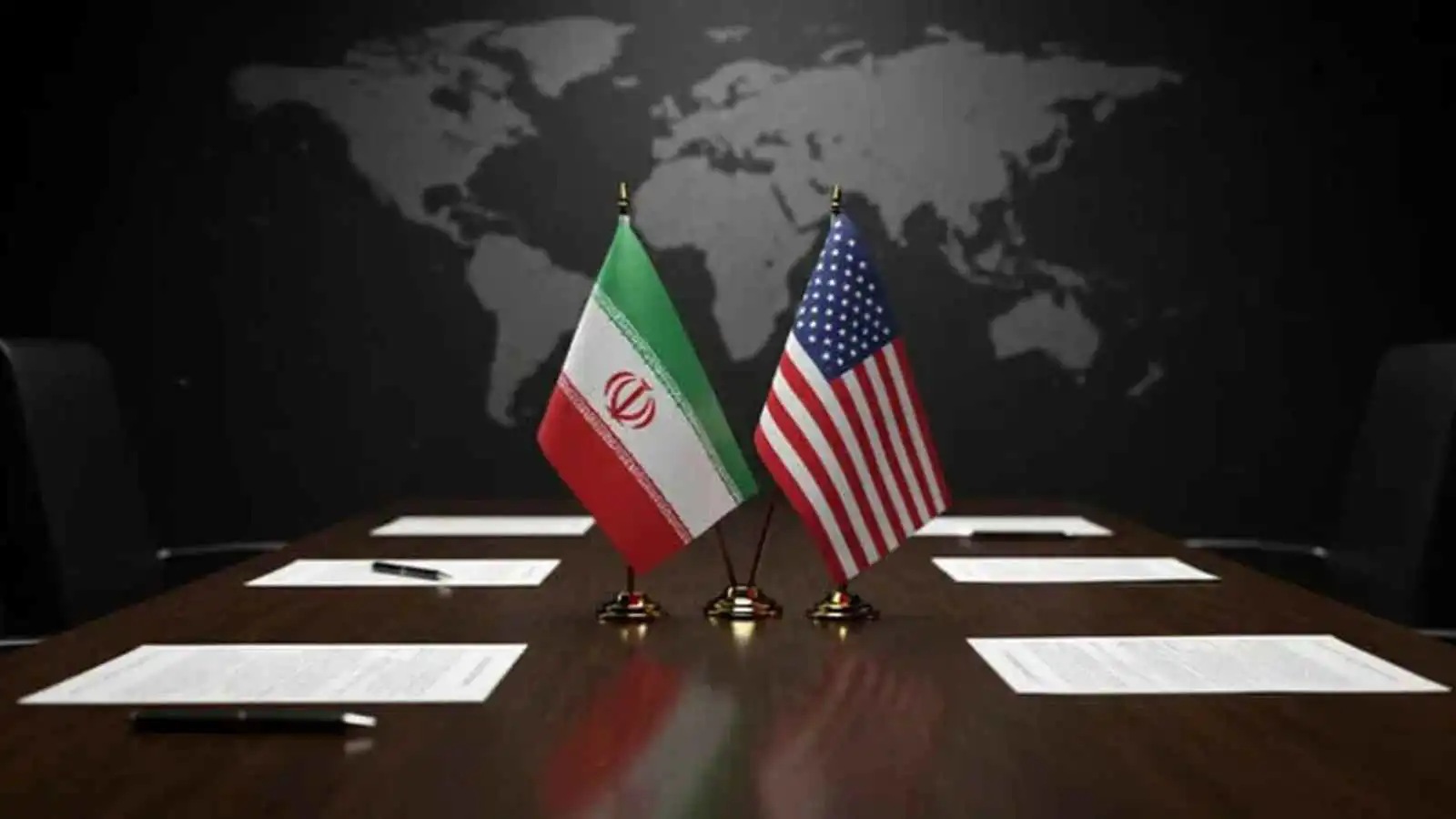
The tensions between the United States and Iran show no signs of easing, as diplomatic efforts to bridge the gap between the two nations continue. Despite 103 days having passed since a memorandum of understanding was signed, its terms have not been fully implemented. The UN General Assembly in New York has provided an opportunity for intense diplomatic meetings, with the situation in the Middle East and its impact on global oil markets remaining a pressing concern.
Iranian officials have stated that no new negotiations with the US are currently planned. According to a source close to the Iranian delegation at the UN, the country's stance and positions were clearly conveyed to the US side through a Qatari mediator on Tuesday. The Iranian delegation, led by President Hassan Rouhani, will return to Tehran on Tuesday. This development comes after US President Donald Trump expressed expectations of renewed talks with Iran, potentially as early as the following week.
Trump has indicated that Iran is interested in reaching an agreement but not on the terms he desires. The US and Iranian officials have engaged in indirect negotiations, facilitated by Qatari mediators, on the sidelines of the UN General Assembly. US envoys Steve Wytkof and Jared Kushner met with Iranian Foreign Minister Abbas Araghchi to discuss potential ways forward. The two sides have significant differences, with Iran insisting on the lifting of sanctions and access to frozen assets.
Araghchi stated that Iran is willing to reopen the Strait of Hormuz if the US takes specific steps, including the release of frozen Iranian funds and assets, and the lifting of sanctions. He emphasized that these demands are not new and have been part of previous agreements. In response to a question about the possibility of a peace agreement through negotiations, Araghchi affirmed Iran's willingness to engage in talks but also to confront any challenges posed by the US.
US Ambassador to the UN Mike Walters noted that Iran's preconditions, including the lifting of sanctions and access to frozen assets, were the reason behind the US rejection of Iran's proposal to reopen the Strait of Hormuz. Walters stated that the Iranian side was requesting everything upfront, conditioning their participation in negotiations on the fulfillment of their demands. The stalemate has resulted in continued tensions, with concerns about the potential for escalation in the Middle East.
Despite the impasse, Qatari mediators continue to engage with both sides to find common ground and explore possible adjustments to the Iranian proposal. The aim is to prevent further escalation and create an environment conducive to resolving the Iranian nuclear issue. The situation remains fluid, with both sides maintaining their positions and no clear breakthrough in sight.
The ongoing tensions between the US and Iran have significant implications for regional and global stability. The two nations have been at odds since the US withdrew from the Joint Comprehensive Plan of Action (JCPOA) in 2018. The current diplomatic efforts, though stalled, demonstrate a continued desire to find a peaceful resolution to the conflict. The international community remains engaged, with various actors working to facilitate a dialogue between the US and Iran.
Key points
- The US and Iran have significant differences, with Iran insisting on the lifting of sanctions and access to frozen assets.
- Qatari mediators continue to engage with both sides to find common ground and explore possible adjustments to the Iranian proposal.
- The ongoing tensions between the US and Iran have significant implications for regional and global stability.