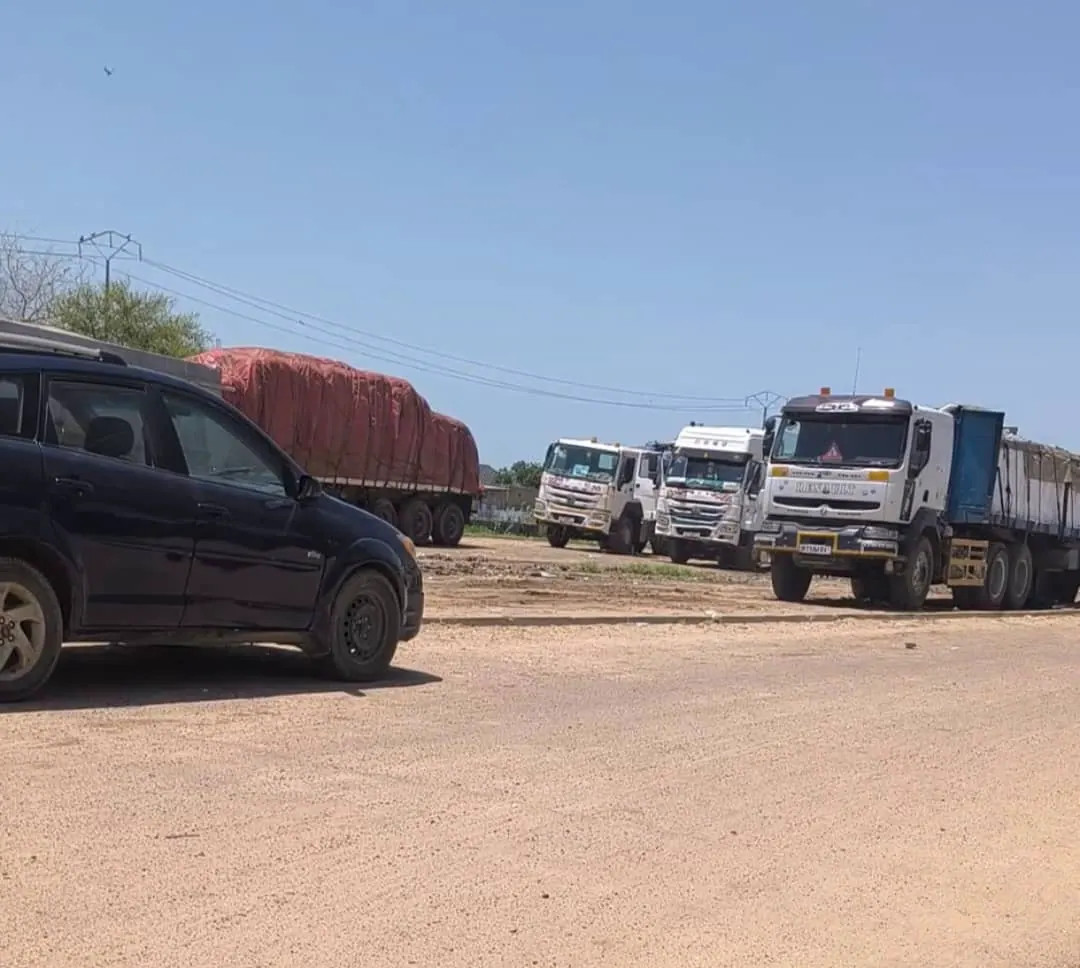
A prolonged dispute has been resolved between fruit transporters, customs agents, and traders at the Chad-Cameroon border. For several weeks, transporters had halted their activities, resulting in a shortage of avocats in N'Djamena. The city's markets are now fully stocked, with customers flocking to purchase the fruit. The standoff began when customs agents allegedly demanded excessive sums of money from transporters.
According to Abakar Kadir, a wholesale trader, the shortage was caused by a misunderstanding between customs agents, transporters, and traders. The transportation of goods begins in Bafoussam, in western Cameroon. Upon arriving at the Chad-Cameroon border in Touboro, traders pay 575,000 CFA francs per vehicle to customs agents, despite no official fees being required for perishable goods. This has led to tensions between the parties involved.
Further controls are conducted along the route from Moundou to N'Djamena, with multiple customs posts demanding additional payments. Transporters are required to pay 7,500 CFA francs at Moundou-Kalgoua, 2,500 CFA francs at Kalgoua to Mandelia, 2,500 CFA francs at Mandelia to Eténa, and 2,500 CFA francs at Eténa to Toukra. Those who refuse to pay may face physical assault and vehicle immobilization.
Khalil Breme Doungous, secretary-general of the Chadian National Road Transporters' Union, claims that the issue of road harassment has been resolved after the union took the matter to the head of mobile customs. However, he highlights another pressing problem: the short deadlines imposed by traders, which often lead to conflicts. Transporters are given three days to transport avocats over 2,000 kilometers, five days for bananas, and six days for potatoes.
These deadlines are deemed insufficient, and transporters are often held responsible when fruits arrive spoiled. In one instance, a transporter was sequestered in a container for two hours and then taken to a police station after a trader demanded the return of spoiled potatoes. This incident reignited tensions, prompting a two-week strike by transporters.
The union has proposed two solutions to traders: unloading goods at Kousséri or Toubouro and then hiring Chadian transporters to complete the journey to N'Djamena. However, traders consider these options too costly, involving double expenses. Discussions are ongoing to find a definitive solution to the issue.
The situation has now returned to normal, with avocats once again being sold in N'Djamena's markets. Customers are taking advantage of the restocked markets, and traders are hopeful that a lasting resolution will be found to prevent future disputes.
Key points
- The dispute was caused by customs agents demanding excessive sums of money from transporters.
- The union has proposed solutions to traders to resolve the issue, including unloading goods at Kousséri or Toubouro.
- The situation has returned to normal, with avocats being sold in N'Djamena's markets.