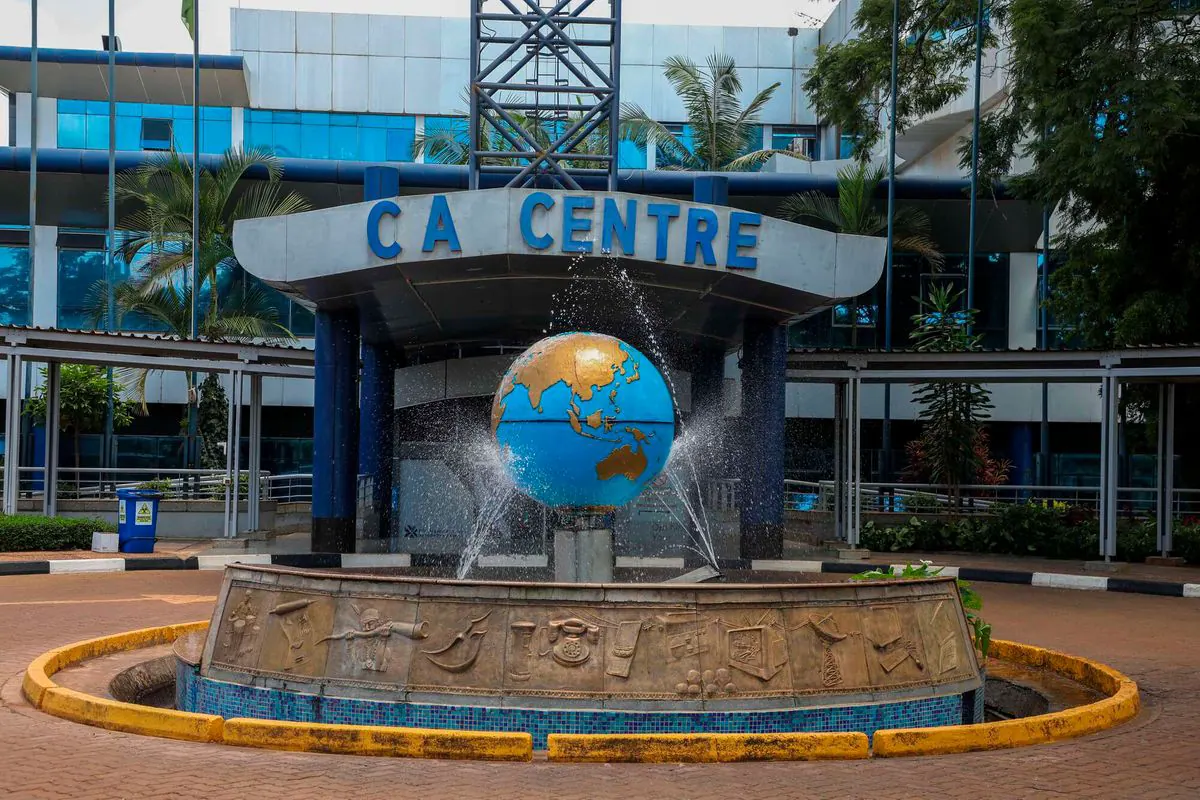
Kenya's telecommunications industry has seen a significant rebound in employment, with mobile network operators increasing their workforce by 46 percent to 11,660 in the year to June 2026. This growth reverses the previous year's decline, driven by expanding demand for digital services. The Communications Authority of Kenya reported that employment by telco firms rose from 7,988 recorded at the end of June 2025, adding 3,672 positions across the sector during the reporting period.
The sharp job growth is a reversal from last year, when the industry's workforce fell 0.34 percent despite growth in subscriptions and service revenues. The Communications Authority of Kenya stated that as of June 30, 2026, the number of persons employed by MNOs stood at 11,660, up from 7,988 reported in the previous year, with a male-to-female ratio of 56:44. The regulator's report did not identify specific companies, departments, or activities responsible for the additional jobs.
The increase in headcount coincides with continued investment in mobile data, digital financial services, and network infrastructure, which have expanded the range of services offered by operators. Kenya's active mobile subscriptions rose 4.6 percent to 88 million in the year to June, driven by customer win-back campaigns by operators. Safaricom's user base rose to 61.4 million, while Airtel's stood at 23.6 million as of June.
Mobile data consumption has also continued to increase, with broadband usage reaching 933.9 million gigabytes during the quarter to June, a 50.6 percent rise from a similar quarter last year. The shift towards data-intensive services is increasing demand for network management, customer support, and enterprise connectivity, raising the need for additional workforce for the operators.
Despite the increase in jobs, operators face pressure to improve the efficiency of their networks as data consumption rises and competition intensifies across voice, internet, and financial services. The Communications Authority of Kenya reported that total domestic mobile voice traffic increased 13.6 percent to 126.7 billion minutes during the year under review, up from the 111.6 billion minutes recorded in the prior financial year.
Mobile money subscriptions also grew 13.2 percent during the year to reach 54.0 million as of June 30, 2026, translating to a penetration rate of 101.3 percent. These developments have created demand for technical skills in areas such as network operations, cybersecurity, software development, data management, and digital product support.
The growth of 4G and 5G networks is changing the technical requirements of telecommunications businesses, as operators manage higher traffic volumes and expand services for consumers and enterprises. The government has continued to promote digital inclusion through initiatives targeting internet connectivity, digital skills, and access to online services, potentially increasing demand for technology-related workers.
Key points
- Kenya's mobile network operators increased workforce by 46% to 11,660 in the year to June 2026.
- Mobile data consumption rose 50.6% to 933.9 million gigabytes during the quarter to June.
- Mobile money subscriptions grew 13.2% to 54.0 million as of June 30, 2026.