The wellness technology landscape is undergoing a significant transformation in Kenya, as consumers increasingly seek connected tools that provide a comprehensive understanding of their daily routines. This shift is driven by the growing demand for devices that can track workouts, monitor sleep patterns, and offer insights into relaxation and recovery. As a result, technology companies are moving beyond individual devices serving a single purpose and instead, are introducing ecosystems that integrate smartphones, wearables, earbuds, and smart TVs.
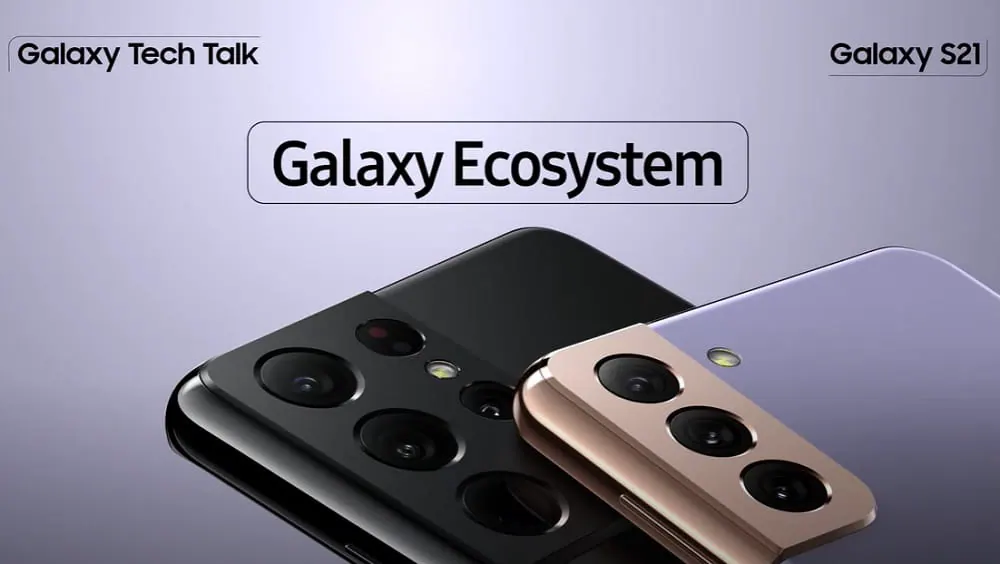
Samsung is at the forefront of this movement, leveraging its connected Galaxy ecosystem to support various aspects of everyday wellness. The Galaxy Watch, for instance, enables users to track workouts and daily activity, while the Galaxy smartphone serves as a central hub, bringing together information and experiences throughout the day. By combining activity and sleep-related information, connected devices can provide users with a broader view of their routines, helping them make informed decisions about exercise, recovery, and rest.
The Galaxy ecosystem is designed to extend beyond workouts, incorporating devices such as Galaxy Buds and Samsung TVs to support different stages of everyday life. Galaxy Buds accompany users during active and quiet moments, including listening to music and podcasts, while Samsung TVs facilitate home workouts, entertainment, and relaxation. The smartphone acts as a central connection point between these experiences, allowing users to seamlessly transition between different activities.
This ecosystem approach has significant implications for technology companies, as it creates opportunities to increase the usefulness of individual devices while encouraging consumers to remain within a connected product environment. It also reflects changing consumer expectations, with users seeking products that can integrate naturally into their existing routines. In wellness, this could mean a wearable tracking activity, a smartphone providing health and lifestyle information, earbuds supporting focus or relaxation, and a smart TV becoming part of both fitness and entertainment at home.
The growth of connected wellness in Kenya points to a broader trend in consumer technology: the shift from standalone hardware to ecosystems. For manufacturers, connecting multiple products can create a more integrated user experience while giving consumers more reasons to use different devices together. This trend is expected to change how consumers evaluate wellness technology, with users increasingly considering how well a device fits into their wider routine.
Kenyan consumers will have the opportunity to experience Samsung's connected approach at the Samsung Connected Living Experience at Sarit Mall from October 4 to October 6, 2026. The wellness-focused experience will demonstrate how Samsung's connected devices can support different stages of everyday life, including movement, fitness, recovery, and evening routines. This event comes as technology companies increasingly position their products not simply as individual devices, but as components of broader digital ecosystems.
For consumers, the appeal of connected wellness is convenience and continuity, while for technology companies, the ecosystem model represents a significant business opportunity. By providing a more integrated user experience, manufacturers can increase customer loyalty and drive growth in the wellness technology market. As the market continues to evolve, it is likely that connected wellness will become an increasingly important aspect of consumer technology in Kenya and beyond.
Key points
- Samsung introduces connected wellness experience in Kenya, showcasing devices that work together to support movement, recovery, and relaxation.
- The growth of connected wellness points to a broader trend in consumer technology: the shift from standalone hardware to ecosystems.
- Kenyan consumers can experience Samsung's connected approach at the Samsung Connected Living Experience at Sarit Mall from October 4 to October 6, 2026.