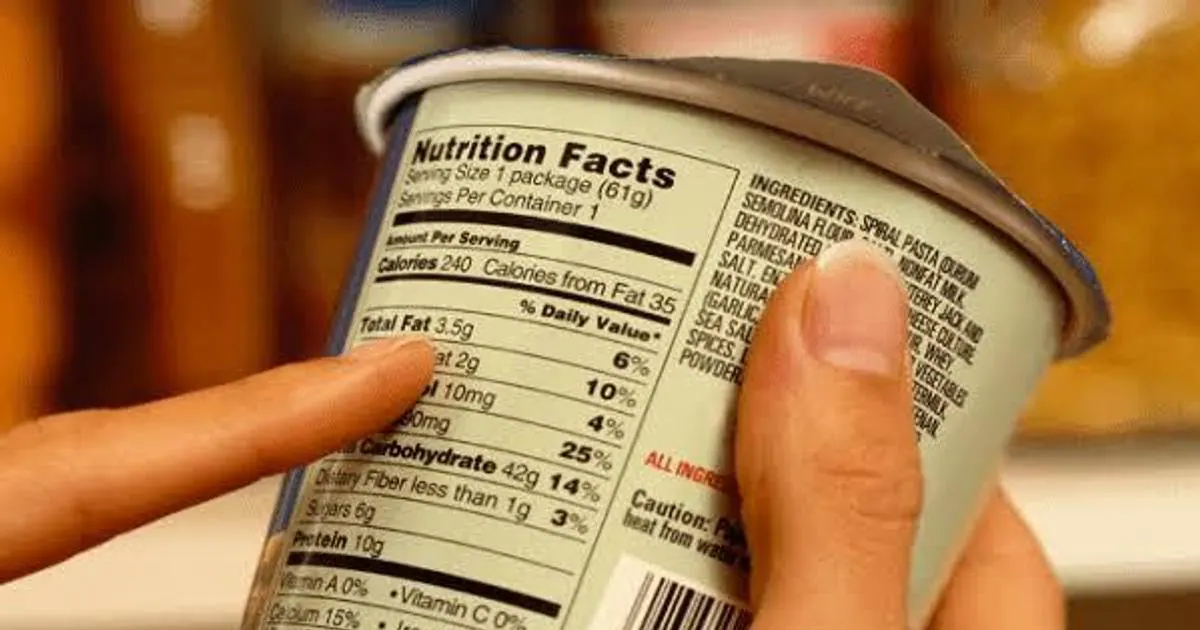
Ghana's Food-Based Dietary Guidelines recommend that consumers read labels on pre-packaged foods before purchasing and consuming them. This practice allows individuals to make informed choices about their diet and health. The guidelines highlight the importance of understanding ingredients, serving sizes, and front-of-pack warnings. By following these guidelines, consumers can better manage their intake of nutrients such as sugar, salt, and fat.
Front-of-pack labelling is designed to make important nutritional information easier to notice and understand. The World Health Organisation describes front-of-pack labelling as supplementary nutrition information intended to help consumers understand the nutritional properties of food. In Ghana, health stakeholders are campaigning for mandatory front-of-pack warning labels on packaged foods containing high levels of nutrients such as sugar, salt, and saturated fats. This campaign, launched in September 2026, is supported by the Ministry of Health and the Food and Drugs Authority.
When shopping for packaged food, it is easy to focus on the brand, price, attractive packaging, or claims such as "natural", "high protein", or "low fat". However, there is important information on the package that can tell you more about what you are actually buying. Food labels provide information about a product's ingredients, nutritional content, quantity, dates, and instructions for storage or use. Consumers should look beyond the front of the pack and check ingredients, serving size, nutrition information, and dates.
The ingredients list on a food label can tell you what is actually in the product. Ghana's FDA requires pre-packaged food labels to include an ingredients list, among other information. By examining the ingredients listed on the package, consumers can make informed decisions about their diet. Additionally, consumers should pay attention to nutrients such as sugar, fat, saturated fat, and sodium/salt, particularly if they are trying to manage their intake of these nutrients.
Reading food labels does not have to become a complicated exercise. Before putting a packaged food into your shopping basket, pause and check the label. Look at the ingredients, serving size, nutritional information, and date, and pay attention to any warning or nutrition information displayed prominently on the package. The goal is not to make every food purchase stressful but to ensure that consumers have the information they need to make informed choices.
As Ghana considers stronger front-of-pack warning labelling, developing the habit of reading food labels can help consumers better understand what they are buying. This practice can also help consumers avoid being misled by attractive packaging or health-related claims. By making label reading part of their shopping routine, consumers can take control of their health and make informed decisions about their diet.
Key to making informed food choices is understanding the information provided on food labels. Consumers should check the date, serving size, and nutrition information on the label. By doing so, they can ensure that they are making healthy choices for themselves and their families.
Key points
- Ghana's dietary guidelines encourage consumers to read labels on packaged foods to make informed purchasing decisions.
- Front-of-pack labelling is designed to make important nutritional information easier to notice and understand.
- Reading food labels can help consumers avoid being misled by attractive packaging or health-related claims.