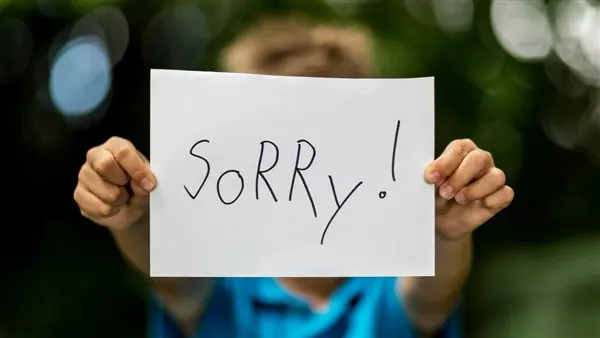
Teaching children to apologize is an essential skill that helps them build healthy relationships with others and understand the impact of their actions and emotions on those around them. According to Dr. Abla Ibrahim, a professor of education and family relations expert, the goal of teaching apologies is not to force children to say "sorry" out of fear of punishment, but rather to help them understand what happened, acknowledge the other person's feelings, and try to fix the situation in a way suitable for their age.
Dr. Ibrahim emphasizes that there is a significant difference between teaching children to take responsibility for their mistakes and making them feel like they are bad children just because they made a mistake. Parents should explain to their children that apologizing is not a sign of weakness or defeat, but rather a way to show respect and care for others' feelings. Using everyday situations, such as taking a toy from a sibling without permission, can help illustrate this concept.
It's essential to differentiate between the child's mistake and their identity. Instead of saying "you are a bad child," parents should say "that was a wrong thing to do." This subtle difference helps maintain the child's positive self-image and makes them more willing to acknowledge their mistakes and apologize. Children need to understand that making mistakes does not mean they are bad, and they can always learn and change their behavior.
Forcing children to apologize immediately may not be effective, especially if they are upset, shy, or anxious. Instead, parents should give them time to calm down and then discuss the situation with them in a calm and non-judgmental manner. This approach helps children understand the impact of their actions and take responsibility for their mistakes without feeling pressured or threatened.
Teaching children to understand the feelings of others is crucial in developing empathy and apologizing sincerely. Parents can ask their children simple questions, such as "how do you think the other person felt?" or "what can you do to make it right?" This helps children develop a connection between their actions and the emotions of others, making them more likely to apologize genuinely.
Apologizing is not just about saying "sorry"; it's also about making amends. Parents can encourage their children to think about ways to fix the situation, such as helping to repair a broken toy or being kind to someone they hurt. By doing so, children learn that taking responsibility means acknowledging their mistakes and trying to make things right, not just saying a few words to please others.
Children learn from their parents' behavior, so it's essential to model apologizing and taking responsibility for one's actions. When parents make mistakes, they should apologize to their children and show them that everyone makes mistakes and can learn from them. By doing so, parents can teach their children that apologizing is a natural part of relationships and not a sign of weakness.
Key points
- Teaching children to apologize without feeling guilty or ashamed requires a thoughtful and empathetic approach from parents.
- Parents should focus on developing their child's sense of responsibility and empathy rather than forcing them to apologize.
- By modeling healthy behavior and providing guidance, parents can help their children develop essential social skills, including apologizing and making amends.