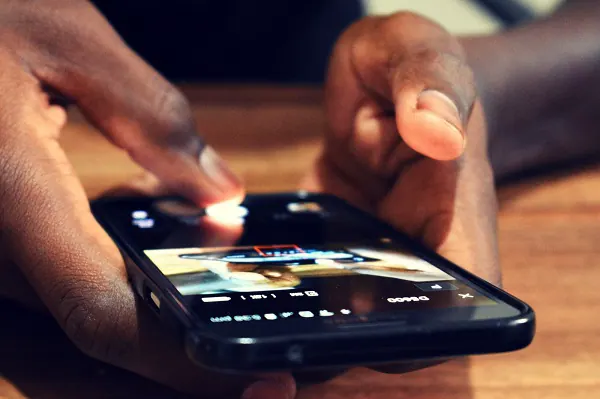
The question of where data goes has become a pressing concern for Nigeria's 192 million subscribers, with many expressing frustration over rapid data depletion. This issue has gained significance in 2026 as mobile internet becomes essential for commerce, education, and everyday conversations. The Nigerian Communications Commission (NCC) recorded 413,587 consumer complaints in the first half of the year, with data depletion and billing concerns ranking among the top issues reported across all four major operators.
The NCC's Executive Vice Chairman and CEO, Dr. Aminu Maida, attributes the problem to a gap between evolving smartphone technology and digital literacy. He notes that modern phone cameras produce higher resolutions, resulting in increased data consumption. For instance, viewing an Instagram photo that required only 100 kilobytes a few years ago can now consume two to four megabytes. Maida emphasizes the need for intentional, widespread consumer education rather than public hostility.
The arithmetic of data consumption is complex, with the NCC estimating that one hour of high-definition video streaming consumes approximately 1GB of data. Subscribers may unknowingly use more data than they realize through activities like watching TikTok sessions, YouTube videos, and using WhatsApp. Automatic application updates, cloud photo backups, and background synchronization on Android devices also contribute to data consumption, often invisibly.
Gbenga Adebayo, Chairman of the Association of Licensed Telecom Operators of Nigeria (ALTON), notes that the evolution of smartphones has fundamentally changed how consumers access digital services. Many applications now consume data continuously, even when users are not actively browsing, through background software updates, cloud backups, and video autoplay. Adebayo argues that telecoms companies have no commercial incentive to deliberately deplete customer data.
To address transparency concerns, MTN Nigeria launched a Data Calculator Portal that allows subscribers to track their usage against what they have been billed. An independent review by audit firm KPMG confirmed alignment between the usage displayed and the actual billing records from April 2026 onward. This move towards transparency is a step in the right direction, but more needs to be done to educate consumers.
The NCC's interventions aim to address the problem at the intersection of infrastructure and information. The commission's harmonized USSD codes allow subscribers on any network to check data balances by dialing *323#, free of charge. A compensation framework that took effect in April 2026 covers voice, data, and SMS services, establishing clearer standards for redress when service falls short.
The NCC will begin rolling out zero-rated access to approved educational platforms from October 2026, removing data cost as a barrier to learning for Nigerian students. However, until there is a broader shift in how Nigerians understand data consumption, frustration will persist. The 413,587 complaints recorded in six months signal that Nigeria's digital economy has outpaced the consumer education infrastructure needed to support it.
Key points
- The Nigerian Communications Commission (NCC) recorded 413,587 consumer complaints in the first half of the year.
- Dr. Aminu Maida emphasizes the need for intentional, widespread consumer education.
- The NCC will begin rolling out zero-rated access to approved educational platforms from October 2026.