Patience is a vital life skill that can be cultivated in children, helping them navigate everyday challenges. According to David Guggenheim, a psychologist, individuals spend a significant amount of time waiting throughout their lives. He notes that patience is not an innate quality, but rather one that develops over time with practice. By teaching children to be patient, parents can help them develop essential life skills.
Selena, a 32-year-old mother of two, is struggling to teach her 5-year-old son the value of patience. Her son wants everything immediately, and she finds herself constantly negotiating with him. Despite her best efforts, she often gives in to his demands to avoid tantrums. Selena is seeking advice on how to teach her son to be more patient without resorting to yelling or punishment.
Children's brains are still developing, particularly the regions responsible for impulse control, planning, and emotional regulation. This is why they often struggle with waiting and may become frustrated or upset. Sally Nazari, a psychologist, explains that patience helps children cope with frustration, boredom, and the desire for instant gratification. By learning to wait, children can develop better emotional regulation and relationships with others.
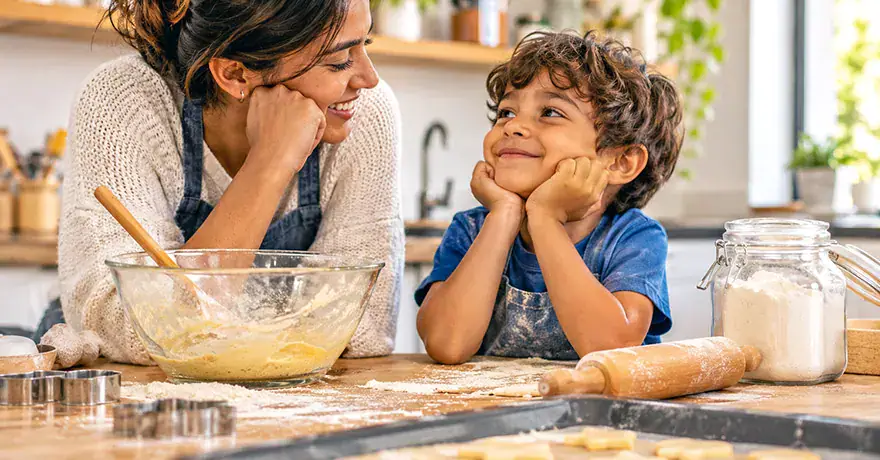
Cooking and baking can be excellent ways to teach children patience. These activities require measuring, following steps, and waiting for results. Nazari notes that children can see the direct benefits of patience in the kitchen, as they wait for dough to rise or cookies to bake. This helps them understand that patience can lead to rewarding outcomes.
Games and puzzles can also help children develop patience. Board games, card games, and puzzles require children to wait their turn, follow rules, and respect others. By starting with short games and gradually increasing the duration, parents can help their children learn to appreciate the process and not just the outcome.
Making waiting a game can also help children develop patience. Using a timer, sablier, or song can help children visualize the passage of time. They can also engage in activities like counting or finding objects while waiting. By making waiting more engaging and interactive, parents can help their children develop a more positive attitude towards patience.
Planting a seed and watching it grow can be a valuable lesson in patience for children. This activity teaches them that some things take time to develop and that patience is required to see results. By incorporating these activities into daily life, parents can help their children develop the essential life skill of patience, setting them up for success in the long run.
Key points
- Patience is a vital life skill that can be cultivated in children with practice and patience.
- Teaching children patience can help them cope with frustration and develop emotional regulation.
- Activities like cooking, games, and puzzles can help children develop patience in a fun and interactive way.