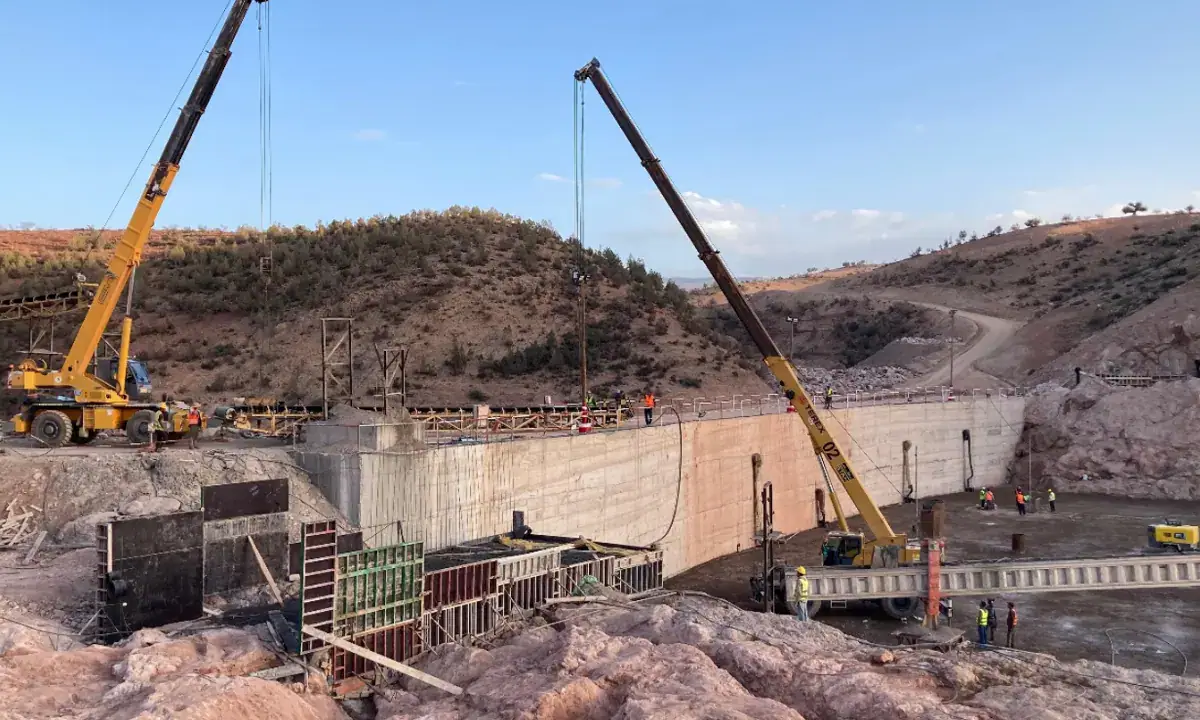
Morocco is pushing forward with its national strategy to strengthen water security and expand storage capacity by launching a new dam project in Khénifra province. The Sidi Amar dam, located about 23 kilometers from Khénifra city, is expected to have a storage capacity of over 114 million cubic meters. The project is part of efforts to address the impacts of water stress and climate change, and ensure sustainable water resources in the medium and long term.
The construction of the Sidi Amar dam is scheduled to begin on December 1, 2026, and is expected to take 30 months to complete, with a planned completion date of May 31, 2029. The dam will be built using roller-compacted concrete, standing 56 meters high and 184 meters long at the crest. The dam's reservoir will cover an area of approximately 876.5 hectares and receive water from a 430 square kilometer catchment area, with an annual inflow of around 45.55 million cubic meters.
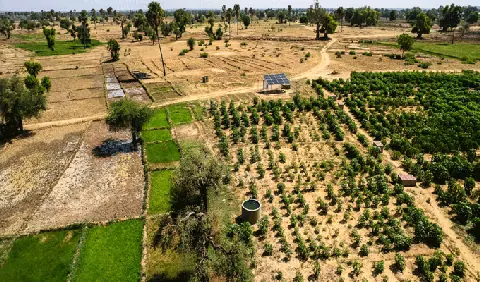
The Sidi Amar dam will play a multifaceted role in managing water resources in the region. It will not only provide storage but also regulate the flow of water in the Krou River, supply drinking water to nearby villages, and irrigate agricultural lands near the dam. Additionally, it will enhance water supplies to the strategic Sidi Mohammed bin Abdullah dam. The project is expected to create a significant economic and social impact in the region.
The construction of the Sidi Amar dam is anticipated to generate around 150,000 job days, stimulating local economic activity and promoting environmental tourism in the area surrounding the dam's lake. The project aligns with Morocco's efforts to improve water security and adapt to climate change. The dam's construction is a key component of the country's strategy to enhance its hydraulic infrastructure.
The Sidi Amar dam project reflects Morocco's commitment to addressing water scarcity and ensuring sustainable water management. The country's water strategy aims to strengthen its resilience to climate-related challenges and ensure a stable water supply for its population and agricultural sector. The project is a significant step towards achieving these goals.
The launch of the Sidi Amar dam project demonstrates Morocco's proactive approach to managing its water resources. The country's investment in hydraulic infrastructure is crucial for supporting its economic development and mitigating the impacts of climate change. The Sidi Amar dam is expected to make a positive contribution to Morocco's water security and sustainable development.
The Sidi Amar dam project is a notable example of Morocco's efforts to enhance its water management capabilities. The project's success will depend on effective implementation and management. The Moroccan government has emphasized its commitment to water security and sustainable development, and the Sidi Amar dam project is a key part of this effort.
Key points
- The Sidi Amar dam will have a storage capacity of over 114 million cubic meters and is expected to be completed by May 31, 2029.