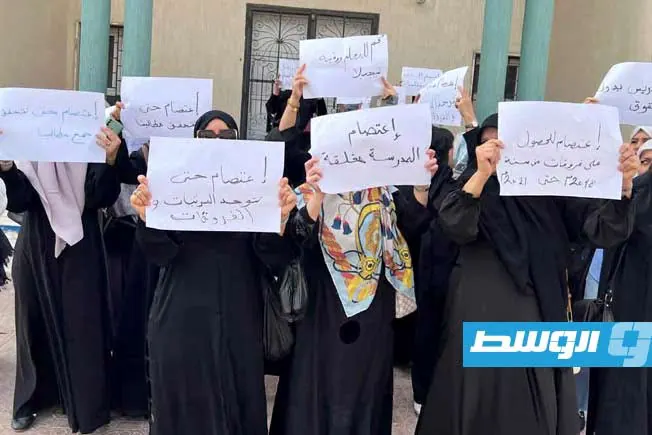
A nationwide teachers' strike has begun in Libya, adding to the country's ongoing struggles. The strike, which started on September 13, has disrupted schools across the country, affecting thousands of students. Teachers are demanding better wages and improved working conditions, citing low salaries and a lack of resources, including outdated textbooks and inadequate facilities. The strike has been organized by the Libyan Teachers' Union, which has called for a nationwide walkout in response to the government's failure to address their concerns.
The strike comes as Libya continues to face significant challenges, including frequent power outages and disruptions to oil production. The country's economy has struggled to recover since the 2011 revolution that overthrew Muammar Gaddafi, and many Libyans are struggling to make ends meet. The teachers' union has said that the strike will continue until the government meets their demands, which include a 50% increase in salaries and improved working conditions.
In Tripoli, teachers have been holding protests outside schools and government buildings, calling for better wages and working conditions. The strike has been widely supported by teachers across the country, with many schools forced to close due to the lack of staff. The Libyan government has not yet commented on the strike, but officials have promised to address the teachers' concerns.
The strike has caused concern among parents, who are worried about the impact on their children's education. Many parents are calling for a swift resolution to the dispute, fearing that the strike could have long-term consequences for the country's education system. The strike has also sparked fears of further instability in the country, which has struggled to maintain order since the Gaddafi era.
In Benghazi, teachers have also joined the strike, citing low salaries and poor working conditions. The city's teachers' union has said that the strike is necessary to draw attention to the plight of teachers, who are struggling to make ends meet. The union has called for the government to take immediate action to address the teachers' concerns, warning that the strike could continue for an extended period.
The strike has sparked international concern, with many countries calling for a swift resolution to the dispute. The Libyan government has faced criticism for its handling of the crisis, with many accusing it of neglecting the needs of its citizens. The strike has also raised concerns about the future of Libya's education system, which has struggled to recover since the 2011 revolution.
As the strike continues, many Libyans are calling for a peaceful resolution to the dispute. The country's teachers are demanding that the government takes concrete steps to address their concerns, including increasing salaries and improving working conditions. The strike has highlighted the ongoing challenges facing Libya, where many citizens are struggling to make ends meet and access basic services.
Key points
- - The strike is over low wages and poor working conditions. - The strike has disrupted schools across the country. - The Libyan government has not yet commented on the strike.