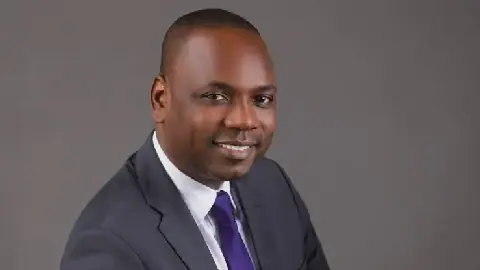
Dr. John Nwabueze, the Tax Ombud and Chief Executive of the Office of the Tax Ombud, has called on financial journalists to play a leading role in enhancing tax literacy and educating Nigerians about the country's tax reforms. He made this appeal at the 36th Anniversary Conference of the Finance Correspondents Association of Nigeria (FICAN) in Lagos. The conference's theme was "Building Taxpayer Confidence and Trust in Nigeria's Tax Reform Agenda." Nwabueze emphasized the critical role financial journalists play in explaining fiscal policies and their implications to the general public.
According to Nwabueze, financial journalists are uniquely positioned between government, businesses, investors, and the wider public. They help bridge the gap by making complex fiscal policies more understandable to ordinary Nigerians. He identified several areas where journalists could make a greater impact. These include explaining tax laws and their practical implications, scrutinizing the implementation of tax policies, distinguishing between lawful tax planning and tax evasion, investigating fairness in tax administration, and promoting financial and tax literacy.
Nwabueze stressed that tax reporting should go beyond merely announcing the amount of revenue collected by the government. Instead, it should examine how the money is spent, the services delivered, and its impact on economic development. He believes that a more in-depth approach to tax reporting will foster greater transparency and accountability. This, in turn, will help build taxpayer confidence in the system.
The Tax Ombud also highlighted the importance of a credible financial press in improving public understanding of tax policies. A well-informed public is more likely to engage constructively with the tax system. Nwabueze commended President Bola Tinubu for his commitment to reforming Nigeria's tax and revenue administration framework. These reforms aim to create a fairer, more inclusive, and sustainable tax system.
The tax reforms have led to the establishment of the Office of the Tax Ombud. This office is designed to strengthen taxpayer confidence in the tax system. Nwabueze said that his office would continue to promote understanding of the objectives and outcomes of the tax reforms. It will also encourage constructive engagement between taxpayers and revenue authorities.
Nwabueze emphasized that the objective of the Office of the Tax Ombud is to strengthen lawful administration and encourage responsible engagement. The office aims to build institutions that taxpayers can approach with confidence. It also seeks to enable revenue authorities to engage with taxpayers constructively. This approach will help foster a more transparent and accountable tax system.
The Tax Ombud's call to action underscores the critical role that financial journalists play in shaping public discourse around tax policies. By working together, journalists and tax authorities can promote greater tax literacy and build a more inclusive and sustainable tax system. This collaboration will ultimately contribute to Nigeria's economic development and growth.
Key points
- Dr. John Nwabueze urges financial journalists to improve tax literacy and explain Nigeria's tax reforms to the public.
- The Tax Ombud's office aims to strengthen taxpayer confidence in the tax system.
- Nigeria's tax reforms seek to create a fairer, more inclusive, and sustainable tax system.