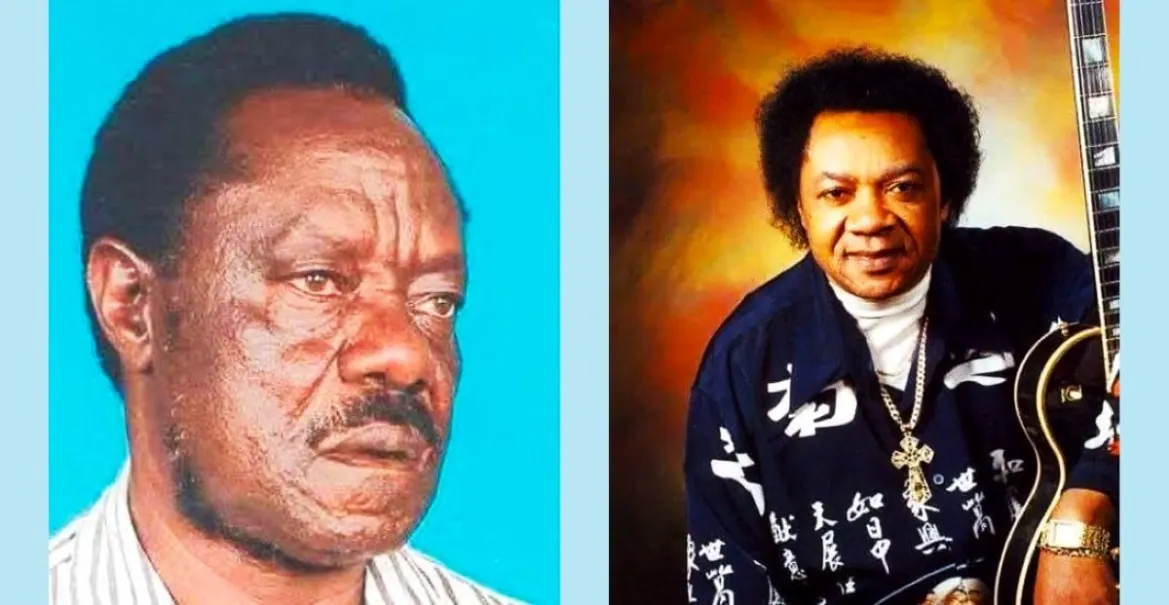
Daniel Owino Misiani, a renowned Tanzanian musician based in Kenya, released a song titled "Kiseru Pek Chalo Kidi" in 1976, which became an instant hit. The song referenced the Luo clan from Shirati, Tanzania, known for their mythical reputation for powerful traditional medicine and witchcraft. Misiani's song gained popularity, but he would later find himself in a copyright dispute over a section of the song being used in another artist's work.
In 1994, Lokassa Ya Mbongo and Soukous Stars released "Nairobi Night," a medley of East African songs, including a section of Misiani's "Kiseru Pek Chalo Kidi." The song became a huge hit, turning into an anthem in East Africa. Misiani felt that his song had been used without his consent and decided to pursue the matter legally. He wrote to Ibrahima Sylla, the Senegalese producer who owned Syllart Records and produced "Nairobi Night," to address the issue.
However, Misiani soon discovered that he did not actually own the copyright of his song "Kiseru Pek Chalo Kidi." His producer, Phares Oluoch Kanindo of the PK label, had quietly retained or acquired the absolute intellectual property rights to the catalogue without Misiani's fully informed consent. This meant that if anyone was legally entitled to initiate a copyright lawsuit, it was Kanindo, not Misiani.
The situation was further complicated by the relationship between Kanindo and Sylla, who were friends. Soukous Stars was based in Paris, and "Nairobi Night" was recorded, protected, and distributed through Syllart Records, also based in Paris. While Misiani maintained that Soukous Stars had plagiarized his song, the legal ownership of the recording was held by Syllart, just as the rights to his own composition were held by Kanindo.
Because Misiani did not legally hold the independent copyright documentation for his composition, and Kanindo was not prepared to challenge Sylla due to their friendship, the legal case eventually fell through. Misiani never received official international royalties from the massive success of "Nairobi Night," and despite the attention the dispute generated, the case never really got off the ground.
D.O. Misiani, born on February 22, 1940, in Tanzania, was a prominent musician who led the Shirati Jazz collective in Kenya. He was known as the "King of History" in Kenya and overseas, and also as "the grandfather of Benga," an East African guitar-driven music genre he pioneered. Misiani passed away on May 17, 2006, in Kenya.
The 1994 copyright battle between Misiani and Lokassa Ya Mbongo remains one of the most fascinating copyright disputes in African music history. The case highlights the complexities of copyright ownership and the challenges artists face in protecting their intellectual property rights. The dispute also underscores the significance of proper documentation and the need for artists to be aware of their rights.
Key points
- D.O. Misiani lost the copyright battle due to not owning the rights to his song "Kiseru Pek Chalo Kidi."
- The dispute highlights the complexities of copyright ownership in the music industry.
- Misiani never received international royalties from the success of "Nairobi Night."