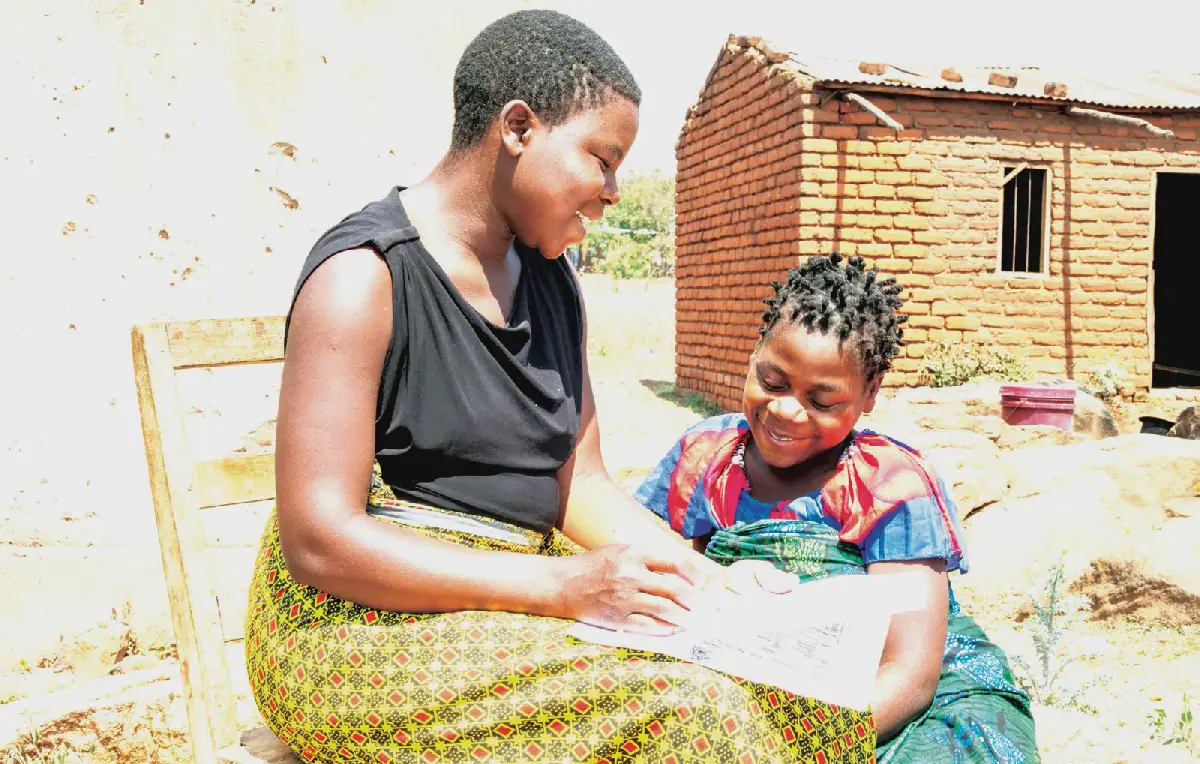
In Malawi, children living on the streets are struggling to access essential healthcare services, including HIV treatment and sexual and reproductive health services. According to James, a 15-year-old boy living on the streets of Lilongwe, life on the streets is tough, with older boys treating younger ones roughly and girls facing sexual abuse in exchange for protection. James, who has been living on the streets for 11 months, says that he has learned to rely on himself to survive.
James' experience with HIV treatment highlights the challenges faced by street-connected children in accessing healthcare. After testing positive for HIV, James was enrolled in antiretroviral treatment, but he struggles to remain on treatment while living on the streets. He says that it is difficult to attend clinic appointments while trying to survive on the streets, and he often defaults on treatment. At the time of the interview, James had run out of medication, despite feeling "okay on most days".
The Malawi government has made progress towards meeting global HIV targets, with 95 percent of people living with HIV knowing their status, 95 percent of those diagnosed receiving treatment, and 95 percent of those on treatment achieving viral suppression, according to the World Health Organisation's 2025 annual report. However, significant disparities exist between adults and children, with 87 percent of under-15 children living with HIV knowing their status, compared to 97 percent of adult women.
The lack of data on street-connected children's access to HIV services raises questions about the effectiveness of Malawi's HIV response in reaching children who live outside conventional family, education, and healthcare systems. According to Unicef Representative Dr. Penelope Campbell, there are no national HIV interventions specifically designed for street-connected children. While community youth clubs and youth-friendly health services are available in many districts, there is no data showing how many children and adolescents living on the streets are accessing these services.
For children living on the streets, finding food and a safe place to sleep can take precedence over seeking healthcare or keeping clinic appointments. In Blantyre's Mbayani Township, 16-year-old Tina faces similar challenges, having left school in Standard 7 after her mother died. She says that she has never attended a youth-friendly sexual and reproductive health session, believing that such services are for children with opportunities, not for those living on the streets.
Advocates say that outreach to children living on the streets remains limited, despite mobile clinics operated by AHF and government partners. Davies Mwachumu, advocacy and marketing officer at Aids Healthcare Foundation (AHF), acknowledges that mobile clinics often do not provide the privacy young people need, with long queues and public spaces. He says that building trust and creating safe spaces are essential to reaching street-connected children.
Experts believe that peer navigators could help bridge the gap in accessing healthcare for street-connected children. Dingaan Mithi, programme manager at JournAids Malawi, says that if services only sit inside buildings, street children will not come, and that peer navigators can help share information and accompany younger children to clinics.
Key points
- Malawi has no national HIV interventions specifically designed for street-connected children.
- Street-connected children face significant barriers to accessing healthcare, including HIV treatment and sexual and reproductive health services.
- Peer navigators could help bridge the gap in accessing healthcare for street-connected children.
Reporting sources
- Street-connected children struggle to access care · The Daily Times