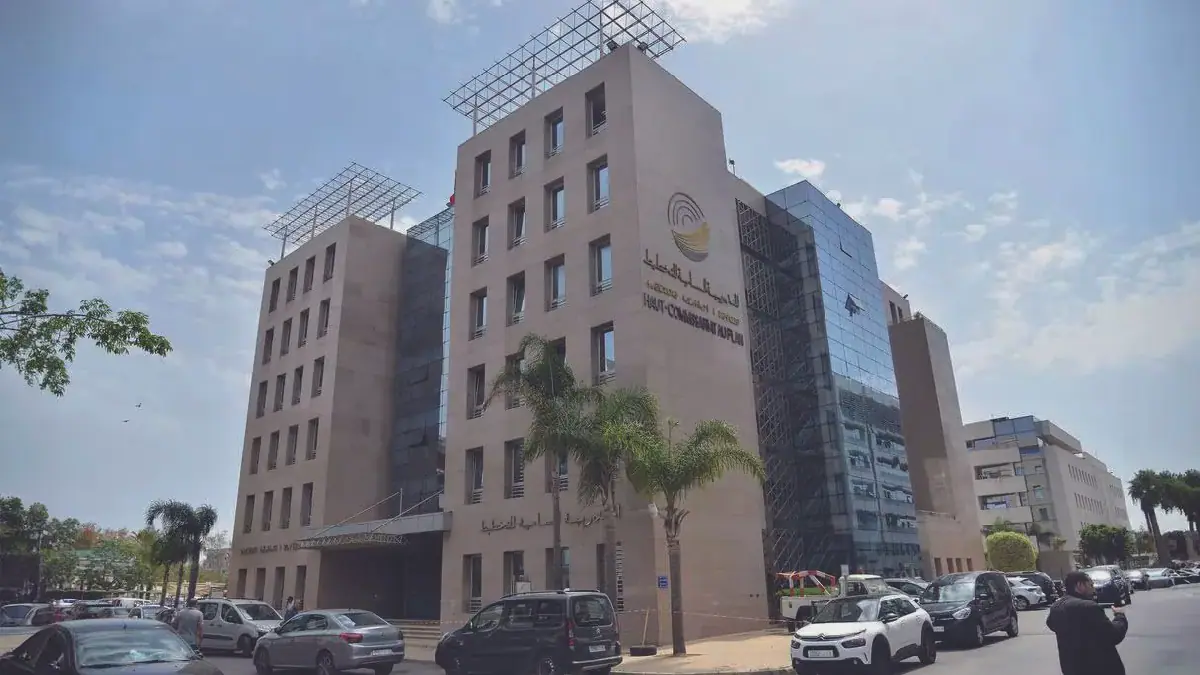
According to the latest survey by the Haut-Commissariat au Plan (HCP), a Moroccan government agency, 76.3% of households in Morocco reported a decline in their standard of living over the past 12 months. This perception is reflected in the Household Confidence Index (HCI), which stood at 59.2 points in the third quarter of 2026, down from 87.3 points in 2018. The HCI is based on four components: perception of the evolution of the standard of living, unemployment, opportunity to purchase durable goods, and financial situation.
The survey results indicate that households' confidence in their financial situation remains fragile. Only 58.2% of households reported that their income covers their expenses, while 39% stated that they have to borrow or use their savings to meet their needs. Furthermore, a mere 2.8% of households reported saving part of their income. In terms of expectations for the next 12 months, 51.7% of households anticipate a decline in their standard of living, while 61.3% expect an increase in unemployment.
The ability of households to save is a significant concern, with only 7.5% of households expecting to save in the next 12 months. The survey also found that 95.9% of households reported an increase in food prices over the past 12 months, with 77.9% expecting prices to continue rising in the next 12 months. These perceptions are likely to further erode households' purchasing power, which is already under pressure.
The HCP survey provides insights into the impact of rising prices on households' living standards. The majority of households (76.3%) reported a decline in their standard of living over the past 12 months, with only 5.2% reporting an improvement. Expectations for the next 12 months are not more optimistic, with 51.7% of households anticipating a decline in their standard of living.
The new government's program, unveiled by Prime Minister Fatima Ezzahra El Mansouri, aims to address the challenges facing households. The program includes a commitment to increase social assistance and support purchasing power. Specifically, the government plans to double social assistance to 1,000 dirhams per month by 2031 and increase the minimum pension to 3,000 dirhams per month.
The government's program also aims to reorganize the marketing circuits for fruits and vegetables, meat, and fish to limit the impact of intermediaries on final prices. Additionally, the government plans to take over electricity bills not exceeding 100 dirhams for eligible households. These measures are intended to support households' purchasing power and alleviate the pressure caused by rising prices.
The decline in household savings and purchasing power has significant implications for the Moroccan economy. The government's efforts to address these challenges will be crucial in supporting households and promoting economic growth. The HCP survey provides valuable insights into the perceptions and expectations of Moroccan households, highlighting the need for continued support and policy interventions to mitigate the impact of rising prices.
Key points
- Moroccan households' savings have significantly decreased, with less than 3% able to save.
- The government's program aims to increase social assistance and support purchasing power.
- Rising food prices are expected to continue, further eroding households' purchasing power.
Reporting sources
- HCP: l’épargne s’effondre, le pouvoir d’achat sous pression · Challenge Hebdo