Tanzanian households are facing renewed pressure on their budgets as inflation rose to its highest level since April 2023. The National Consumer Price Index shows that headline inflation increased from 4.2 percent in July to 4.3 percent in August. This means that, on average, prices of goods and services in the consumer basket were 4.3 percent higher than they were a year earlier.
Although inflation remains below the government's 5 percent target, economists caution that the headline rate does not fully reflect the pressure individual households face. Mzumbe University lecturer Dr Daudi Ndaki said inflation was not unique to Tanzania, with households in different economies facing rising living costs. He noted that the fact that inflation has not reached 5 percent does not mean households will not feel the changes in prices.
The National Bureau of Statistics data show that transport recorded annual inflation of 13.8 percent in August, more than three times the headline rate. Transport accounts for 14.1 percent of the consumer price basket. Energy, fuel and utilities recorded annual inflation of 8.5 percent, while services inflation stood at 5.9 percent.
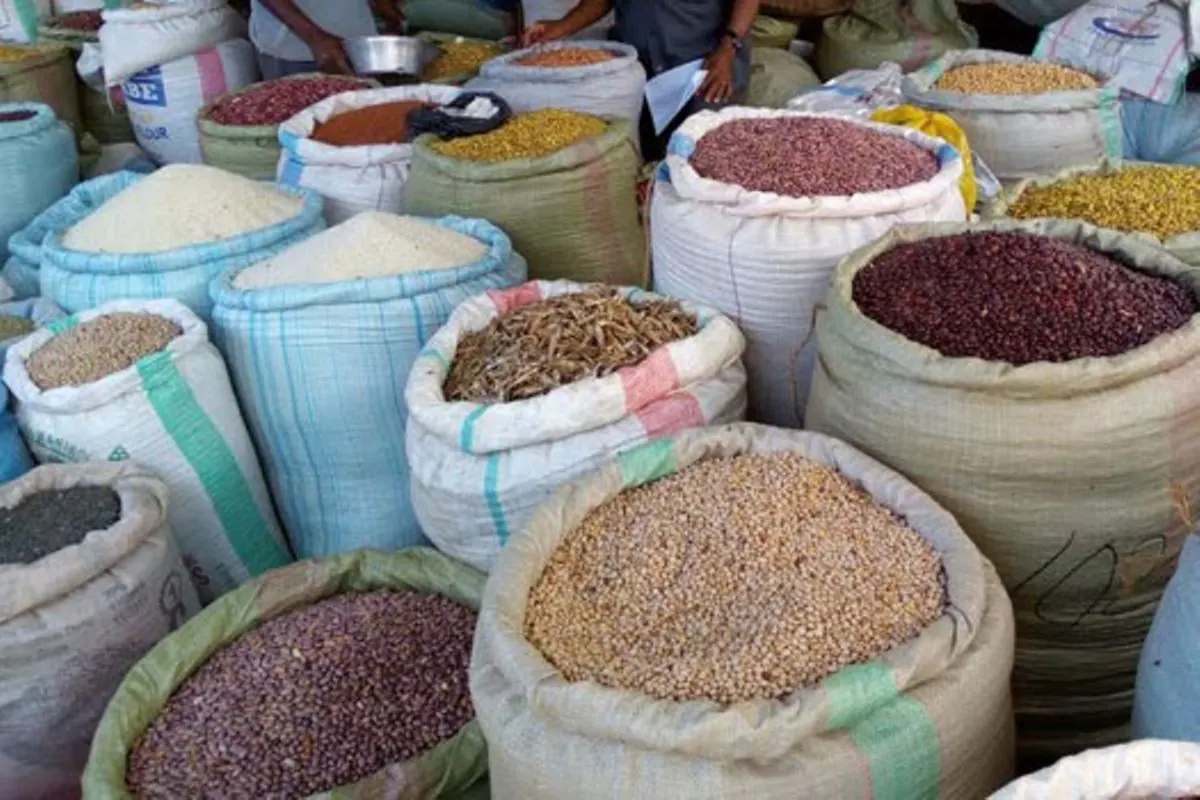
Food and non-alcoholic beverages, which have the largest weight in the consumer basket at 28.2 percent, recorded annual inflation of 3.7 percent in August, down from 4.1 percent in July. However, the moderation in annual food inflation does not mean prices were falling across the board. Between July and August, the NBS recorded increases in the prices of several products commonly bought by households.
Rice prices rose by 1.9 percent, live poultry by 4.2 percent, fresh fish by 2.3 percent and eggs by 2.2 percent. Cooking oil increased by 0.9 percent, while wheat flour and sugar rose by 0.7 percent and 0.5 percent, respectively. The cost of cement and iron sheets, used in construction and dwelling maintenance, increased by 1.9 percent, while charcoal rose by 1.7 percent and firewood by 1.3 percent.
Senior lecturer in the Department of Finance at the University of Dar es Salaam Business School, Dr Tobias Swai, said the development highlighted the importance of maintaining price stability. He advised households to review their consumption patterns where possible, including switching to more affordable and sustainable energy sources such as gas and solar.
Economists recommend that households strengthen their financial resilience by building savings, planning purchases in advance, and considering stocking essential food items when prices are favourable. Dr Ndaki called for continued support for vulnerable households through government social protection programmes such as the Tanzania Social Action Fund.
Key points
- Tanzania's inflation rate rose to 4.3 percent in August, driven by sharp increases in transport, energy, and selected food and household costs.
- The National Bureau of Statistics data show that transport recorded annual inflation of 13.8 percent in August, more than three times the headline rate.
- Economists recommend that households review their consumption patterns, build savings, and plan purchases in advance to mitigate the impact of rising prices.