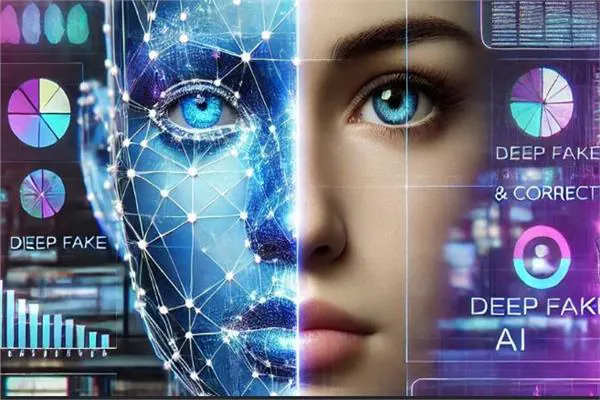
A leading cybersecurity expert in Egypt, Dr. Mohamed El-Gendy, has raised concerns about the growing threat of deepfake videos and audio recordings on social media. These AI-generated content can convincingly mimic real people, making it difficult to distinguish fact from fiction. Dr. El-Gendy warns that this technology can be exploited for cybercrimes, identity theft, and manipulating public opinion.
The expert explains that the latest threat has evolved beyond traditional deception methods. Advanced algorithms can now produce highly sophisticated fake content, including videos, voices, and images. For instance, AI-generated videos can mimic famous actors like Morgan Freeman, making it challenging to identify what's real and what's not. This technology has also been used to hack phones and steal voiceprints.
In a recent case, hackers used AI-generated voice recordings to trick a company into transferring $35 million. The scammers contacted the company's accountant, using a voice and phone number that matched the CEO's, and instructed him to transfer funds to 17 bank accounts. The accountant only discovered the scam the next day when he contacted the CEO, who had not made any such requests.
The incident highlights the growing concern about the use of deepfake technology for financial gain. Dr. El-Gendy emphasizes that the real danger lies not only in financial losses or identity theft but also in the manipulation of public perception. As AI-generated content becomes more sophisticated, it's increasingly difficult to trust what we see and hear on social media.
Cybersecurity experts are urging individuals and organizations to be cautious when consuming online content. Dr. El-Gendy advises verifying information through direct channels and being skeptical of suspicious content. The expert also highlights the need for greater awareness about the risks associated with deepfake technology and the importance of developing effective countermeasures.
The use of deepfake technology has significant implications for Egypt's digital landscape. As social media continues to play a major role in shaping public opinion, the spread of AI-generated content can have far-reaching consequences. Dr. El-Gendy's warnings serve as a reminder of the need for vigilance and critical thinking in the digital age.
As the threat of deepfake technology continues to grow, experts are calling for greater collaboration between governments, organizations, and individuals to combat this menace. By working together, it's possible to mitigate the risks associated with AI-generated content and ensure a safer online environment for everyone.
Key points
- Deepfake videos and audio recordings can convincingly mimic real people, making it difficult to distinguish fact from fiction.
- AI-generated content can be exploited for cybercrimes, identity theft, and manipulating public opinion.
- Experts urge individuals and organizations to be cautious when consuming online content and verify information through direct channels.