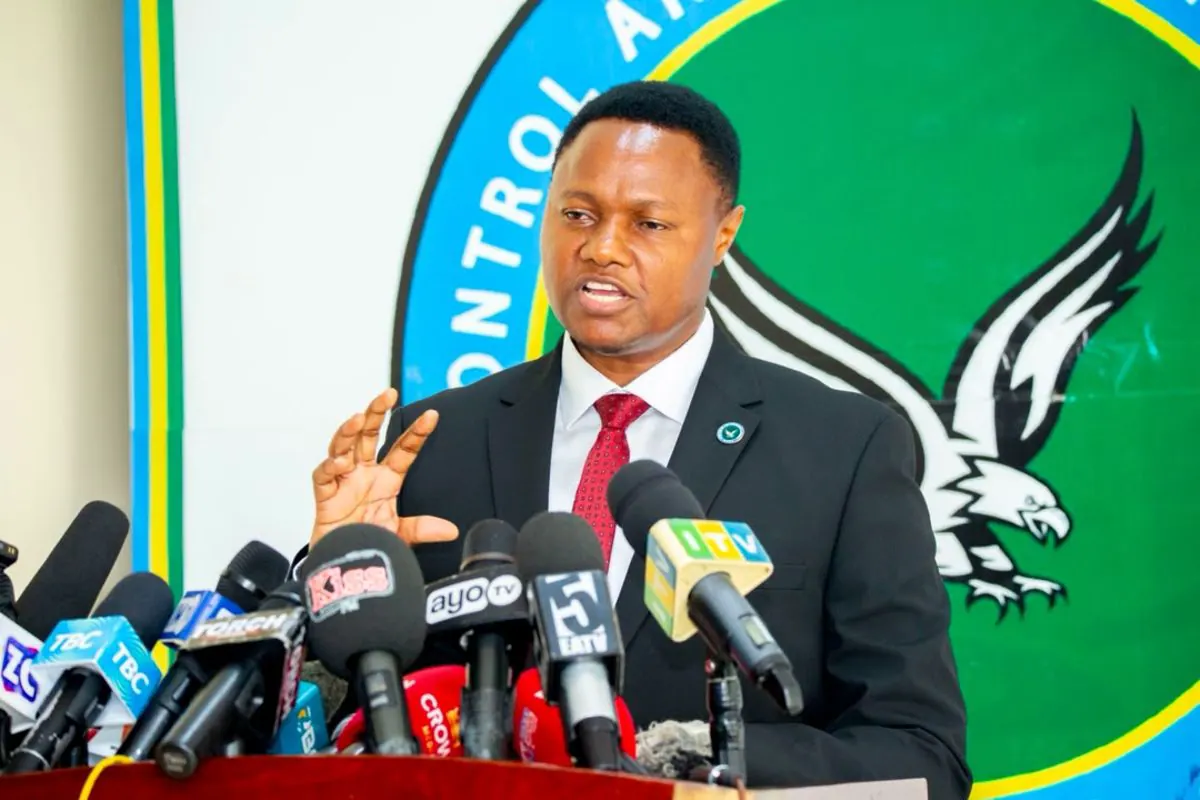
The Drug Control and Enforcement Authority (DCEA) in Tanzania has reported a new trend in drug trafficking, where perpetrators are using unconventional vehicles such as funeral cars, buses, and motorcycles to transport illicit substances. This development comes as authorities intensify efforts to disrupt the trade. According to DCEA Commissioner General Aretas Lyimo, the authority has identified the use of vehicles transporting bodies to move drugs, particularly on return journeys from Dar es Salaam to northern regions.
The vehicles are allegedly used to transport substances such as khat and skunk to areas including Moshi, Arusha, and Tanga, with some drugs also being taken to funeral areas where khat is consumed. DCEA reported the seizure of more than 18 tonnes of illicit drugs during a three-month crackdown between July and September 2026. The seizures included 11,504.76 kilogrammes of cannabis and 6,529 kilogrammes of khat, alongside smaller quantities of bhang, heroin, and skunk.
A total of 289 suspects were arrested, of whom 169 had been taken to court, while legal procedures against the remaining suspects were ongoing. DCEA also seized eight vehicles, one three-wheeled vehicle, and 40 motorcycles during the operations. Commissioner General Lyimo said motorcycles and buses were increasingly being used to transport cannabis and khat, particularly along the northern transport corridor.
In one notable case, three suspects were arrested after 238 bundles of khat weighing 125.33 kilogrammes were found in a bus travelling from Tanga to Dar es Salaam. In another operation in Uyui District, Tabora, five suspects were arrested after 21.95 kilogrammes of cannabis were found in a Tata truck travelling from Uyui to Kahama. The authority said cannabis cultivation and trafficking remained a major challenge in Morogoro and Tabora.
DCEA seized 6,299.24 kilogrammes of cannabis in Morogoro and 4,650.6 kilogrammes in Tabora, alongside 203 kilogrammes of cannabis seeds. Khat seizures were concentrated in Tanga, Kilimanjaro, Arusha, and Dodoma, with authorities saying public transport was among the methods used to move the drug. Commissioner General Lyimo urged owners of buses and commercial vehicles to strengthen checks on luggage and supervise drivers and conductors to prevent their vehicles from being used by traffickers.
The authority also reported drug interceptions involving foreign nationals at ports and other entry points, including cases involving skunk and cannabis. DCEA said it was strengthening intelligence-led operations as traffickers continued to adapt their methods. Commissioner General Lyimo disclosed concerns over individuals outside DCEA allegedly using anti-drug operations to extort suspected dealers, including claims that seized drugs are sometimes resold.
The authority is preparing a special operation to address the problem and has called on members of the public to provide information on suspected drug trafficking as enforcement operations continue. The DCEA's efforts aim to curb the escalating drug trade in Tanzania, with Commissioner General Lyimo emphasizing the importance of public cooperation in achieving this goal.
Key points
- - 18,078.41 kilogrammes of drugs were seized in 14 regions during a three-month crackdown. - 289 suspects were arrested, with 169 taken to court. - The authority is strengthening intelligence-led operations to combat evolving trafficking methods.