Stakeholders in Tanzania are emphasizing the need for data-driven action to address the challenges faced by individuals with Down syndrome and their families. At a recent meeting in Dodoma, health experts, parents, and activists agreed that better health policies and legislation can be formulated based on reliable, accessible, and actionable data. This data will enable equitable access to quality healthcare and early intervention services for those affected.
Parents and relatives of individuals with Down syndrome shared their experiences, highlighting the emotional and financial burden of raising children and adults with the condition. Christina Mandara, a parent whose daughter passed away before reaching one year of age, explained that Down syndrome is not a disease but a condition that often predisposes children to various health weaknesses and medical complications. She stressed the need for specialized medical care and empathetic guidance from healthcare providers.
The meeting also heard from parents who called for improved infrastructure and early diagnosis. Mokia Mollel, a father to a four-year-old son with Down syndrome, urged for proper infrastructure and prompt early diagnosis so that parents know the right steps to take immediately. He also suggested establishing special schools equipped with specially trained teachers to educate and cater to the needs of these children.
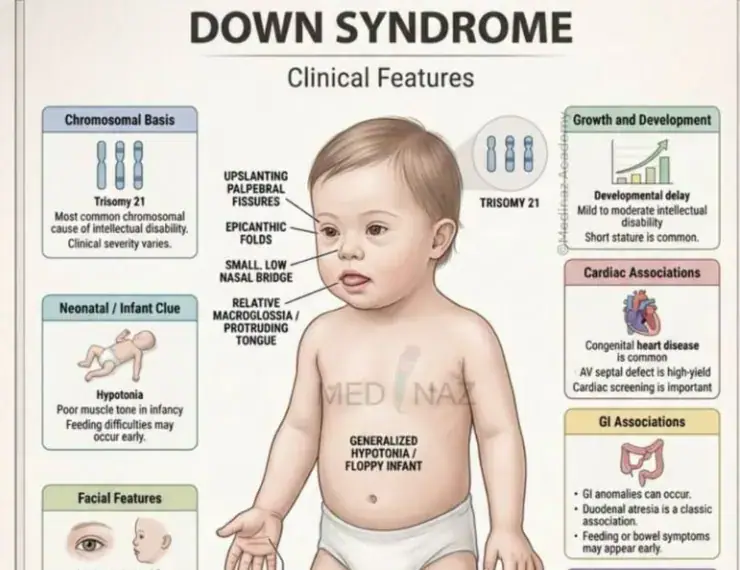
Healthcare providers emphasized the crucial role they play in managing Down syndrome. Dr. Mwajuma Mdoe, a specialist midwife and lecturer at the University of Dodoma, noted that midwives are the first point of contact when a child is born and must conduct thorough initial assessments before discharging mothers. She explained that early physical indicators of Down syndrome can be identified at delivery, while prenatal ultrasounds can detect signs before birth.
Dr. John Meda, a senior lecturer at the University of Dodoma and a consultant cardiologist, highlighted the physical and cognitive vulnerabilities faced by children born with Down syndrome. He noted that Down syndrome is a genetic condition resulting from an extra chromosome 21 and occurs in approximately one out of every 1,000 live births. Dr. Meda also emphasized that children with Down syndrome are not inherently ill but frequently face complex congenital heart defects.
Down Syndrome Tanzania, a non-profit organization, is working to raise awareness and promote equitable access to social services for persons with Down syndrome and their families. Dr. Julius Masaga, Health Coordinator for Down Syndrome Tanzania, said the organization aims to prioritize data collection, equitable health services, and fundraising strategies. The goal is to ensure that individuals with Down syndrome receive equal and fair healthcare services.
The organization, led by founder Mony Teri Pettit, seeks to advocate for policy development that addresses the needs of persons with Down syndrome, including education, health, and social well-being. By influencing national policies and legislation, Down Syndrome Tanzania aims to ensure the inclusion and protection of the rights of persons with Down syndrome.
Key points
- Stakeholders in Tanzania call for reliable data to improve healthcare and early intervention services for individuals with Down syndrome.
- Down syndrome is a genetic condition resulting from an extra chromosome 21, occurring in approximately one out of every 1,000 live births.
- The organization aims to prioritize data collection, equitable health services, and fundraising strategies to support individuals with Down syndrome.