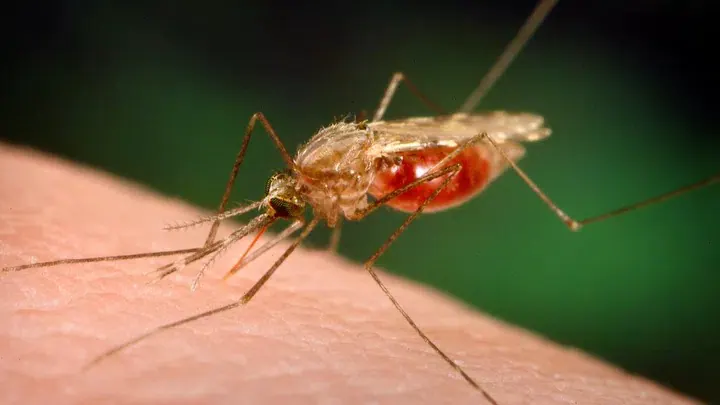
Tanzania's Minister for Health, Mohamed Mchengerwa, has urged African countries and health stakeholders to develop sustainable strategies to accelerate efforts to combat malaria. Speaking at a high-level meeting in New York, Mchengerwa emphasized the need for African countries to take greater responsibility for developing, financing, and ensuring access to tools needed to eliminate malaria. Malaria continues to claim hundreds of thousands of lives every year, with Africa carrying the largest share of the global burden.
Mchengerwa highlighted the personal impact of malaria in Tanzania, stating that it is difficult to find a family that has never spent an entire night awake with a child suffering from fever, hoping it is just an ordinary fever, but often it is malaria. He stressed that the fight against malaria can no longer rely solely on technologies imported from outside the continent or on international funding. African countries need to build local capacity to manufacture essential health products closer to the communities that need them.
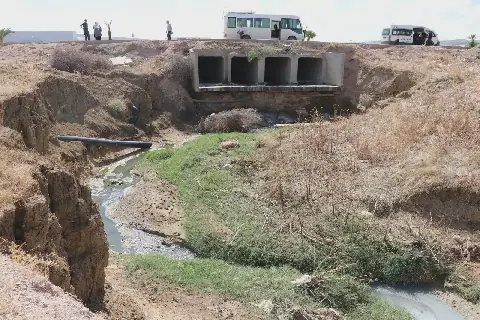
Tanzania has already established a track record of contributing to innovation and the development of malaria-control technologies. The country began producing insecticide-treated mosquito nets in Arusha at an early stage, while a facility in Kibaha produces biological insecticides designed to eliminate mosquito breeding sites before the mosquitoes mature. These initiatives demonstrate the importance of strengthening local innovation, production capacity, and research as part of broader efforts to accelerate the fight against malaria in Africa.
Mchengerwa cited a major study conducted in Misungwi, Mwanza Region, which contributed evidence on the effectiveness of dual-active-ingredient insecticide-treated mosquito nets. This study is an example of Tanzania's participation in research to assess new malaria prevention technologies. By building local capacity and investing in research, Tanzania aims to make a significant impact in the fight against malaria.
The Minister for Health emphasized that African countries should take ownership of the fight against malaria and develop sustainable strategies to combat the disease. This includes investing in local production capacity, research, and development of malaria-control technologies. By working together, African countries can make significant progress in eliminating malaria and reducing the burden on communities.
Tanzania's efforts to combat malaria have shown promising results, with the country making significant progress in reducing the incidence of the disease. However, Mchengerwa stressed that there is still much work to be done, and African countries must work together to achieve the goal of eliminating malaria. This requires a coordinated effort from governments, health stakeholders, and local communities.
The high-level meeting in New York provided a platform for African countries and health stakeholders to discuss innovative solutions to combat malaria. Mchengerwa's call to action emphasizes the need for collective responsibility and action to eliminate malaria. By working together and investing in local capacity, African countries can make a significant impact in the fight against malaria.
Key points
- Tanzania's Minister for Health, Mohamed Mchengerwa, urges African countries to take greater responsibility for developing, financing, and ensuring access to tools needed to eliminate malaria.
- Tanzania has established a track record of contributing to innovation and the development of malaria-control technologies, including producing insecticide-treated mosquito nets and biological insecticides.
- African countries need to build local capacity to manufacture essential health products closer to the communities that need them to effectively combat malaria.