An International Monetary Fund mission has found that doing business in Tanzania is unusually complicated and costly. The mission projects growth of 5.9 percent for 2026/27 and around six percent over the medium term, with inflation inside the three to five percent target band. Despite the challenges, the mission noted that capital is not avoiding Tanzania, with exports growing by almost a fifth to $21.1 billion in the year to September.
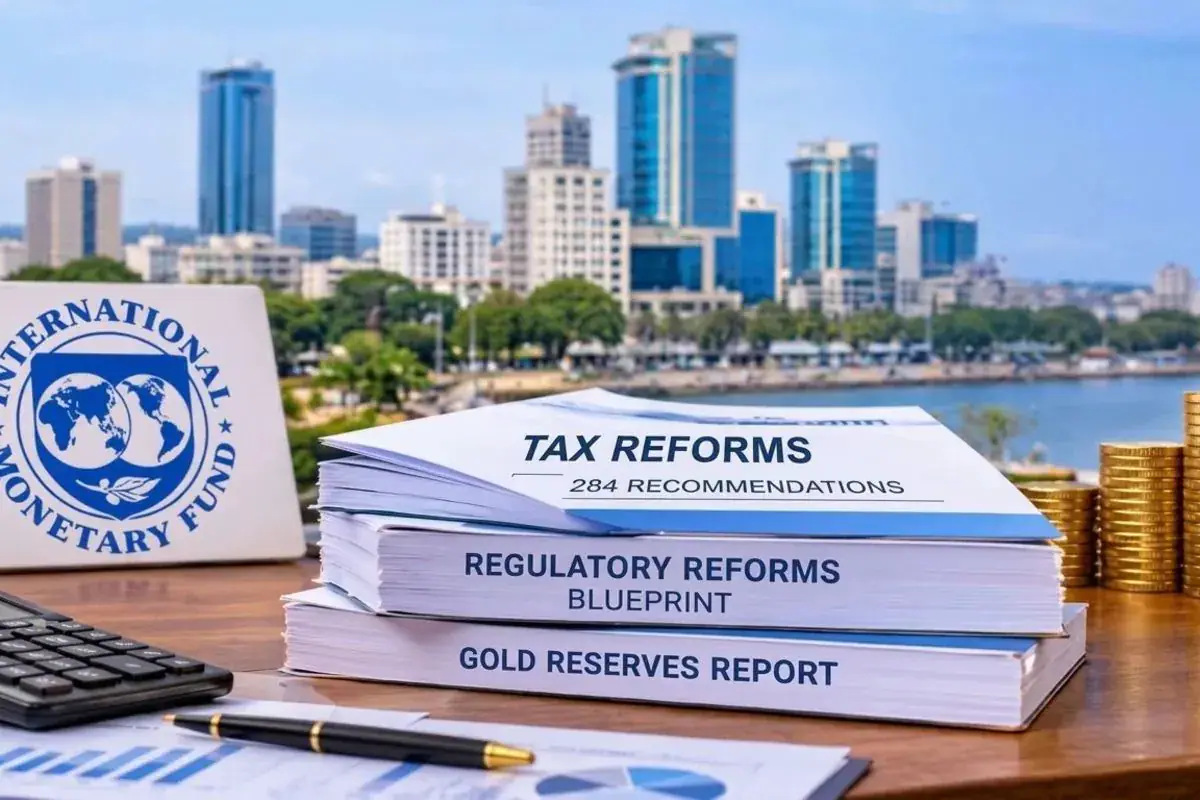
The IMF mission identified several areas that need improvement, including overlapping regulators and their fees, which create uncertainty for businesses. The mission also noted that the report of the Presidential Commission on Tax Reforms, with its 284 recommendations handed to the President in March, remains unpublished. This makes it difficult for businesses to understand how it fits with the Medium-Term Revenue Strategy adopted in 2025.
The IMF mission also highlighted the need for transparency in the state's own balance sheet, particularly with regards to gold purchases, holdings, and costs. The mission suggested that the Bank of Tanzania publish regular data on its gold purchases, holdings, and costs, and consider moving the programme's operational functions into a separate entity. This would make the programme bankable and provide a credible counterparty for domestic refiners.
The IMF mission noted that regulatory reform is not a favour to foreign capital, but rather a jobs agenda. The mission estimates that about 90 percent of jobs sit in low-productivity sectors, and growth of 6 percent that does not move people into better work is growth the country will feel less than it measures. Regulatory reform can lower the cost of every Tanzanian business, not only foreign ones.
The author of the article, Amne Suedi, suggests that the sequence for reform is simple: publish the tax commission report with a timetable for the measures government accepts, publish a map of which agency charges what, with a commitment to consolidate it, and publish the gold book. These publications, none of which require Parliament, would be worth more to Tanzania's cost of capital than another round of incentives.
The Tanzanian government has already done the hard intellectual work of reform, but now needs to take an administrative decision to prioritise and sequence the reforms. The Blueprint for Regulatory Reforms already exists, and the ask is that it be prioritised and sequenced. This could be taken before the Fund's staff report lands in January.
The IMF mission's findings and recommendations are seen as an opportunity for Tanzania to improve its business climate and attract more investment. By publishing the reforms and taking a transparent approach, the government can show that it is committed to creating a more favourable business environment. This could lead to increased economic growth and job creation in the country.
Key points
- Publish tax commission report and regulatory reforms to improve business climate
- Transparency in state's balance sheet, particularly gold purchases, is crucial
- Regulatory reform can be a jobs agenda, lowering costs for Tanzanian businesses
Reporting sources
- Reforms written, Tanzania must now set the timeline · The Citizen