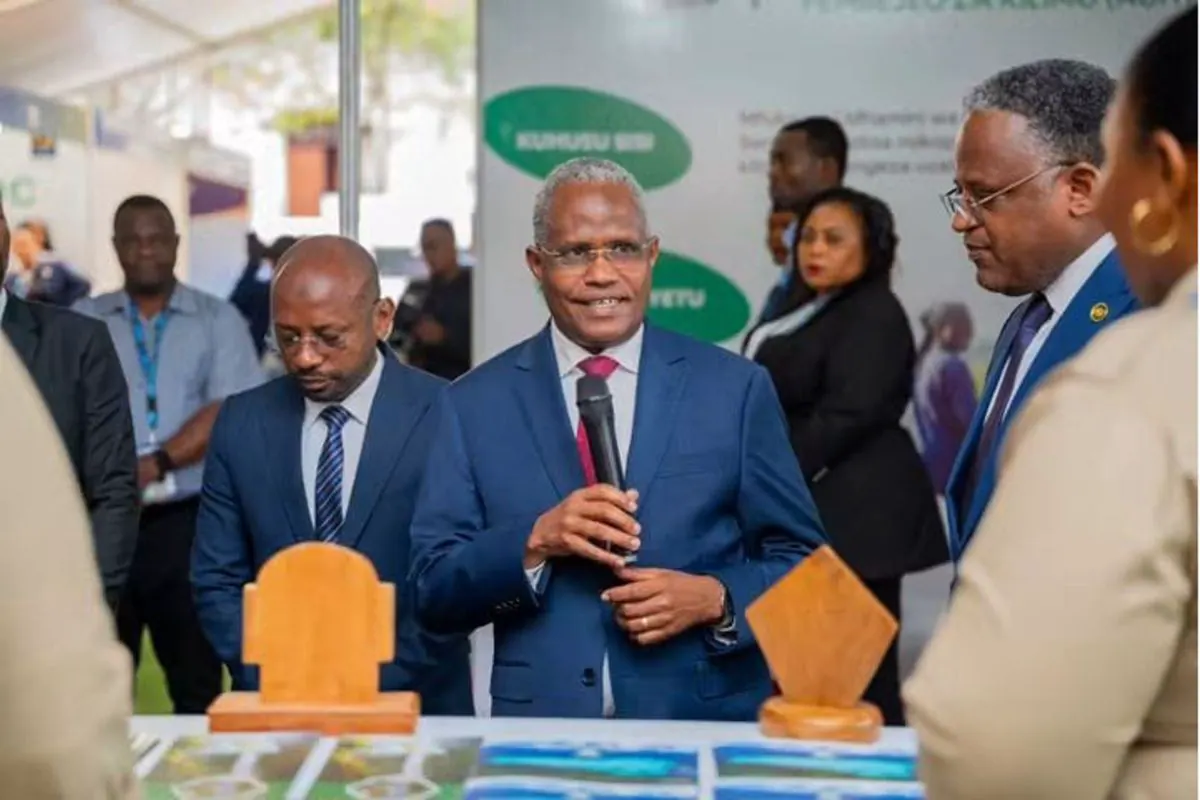
Tanzania's National Assembly Deputy Speaker Daniel Sillo has called on the government to prioritize tangible results in development projects, shifting focus from paperwork to measurable improvements in people's lives. Speaking at the fifth Tanzania Monitoring, Evaluation and Learning Week in Arusha, Sillo emphasized that development performance should be judged by actual changes achieved, not just reports produced or funds spent. This approach is crucial for effective implementation of the National Development Vision 2050.
Sillo stressed the need for reliable and timely information to identify challenges early and enable leaders to take corrective action. He urged officials to use evaluation findings in daily decision-making, rather than waiting until the end of the year to discover that development targets had not been achieved. According to Sillo, monitoring and evaluation is an early-warning mechanism that enables challenges to be identified and addressed in time, preventing failure.
The Deputy Speaker also called on leaders to visit development projects and assess their implementation carefully on the ground. Assessments should examine improvements in education and healthcare, job creation, infrastructure, and access to essential services. Sillo emphasized that assessments should go beyond statistics to capture people's experiences, establish who has benefited from public services, and identify those who remain unreached.
Permanent Secretary in the Prime Minister's Office, Dr Jim Yonazi, echoed Sillo's sentiments, stating that the government needs evidence of the impact of its development programs as it implements the Fourth Five-Year Development Plan. Yonazi emphasized that the government requires evidence showing how people's lives have changed, at what cost, and within what period. The government is strengthening its electronic management and data collection system, which had reached 70 percent completion by June 2026.
Dr Yonazi's comments highlight the government's focus on results-based management. The electronic management and data collection system aims to provide accurate and timely data on development projects. This system will enable the government to track progress, identify challenges, and make informed decisions. The government's commitment to strengthening its monitoring and evaluation systems is a step towards achieving the objectives of Development Vision 2050.
Parliamentary monitoring and evaluation champion, Ms Mwanaisha Ngazi, said legislators are ready to present recommendations from the conference to Parliament to accelerate implementation of development plans. The proposals will focus on initiatives aimed at helping Tanzania achieve the objectives of Development Vision 2050. Ngazi's comments underscore the importance of collaboration between the government and legislators in ensuring that development projects deliver tangible results.
The Tanzania Monitoring, Evaluation and Learning Week is an annual event that brings together stakeholders to discuss issues related to monitoring and evaluation. The event provides a platform for stakeholders to share experiences, best practices, and lessons learned in monitoring and evaluation. The conference aims to promote a culture of results-based management in Tanzania, ensuring that development projects improve people's lives.
Key points
- The government has been urged to strengthen monitoring and evaluation systems to ensure development projects deliver measurable improvements in people's lives.
- Effective monitoring and evaluation are critical to implementing the National Development Vision 2050.
- The government needs evidence of the impact of its development programs, including how people's lives have changed, at what cost, and within what period.