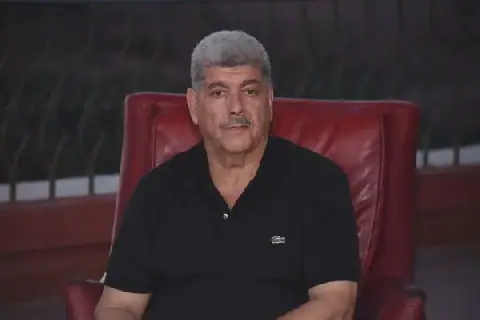
A chieftain of the G-100 political pressure group, Umanu Elijah, has stated that the opposition's plan to field a consensus presidential candidate against President Bola Tinubu in the 2027 election has failed. Elijah attributed the failure to opposition politicians' unwillingness to make concessions required for a united front. The G-100, convened by former Director-General of the Progressives Governors' Forum, Salihu Lukman, aimed to facilitate a broad-based opposition coalition.
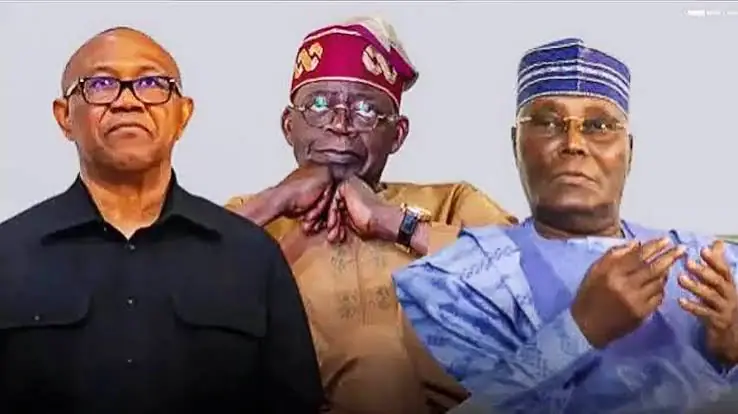
The G-100 had been holding consultations with prominent opposition figures, including former Vice President Atiku Abubakar, former Anambra State Governor Peter Obi, and Oyo State Governor Seyi Makinde. The group's efforts sought to build consensus around a common platform and a single presidential candidate, improving their chances against Tinubu. However, opposition politicians have continued to pursue individual ambitions, with little indication of an imminent agreement on a common candidate.
Elijah cited the continued campaign activities of opposition parties, such as the African Democratic Congress and the Allied Peoples Movement, as evidence that prospects for a consensus arrangement had diminished. The opposition coalition push was driven by concerns that a divided opposition would split votes and weaken the challenge to the APC. Despite this, none of the prominent opposition figures have shown willingness to sacrifice their ambitions for a consensus candidate.
The failure of the consensus candidate plan has raised questions about the feasibility of the coalition project, particularly as the 2027 election approaches. Political actors are intensifying consultations and mobilisation, with opposition parties likely to contest the election independently. This development may play into the hands of the ruling APC, which has significant political structures and electoral advantages.
Elijah's assertion that the single-candidate proposal championed by Lukman had failed was based on the reluctance of opposition politicians to make concessions. He pointed to the campaign activities of opposition parties, which indicate that they are not considering a single candidacy. Efforts to get Lukman's reaction were unsuccessful, as he neither answered calls nor responded to messages.
The opposition's inability to forge a united front may have significant implications for their chances in the 2027 election. A divided opposition may struggle to dislodge the APC, particularly given the ruling party's advantages. The development has sparked concerns about the opposition's ability to present a united front against the APC.
The G-100's efforts to facilitate a broad-based opposition coalition have faced growing doubts, and the failure of the consensus candidate plan may mark a significant setback for the opposition. As the 2027 election approaches, opposition parties will need to regroup and reassess their strategies if they hope to present a united front against the APC.
Key points
- Opposition politicians' unwillingness to make concessions has led to the failure of the consensus candidate plan.