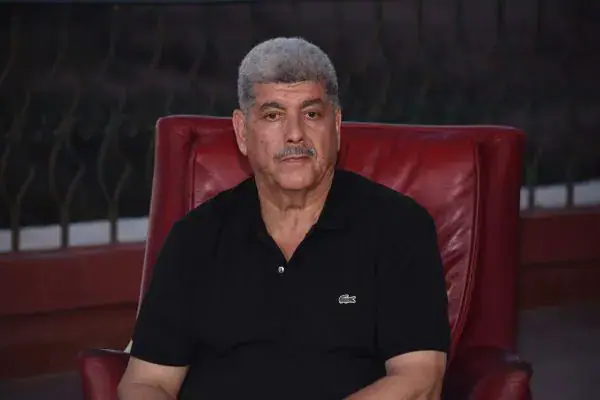
Algerian scholar Ahmed Bensaada has emphasized the need for France to recognize its colonial crimes, particularly the torture, to establish a strong foundation for relations between the two countries. In a recent conference, Bensaada highlighted that the acknowledgement of colonial crimes is crucial for building respectful and equal relationships between Algeria and France. He noted that certain groups in France, including former French settlers and lobbying networks, are working against improved relations between the two nations.
Bensaada pointed out that several countries, including Canada, Australia, and Spain, have recognized their colonial crimes, but France has yet to do so. He argued that France's reluctance to acknowledge its past wrongdoings hinders the development of healthy relations with Algeria. Bensaada also criticized the French media for promoting a neo-colonialist narrative, which often downplays or distorts the country's colonial history. He believes that this biased perspective contributes to the persistence of colonial-era mindsets.
The scholar noted that the legacy of colonialism continues to influence French politics and media, with some individuals, including government ministers, propagating views that undermine Algeria's history and culture. Bensaada cited an example of a French minister, whose father was involved in the execution of Algerians during the colonial era, who now claims that Algeria would have been better off under French rule. He argued that such views demonstrate a lack of understanding and respect for Algeria's experiences.
Bensaada emphasized the importance of Algeria's media and cultural institutions in promoting a accurate representation of the country's history and experiences. He encouraged Algerian journalists, filmmakers, and artists to shed light on the country's colonial past and its ongoing impact. By doing so, Bensaada believes that Algeria can reclaim its narrative and promote a more nuanced understanding of its history.
The scholar also highlighted the need for a more accurate representation of colonial history in French education. He noted that current teaching methods often downplay or glorify colonialism, which perpetuates a distorted view of the past. Bensaada cited the work of historian Benjamin Stora, who has argued that the French education system fails to adequately address the violent aspects of colonialism.
Bensaada discussed the construction of infrastructure during the colonial era, arguing that it was primarily designed to serve French interests rather than the needs of the Algerian people. He cited a recent study that found that Algerians built and financed many of the roads and infrastructure projects during this period. The scholar emphasized that a more nuanced understanding of colonial history is necessary to appreciate the complexities of the past.
Regarding the opening of French archives related to colonial torture, Bensaada acknowledged that it is a complex issue. He suggested that improved relations between Algeria and France, based on mutual respect and a willingness to confront the past, could facilitate progress on this issue. Bensaada emphasized that the goal is not to vilify individuals or groups but to promote a more accurate understanding of history.
Key points
- France's recognition of its colonial crimes is crucial for building respectful and equal relationships with Algeria.
- Algerian scholar Ahmed Bensaada calls for a more accurate representation of colonial history in French education and media.
- Bensaada emphasizes the importance of Algeria's media and cultural institutions in promoting a accurate representation of the country's history and experiences.