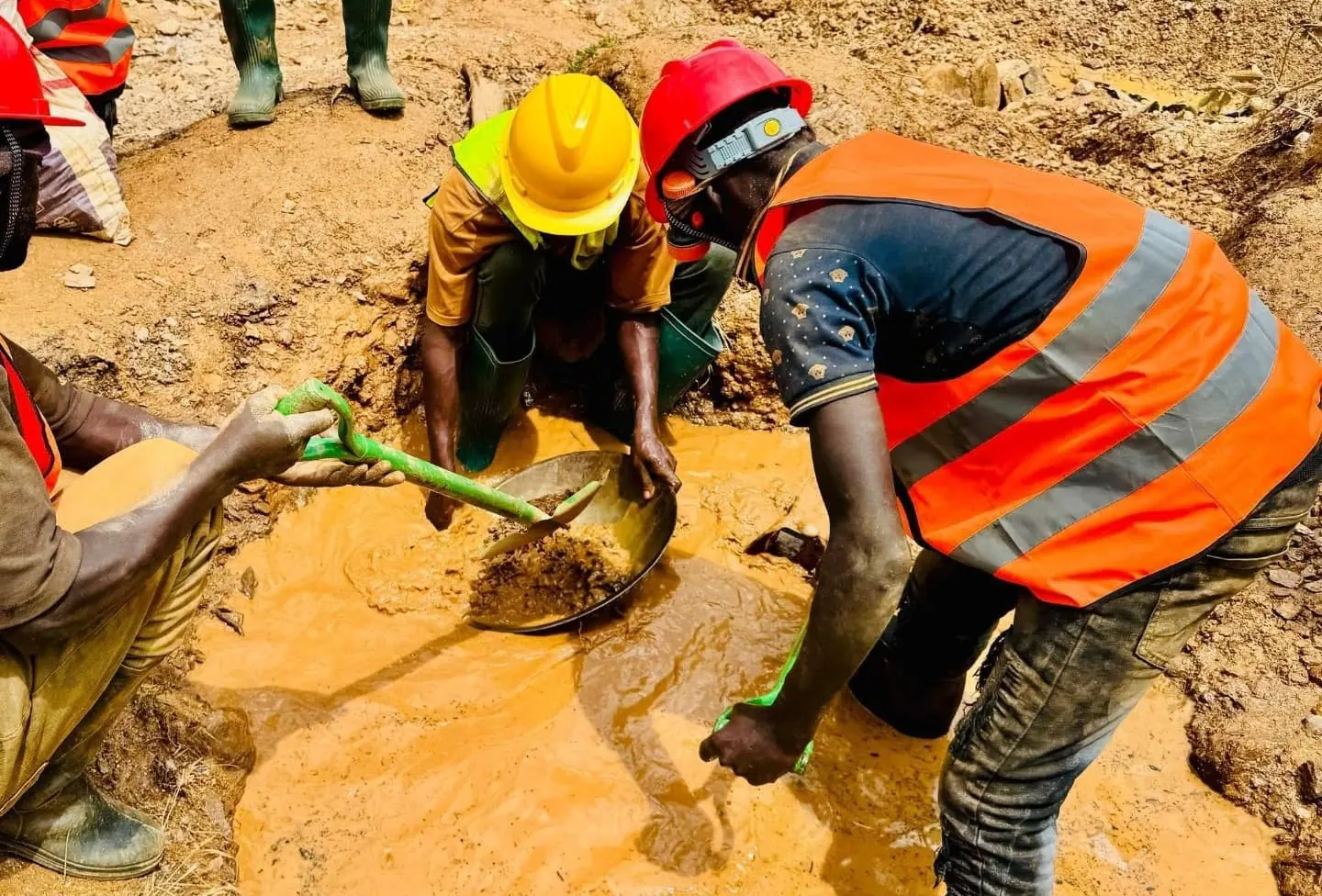
Tanzania is increasingly becoming a significant player in the global battery mineral supply chain, driven by growing graphite mining activities and other essential minerals. The country is, however, faced with the challenge of ensuring a substantial share of the value derived from these resources remains within its borders. With the rise in demand for battery minerals, Tanzania has signed a $100 million investment deal with Chinese company Henan Yudi Mining for a graphite project in Morogoro.
The agreement, signed in August 2026, will see the Tanzanian government hold a 17% stake in the project, while the Chinese company will own 83%. The project aims to produce approximately 50,000 tonnes of graphite per year. Tanzania's graphite production has been on the rise, increasing from around 13,500 tonnes in 2023 to 38,140 tonnes in 2024, according to the U.S. Geological Survey (USGS). This growth positions Tanzania as a crucial supplier of graphite, a key mineral in battery production.
Graphite production is just one step in the broader battery supply chain. Higher-value steps include mineral refining, production of battery raw materials, manufacturing of cathode and anode materials, battery cell production, battery recycling, and ultimately, electric vehicle manufacturing. A 2026 study on Tanzania's critical minerals sector identified areas of opportunity, including battery raw material refining, graphite processing, and separation of rare minerals.
However, the study also highlighted challenges such as limited refining capacity, a shortage of technical experts, and underdeveloped local production networks. Indonesia's experience offers valuable lessons for Tanzania on leveraging minerals to stimulate domestic industries. Indonesia imposed restrictions on the export of unprocessed nickel to encourage domestic processing and attract significant investment in nickel refining.
This move has helped Indonesia become a major player in global nickel production. However, the rapid expansion of the sector has been accompanied by environmental and social challenges. Tanzania may face similar challenges as it seeks to become a major producer of battery minerals, while higher-value processing and production activities occur abroad. The global battery supply chain is already dominated by a few countries.
Tanzania's growing graphite sector and investment from China raise questions about the ownership of processing facilities, the market for produced goods, technology transfer, and skill development for Tanzanian nationals. To capitalize on this opportunity, Tanzania may need a long-term strategy for battery minerals that integrates mining and industrial development. This could include establishing graphite and nickel processing plants, research centers, and training programs for engineers and chemical processing experts.
The government is also considering establishing a strategic minerals quality center focused on battery technology to enhance the value of its minerals. Tanzania's opportunity extends beyond exporting graphite or nickel. The real test is whether the country's mineral wealth will be used to build a foundation for domestic industries producing battery raw materials, components, and batteries, or if Tanzania will remain at the beginning of the global supply chain.
Key points
- Tanzania has signed a $100 million investment deal with China's Henan Yudi Mining for a graphite project in Morogoro.
- The country's graphite production has increased significantly, from 13,500 tonnes in 2023 to 38,140 tonnes in 2024.
- Tanzania aims to leverage its mineral resources to develop its industrial sector and ensure a greater share of the value derived from these resources remains within the country.