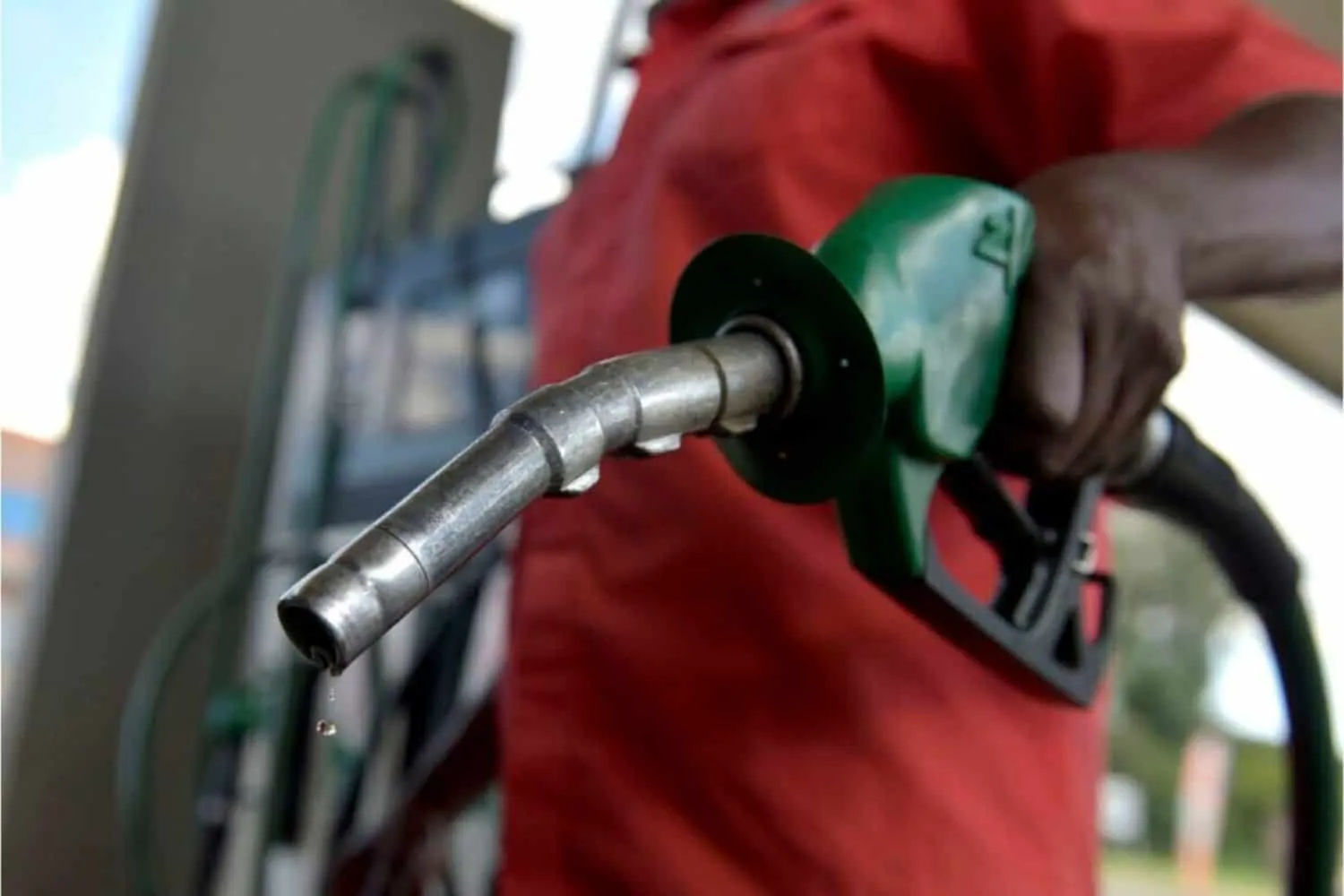
Organised labour in South Africa has strongly criticised recent fuel price increases, describing them as yet another blow to the working class and the economy. The price of petrol has, for the first time, exceeded R30 per litre in some areas, including Gauteng. This sharp increase is largely attributed to the ongoing conflict in the Middle East. The Congress of South African Trade Unions (Cosatu) and the South African Federation of Trade Unions (Saftu) have expressed concerns about the impact on workers and the economy.
The Department of Mineral and Petroleum Resources announced a significant price hike of R3.33 per litre for 95 unleaded petrol and R3.12 for 93 unleaded petrol. Diesel prices have also increased, with the wholesale price of diesel (0.05% sulphur content) rising by R2.84 per litre and diesel with 0.005% sulphur by R3.24. These increases come on the heels of the South African Reserve Bank (SARB) hiking the interest rate by 25 basis points. The SARB's move was aimed at curbing inflation, which has been driven partly by the rising fuel costs.
Cosatu parliamentary coordinator Matthew Parks stated that the fuel price increase is not just a fuel issue but a broader cost-of-living crisis. He noted that workers spend up to 30% of their wages on transport, and a R3 per litre hike effectively wipes out wage increases. Parks added that the increases will likely push taxi and bus fares up and make food more expensive for working-class families. The union is part of the powerful Tripartite Alliance, which includes the African National Congress (ANC) and the South African Communist Party (SACP).
The fuel price shock has been compounded by the end of a temporary reduction in the fuel levy by R3 per litre, which was introduced earlier. Cosatu has characterised this as a "tragedy". Parks stated that the union will engage with parliament and government to push for further relief to workers, commuters, and businesses. He emphasised that while the conflict in the Persian Gulf cannot be controlled, the government can take steps to protect South Africans, particularly the working and middle classes.
Zwelinzima Vavi, general secretary of Saftu, also highlighted the struggles faced by citizens due to the rising cost of living. He noted that the pain at the pumps is just the beginning of the stress for consumers, as higher fuel costs will have a domino effect on various industries, including agriculture, mining, and manufacturing. Vavi stressed that the higher operating costs will be passed down to consumers, potentially leading to reduced working hours or retrenchments in small businesses and informal sectors.
Vavi added that small businesses, such as spaza shops, street traders, and survivalist businesses, cannot absorb repeated increases in fuel, electricity, rent, and other costs. He called on the government to provide relief, which can be funded through measures such as strengthening tax collection. The government has yet to comment on the surge in prices or unveil a plan to cushion consumers, but growing calls for intervention may prompt a statement or announcement soon.
The fuel price increases have significant implications for the economy, which is already struggling with a deepening cost-of-living crisis. The rising costs are likely to drive food prices up and further plunge millions of workers into debt. The government faces growing pressure to intervene and provide relief to affected consumers. President Cyril Ramaphosa, Finance Minister Enoch Godongwana, and Mineral Resources and Energy Minister Gwede Mantashe have yet to comment on the issue.
Key points
- Organised labour in South Africa criticises fuel price hikes, citing increased stress on the working class and potential economic impacts.
- The fuel price increases are attributed to the ongoing conflict in the Middle East and have significant implications for the economy.
- The government faces growing pressure to intervene and provide relief to affected consumers.