The Tanzania Communications and Information Technology Regulatory Authority (TCRA) is making significant strides in enhancing digital inclusion for people with disabilities. Through its Change Initiative under the Institutional Policy and Regulatory Framework for Information and Communication Technology (iPRIS) project, TCRA aims to improve access to digital services for people with disabilities. This initiative focuses on promoting the use and integration of assistive technologies to make digital platforms more accessible.
TCRA is currently participating in the eighth monitoring phase of the iPRIS group, taking place in Nairobi, Kenya, from October 5 to 9, 2026. This five-day meeting brings together experts and representatives from regulatory authorities and organizations in Liberia, Mauritius, Namibia, Sierra Leone, Tanzania, and Zimbabwe, as well as regional regulatory bodies and European counterparts. The primary objective is to review the progress of national change initiatives, exchange regulatory experiences, and seek practical solutions to emerging digital challenges.
The Change Initiative of TCRA, led by Director General Engineer Peter Mwasalyanda, has achieved 80% completion. The first six months focused on stakeholder engagement and the integration of assistive technologies to improve the accessibility of the TCRA website. These efforts have earned TCRA recognition from the Tanzania Bureau of Standards (TBS) for implementing the new Tanzanian standard on accessibility of communication and ICT products and services for people with disabilities.
In the next six months, TCRA will concentrate on benchmarking and developing methods to evaluate website accessibility. Collaboration among regulatory authorities will be crucial in successfully implementing this plan. The project aligns with TCRA's Strategic Goal D, which aims to improve the availability, affordability, and quality of regulated communication services, ultimately promoting the inclusion and participation of people with disabilities in the digital economy.
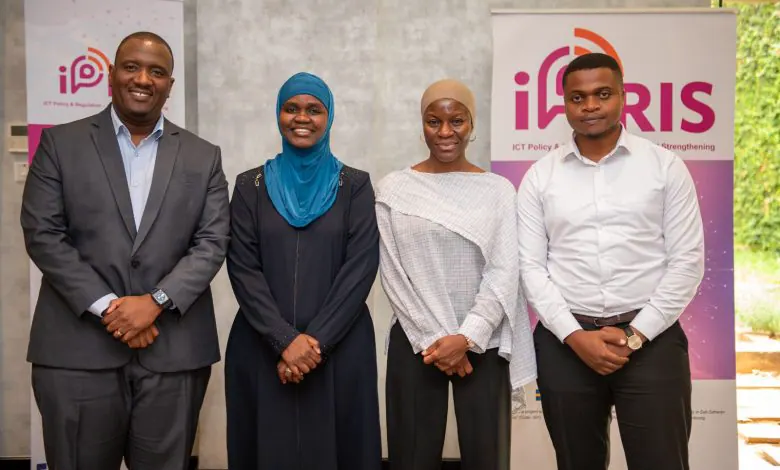
The TCRA delegation to the Nairobi meeting includes Mwapwani Mbaraka Mnzava, Sophia Nahoza, Brian Marcus Kalinga, and Bernard Frank Mosha, who are involved in implementing the Change Initiative. This initiative seeks to "Enhance Digital Inclusion of People with Disabilities (PwD) through the Use and Integration of Assistive Technology (AT)." Through this experience-sharing meeting, Tanzania's delegation is sharing its experiences and learning from other regulatory authorities on approaches to enhancing the accessibility of digital services.
According to TCRA, which cites data from the National Bureau of Statistics (NBS), over 11.2% of people aged seven and above were living with some form of disability in 2022. This highlights the importance of ensuring that digital services are accessible to all. Barriers in website design and digital platforms can hinder access to information, education, employment, and other opportunities. Assistive technologies, such as screen readers and accessible digital interfaces, can help address these challenges and empower people with disabilities to become more independent and participate in social and economic activities.
TCRA has already begun making improvements to the accessibility of its website and services. The authority has also engaged with disability organizations in Tanzania to raise awareness about assistive technologies and better understand the challenges faced by people with disabilities when using digital services. Furthermore, an ongoing data collection exercise is exploring the availability of assistive technologies through mobile network services to help further improve these services.
Key points
- TCRA's Change Initiative aims to improve access to digital services for people with disabilities through the use and integration of assistive technologies.
- The initiative has achieved 80% completion and will focus on benchmarking and evaluating website accessibility in the next six months.
- The project aligns with TCRA's Strategic Goal D to improve the availability, affordability, and quality of regulated communication services for people with disabilities.