Tanzanian President Samia Suluhu Hassan has emphasized the need for stronger cooperation among African countries to improve maternal and child health, prepare for climate-related health risks, and strengthen the continent's ability to respond to future health emergencies. She made this call during a meeting with World Health Organization (WHO) Director-General Dr. Tedros Adhanom Ghebreyesus at State House in Dar es Salaam on October 5, 2026. The meeting focused on several health priorities affecting Tanzania, Africa, and the wider international community.
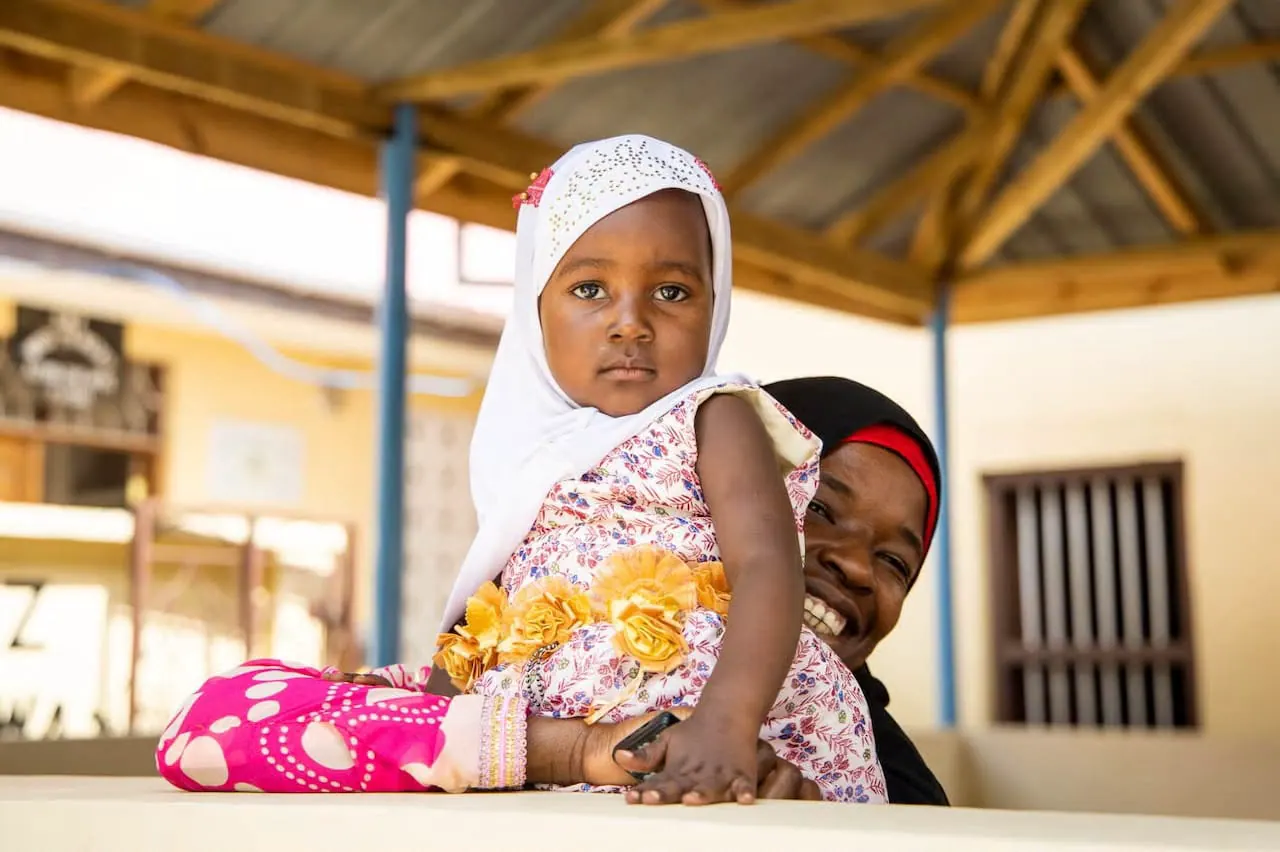
President Samia highlighted the importance of implementing the Global Strategy for Women's, Children's and Adolescents' Health, alongside related health initiatives covering mothers, newborns, children, and young people. She also asked for greater attention to children's health, emphasizing the need to ensure that children receive the care and support necessary to grow and develop. Furthermore, Samia requested WHO's continued support for African countries in tackling malnutrition and strengthening the availability of essential health services.
The call for cooperation comes as Tanzania and other countries in the region prepare for the health and humanitarian risks associated with the 2026 El Niño season. Tanzania's Meteorological Authority has warned that the October-to-December rainfall season is expected to be strongly influenced by El Niño, with some parts of the country forecast to receive normal to above-normal rainfall. Tanzanian authorities have already begun preparations for possible effects, including flooding and damage to infrastructure.
President Samia also emphasized the importance of cooperation between African countries in responding to health risks that can cross national borders, particularly those associated with climate and extreme weather events. She welcomed WHO's continued partnership with Tanzania and asked the organization to maintain its support for the country's health priorities. This cooperation is crucial in addressing health emergencies and strengthening preparedness for future outbreaks.
Dr. Tedros praised Tanzania's health leadership and its work in implementing the Global Health Security Agenda. He also highlighted Tanzania's contribution to international health cooperation, including its participation in efforts to strengthen preparedness for pandemics and other health emergencies. The two leaders discussed the WHO Pandemic Agreement, which was adopted by WHO member states in May 2025.
The WHO Pandemic Agreement establishes a framework intended to strengthen international preparedness and coordination for future pandemics. WHO has emphasized that implementation will be carried out by countries in accordance with their national laws and that the agreement does not give the WHO Secretariat authority to impose lockdowns, vaccination, or mask mandates. Tanzania has previously expressed support for international cooperation on pandemic preparedness.
The meeting between President Samia and Dr. Tedros comes as Tanzania balances longer-term health priorities, including maternal and child health, with preparations for climate-related risks and the need to strengthen systems capable of responding to future outbreaks. Tanzania's cooperation with WHO during the 2025 Marburg virus outbreak was also praised, with WHO crediting the country's rapid response and coordination with helping contain the outbreak.
Key points
- Tanzania's President Samia Suluhu Hassan calls for stronger African cooperation to improve maternal and child health.
- The 2026 El Niño season poses significant health and humanitarian risks to Tanzania and other countries in the region.
- Tanzania and WHO have a strong partnership in addressing health priorities, including pandemic preparedness and response.