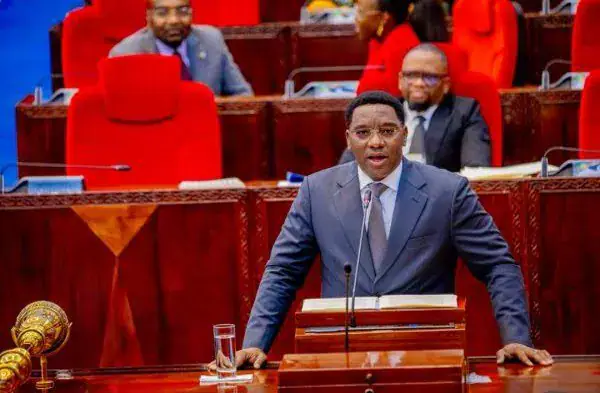
Tanzania's parliamentary calendar has brought two significant issues to the forefront: the country's democratic image and its confrontation with the violence and fear associated with the October 29, 2025 election. The Fifth Meeting of Parliament, scheduled from October 27 to November 6, 2026, has intertwined legislative business with a public argument over remembrance, accountability, and national healing. This session's timing gives it significance beyond routine debate, as lawmakers will consider local government legislation and agricultural spending, issues with immediate consequences for services, livelihoods, and public trust.
The anniversary of last year's election violence is shaping the political atmosphere, with the contest revolving around how Tanzania should acknowledge the deaths and suffering associated with the 2025 election period. Proposals for a National Day of Mourning have become a test of political judgement, with supporters arguing it could recognise bereaved families and give survivors space to grieve. Others may fear that a formal commemoration could intensify divisions or become a platform for competing political claims. A commission of inquiry led by retired Chief Justice Mohamed Chande Othman reported at least 518 deaths and recommended a National Day of Mourning.
Human Rights Watch has separately documented killings and called for credible investigations, while other figures circulating in public debate remain contested and cannot all be treated as independently verified. The responsible course is to distinguish confirmed findings, documented cases, official estimates, and claims made by political actors. Numbers should not be inflated for effect, but uncertainty must not become an excuse for silence. Where deaths have been documented, families deserve answers about the circumstances, the conduct of security agencies, and the prospects for accountability.
Tanzania hosted the Inter-Parliamentary Union's 153rd Assembly in Arusha from October 5 to 9, bringing parliamentary representatives together under a theme focused on good governance, inclusive communities, trust, and opportunities for all. Hosting an event of that scale was a diplomatic achievement and an opportunity to present Tanzania as an active participant in global parliamentary cooperation. However, international visibility cannot, by itself, settle domestic concerns about political competition, civil liberties, and the treatment of citizens.
The dispute over the October 29 election violence centres on how the country should acknowledge the deaths and suffering associated with the election period. A National Day of Mourning would not, on its own, deliver justice, nor should it be presented as a substitute for investigation, remedy, or institutional reform. Commemoration and accountability serve different purposes: one recognises loss, while the other establishes facts and responsibility. Tanzania can debate the form and timing of an observance while still committing itself to credible investigations, respectful treatment of bereaved families, and safeguards against future abuses.
The parliamentary exchange attributed to CCM legislator Paul Makonda illustrates the political tension, but the exact wording and context require confirmation against the official Hansard or a recording before publication as a direct quotation. The reported disappearance of Chadema youth organiser Twaha Salim Mwaipaya in Kenya has added another troubling layer to public debate, with reports published in late October saying he was allegedly abducted in the Kamulu area of Machakos County and that his whereabouts were unknown.
The wider question remains even if the reported exchange is confirmed: international parliamentary prestige can support a country's reputation, but reputation is sustained by how institutions behave when scrutiny is uncomfortable. If the IPU's language of trust, inclusion, and good governance is to carry weight, those principles must be visible in the handling of dissent, the protection of political rights, and the treatment of citizens who ask for answers. Ceremonial success and domestic accountability should reinforce one another rather than compete.
Key points
- Tanzania's parliament is debating a National Day of Mourning for the victims of the 2025 election violence.
- The country's hosting of the Inter-Parliamentary Union's 153rd Assembly has brought attention to its democratic image.
- The debate over commemoration and accountability highlights the tension between recognising loss and establishing facts and responsibility.