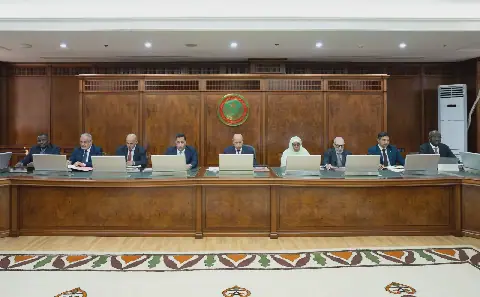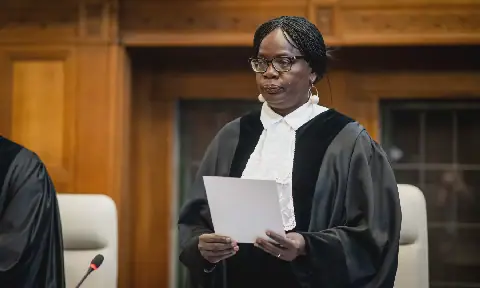
In a landmark decision on November 3, 2026, the High Court of Tanzania declared regulations allowing corporal punishment in schools unconstitutional. The court found that the provisions, which permitted teachers to cane pupils, contravened Articles 12(2) and 13(6)(e) of the Constitution. These articles guarantee human dignity and prohibit cruel, inhuman or degrading treatment or punishment. The ruling was delivered by a three-judge panel comprising Justices Amir Mruma, Hassan, and Irene Musokwa.
The case was brought to court in 2025 by Samweli Maduhu Mangu against the Minister for Education, with support from the Legal and Human Rights Centre (LHRC). The petition was filed on behalf of the guardian of Mhoja Maduhu, a Form Two student who died on February 26, 2025, after allegedly being caned by a teacher at Mwasamba Secondary School. A post-mortem examination established that Mhoja died from bleeding inside the skull following an injury caused by a blunt object. This incident reignited calls for an end to corporal punishment in learning institutions.
Before the ruling, the 2002 regulations permitted teachers to administer corporal punishment under specified circumstances, including serious disciplinary offences. The regulations set conditions for its administration, requiring teachers to consider the seriousness of the offence, the pupil's age, sex, and health, while limiting punishment to a maximum of four strokes on any one occasion. However, the court found these provisions to be unconstitutional, paving the way for a re-evaluation of disciplinary measures in schools.
The invalidation of Regulations 2, 3, and 6 of the Education (Corporal Punishment) Regulations marks a significant change in the legal framework governing school discipline. This raises questions about how learning institutions will maintain order without physical punishment. Lawyer Hans Ndengize, involved in the case, highlighted the need for alternative disciplinary measures that promote positive behaviour and child development. The Ministry of Education is now responsible for implementing the necessary changes.
Stakeholders are calling for schools to adopt disciplinary approaches that correct misconduct without exposing pupils to physical or psychological harm. National Coordinator of Women in Law and Development in Africa (WiLDAF), Anna Kulaya, advocates for constructive disciplinary measures that encourage responsibility while helping pupils understand the consequences of their actions. She suggests alternative punishments, such as additional classroom questions or school environmental cleaning duties.
The ruling has been welcomed by education and human rights organisations, including the Tanzania Education Network (TEN/MET). These organisations had demanded stronger safeguards against excessive punishment and the adoption of alternative disciplinary approaches. The government's initial challenge to the case on procedural grounds was dismissed by the court on June 1, 2026, paving the way for a substantive hearing.
As the Ministry of Education reviews the regulations, schools will need to develop new strategies for maintaining discipline. The court's decision aligns with international trends, such as South Africa's abolition of corporal punishment in schools. The focus is now on implementing alternative disciplinary measures that promote a safe and supportive learning environment.
Key points
- The High Court of Tanzania has ruled that corporal punishment in schools is unconstitutional.
- The ruling follows a petition filed in 2025 after a student died allegedly from caning by a teacher.
- The Ministry of Education is now responsible for implementing alternative disciplinary measures.