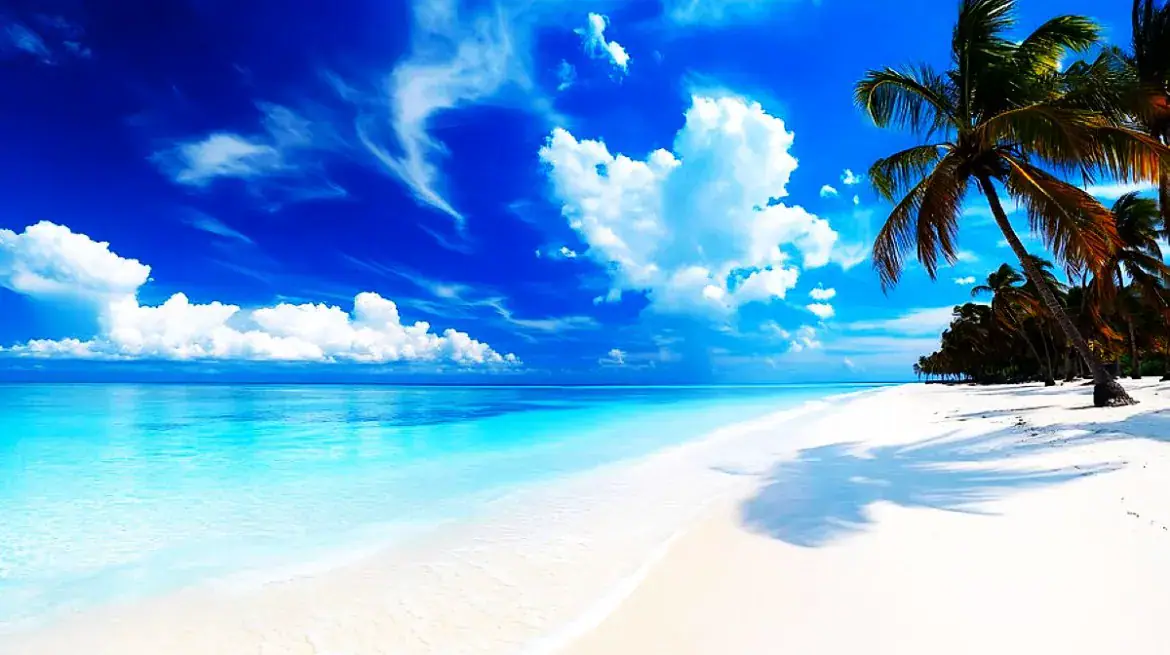
Tanzania boasts a 1,424-kilometer Indian Ocean coastline, stretching from its border with Kenya to Mozambique. The country's coastline has the potential to support resort cities, marinas, sailing tourism, and high-value hospitality businesses. However, a government audit found that 71 of 79 identified beach tourism sites remained undeveloped as of October 2023. This is despite the country's tourism industry showing significant growth, with 2.3 million international tourist arrivals in 2025.
The underdevelopment of Tanzania's mainland coastal tourism is particularly surprising given the country's natural advantages. The coastline features warm Indian Ocean waters, tropical islands, extensive beaches, coral reefs, and mangrove forests. Additionally, the coast is positioned along international maritime routes and relatively close to established tourism source markets in East Africa, the Middle East, and Europe. Dar es Salaam, the country's largest city, provides an existing metropolitan customer base for beach clubs, boating, and waterfront entertainment.
A developed coastal economy could support a wide range of industries, including construction, marine engineering, and hospitality. These activities would generate different forms of income and employment, while also stimulating demand for locally produced goods and services. The economic issue extends well beyond international tourists occupying hotel rooms, and a developed coastline could provide significant benefits for the local economy.
The Controller and Auditor General's performance audit on the management of beaches found that 89% of identified beach sites had not been developed and utilized for tourism. The audit revealed that these areas possessed natural features suitable for swimming, snorkeling, diving, and other recreational activities but lacked the necessary infrastructure and investment arrangements. Several sites were being used for small-scale agriculture, livestock keeping, and salt production.
Tanzania's National Development Vision 2050 targets a $1 trillion economy and identifies the blue economy as a source of future growth. The government's Long Term Perspective Plan recognizes substantial opportunities in fisheries, aquaculture, tourism, and marine transport. However, translating these natural resources into economic output requires more than recognizing their existence in national planning documents.
The country's tourism industry has shown significant growth in recent years, with international tourism earnings reaching $4.41 billion in 2025. The 2025 International Visitors' Exit Survey reported 2.3 million international tourist arrivals, compared with 2.1 million in 2024. Average expenditure per visitor per night rose from $243 to $289. These figures demonstrate that Tanzania already attracts substantial international demand.
To develop its coastline, Tanzania must establish which commercial activities can be developed competitively, where investments should be located, and how local communities will participate in the resulting economic activity. The government must also provide the necessary infrastructure, investment arrangements, and services to support the development of the coastline. With the right planning and investment, Tanzania's coastline could become a major source of employment, private investment, and sustained visitor spending.
Key points
- 89% of identified beach sites in Tanzania remain undeveloped.
- Tanzania's coastline has the potential to support resort cities, marinas, and high-value hospitality businesses.
- The country's tourism earnings reached $4.41 billion in 2025.
Reporting sources
- Tanzania’s 1,424 Kilometers of Indian Ocean Coastline remain long stretch of untapped wild beaches · The Tanzania Times – News from Tanzania, Africa, World, Breaking News, Weather, Environment and Climate Change