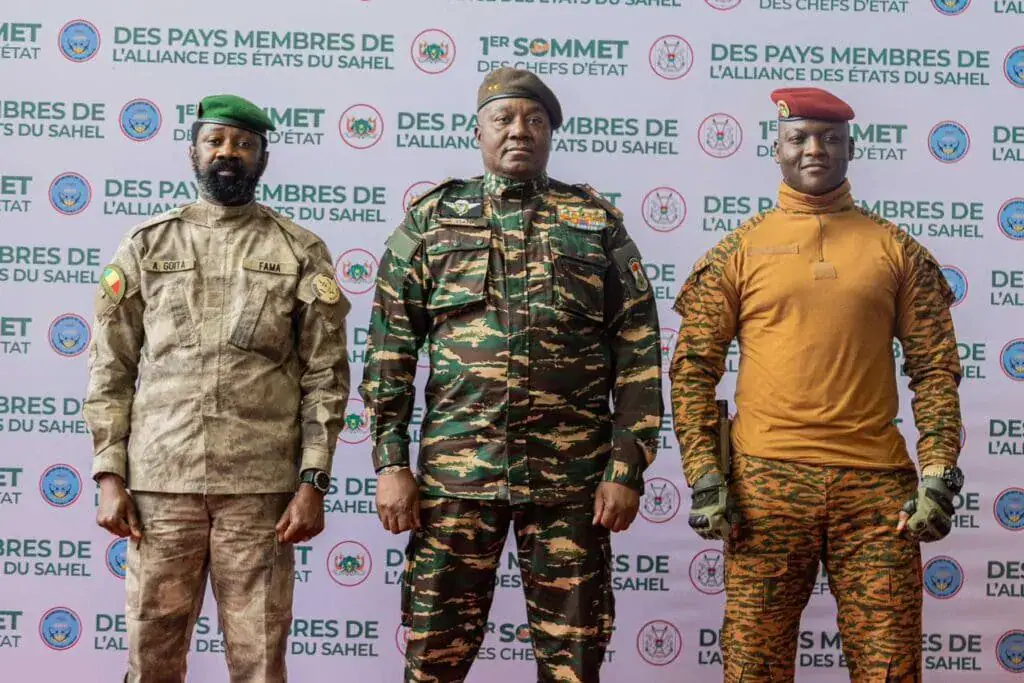
The Sahel Alliance, comprising Mali, Niger, and Burkina Faso, concluded an extraordinary session in Ouagadougou on November 11-12. The meeting, chaired by Burkinabé Minister of State for War and National Defense General Célestine Simporé, addressed pressing regional issues. The ministers expressed disappointment over the mass and uncoordinated expulsions of African nationals from Guinea. They also criticized the European Union's ongoing interference in the internal affairs of African countries.
The ministers acknowledged Guinea's need to enforce its laws but condemned the manner in which the procedures were carried out. They appreciated the Malian authorities for facilitating the transit and reception of Burkinabé citizens. According to the Burkinabé National Relief Agency (CONASUR), 45,406 returnees had been registered by November 12, including 8,270 who arrived on that day alone. This represents a significant increase from the 37,136 registered on the previous day.
The ministers reviewed the implementation of the "Year Two Roadmap" adopted in February, focusing on defense, diplomacy, and development. They welcomed what they described as "tangible progress" in its execution. The ministers also denounced terrorist attacks in the three countries, paying tribute to the victims and defense and security forces. Furthermore, they expressed condolences to General Abdourahamane Tiani for the loss of his father.
The Sahel Alliance ministers raised concerns about the European Union's actions, which they perceive as interference. This sentiment comes after Niger summoned the European chargé d'affaires on November 9 to protest EU statements requesting clarification on the deployment of Algerian military units in Niger. The ministers' recommendations will be presented to the heads of state of the three countries.
The wave of returns from Guinea follows a crackdown by Conakry on illegal gold mining. The ministers urged citizens not to pay any money to collectors working on behalf of the Confederation without official authorization. This move aims to prevent unauthorized fundraising and ensure that citizens are aware of legitimate channels.
The Sahel Alliance's efforts to address regional challenges are ongoing. The ministers' meeting in Ouagadougou reflects the alliance's commitment to cooperation and coordination on key issues affecting the region. The next meeting of the council of heads of state has not been scheduled yet.
The Sahel region faces numerous challenges, including terrorism, migration, and economic development. The alliance's focus on defense, diplomacy, and development aims to address these challenges and promote stability in the region. The ministers' discussions in Ouagadougou demonstrate the alliance's determination to work together to overcome these challenges.
Key points
- 45,406 returnees registered from Guinea by November 12
- Sahel Alliance ministers criticize EU's continuous intervention in African affairs
- Ministers urge citizens not to pay unauthorized collectors working on behalf of the Confederation