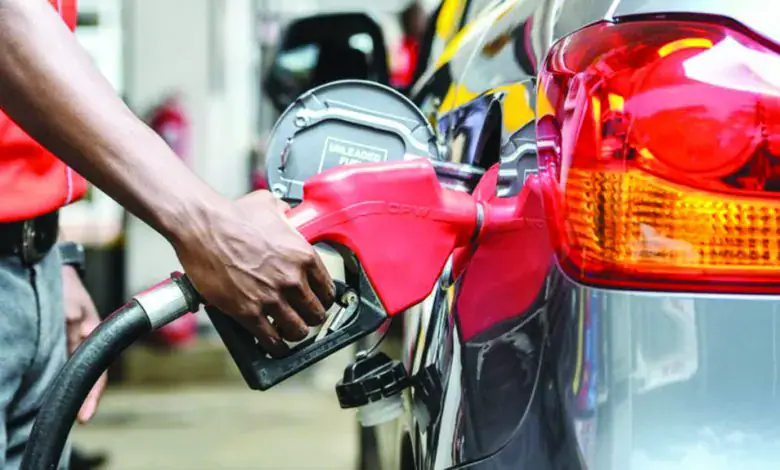
The Tanzanian government has announced measures to alleviate the impact of rising fuel prices, including providing subsidies to protect consumers and reduce the financial burden on economic activities. This move aims to ensure that despite global market challenges, Tanzanians can access reliable fuel supplies at affordable prices. The government's efforts focus on mitigating the effects of higher shipping and insurance costs resulting from the ongoing Middle East conflict.
According to the Energy and Water Utilities Regulatory Authority (EWURA), fuel prices in Tanzania increased in November 2026 due to the mentioned higher costs. This increase occurred despite a slight decline in international refined petroleum product prices in October compared to September 2026. The government has taken steps to ensure a reliable supply of petroleum products across the country while introducing subsidies to ease the financial burden on fuel consumers.
EWURA announced new indicative maximum retail prices that took effect on November 4, 2026. In Dar es Salaam, petrol is selling at a maximum of 4,083/- per litre, diesel at 4,128/-, and kerosene at 4,117/-. The government continues to monitor developments in the global oil market to take measures that will cushion citizens and productive sectors against the impact of rising fuel costs.
Despite the increase, fuel prices in Tanzania remain lower than those in some neighbouring countries within the East African Community (EAC) and the Southern African Development Community (SADC). The government's priority is to ensure a reliable supply of petroleum products while keeping fuel prices affordable for consumers and the economy.
The measures are aimed at ensuring that Tanzanians continue to access reliable fuel supplies at affordable prices despite ongoing challenges in the global market. The government said it would continue monitoring developments in the global oil market and take measures to cushion citizens and productive sectors against the impact of rising fuel costs.
According to EWURA, the government's efforts focus on mitigating the effects of higher shipping and insurance costs on production, transportation, and overall economic activities. The subsidies aim to reduce the financial burden on fuel consumers and the wider economy.
The Tanzanian government's proactive approach to addressing the impact of rising fuel prices demonstrates its commitment to protecting consumers and supporting economic activities. The government's measures will continue to ensure a reliable supply of petroleum products while keeping fuel prices affordable for consumers and the economy.
Key points
- The Tanzanian government has introduced subsidies to ease the financial burden on fuel consumers and the wider economy.
- Fuel prices in Tanzania remain lower than those in some neighbouring countries within the East African Community (EAC) and the Southern African Development Community (SADC).
- The government's priority is to ensure a reliable supply of petroleum products while keeping fuel prices affordable for consumers and the economy.