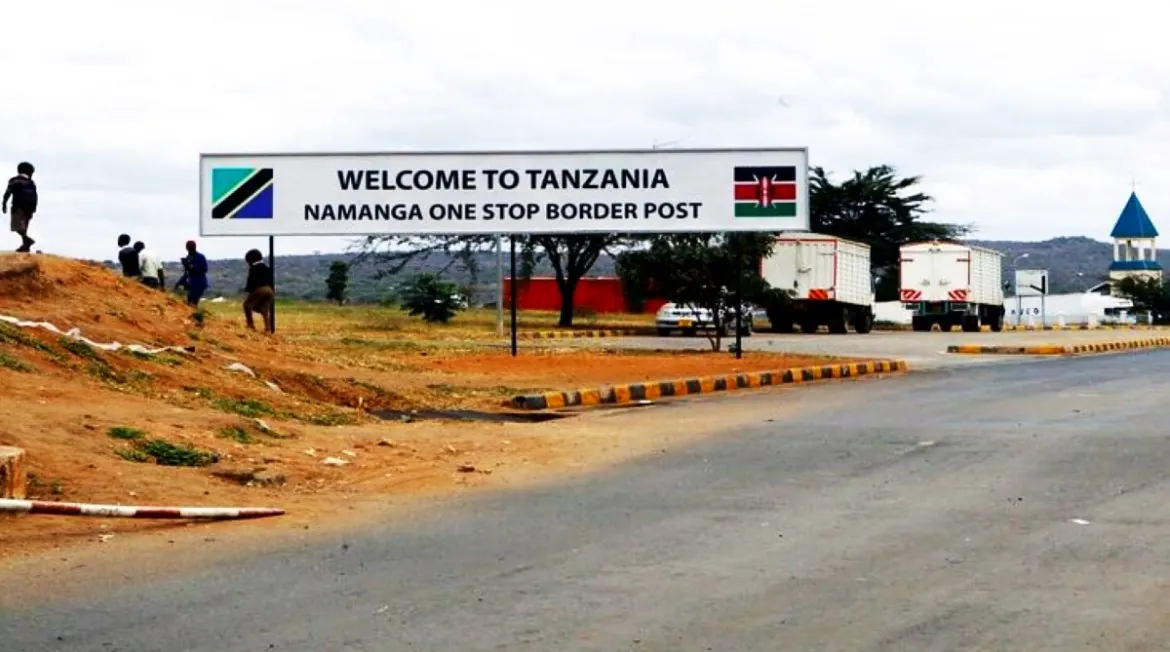
Health officials in Tanzania are expressing concern following the confirmation of Kenya's first imported case of the Ebola Virus Disease. The case was announced by Kenyan Health Cabinet Secretary Aden Duale on October 6, 2026, after a Kenyan patient, who had lived in the Democratic Republic of Congo for about seven years, returned home through Uganda and later died in Nairobi while receiving treatment.
The patient had developed illness about a month before returning to Kenya and had received treatment at several health facilities in the DRC. He traveled by road to Uganda before taking a flight to Nairobi on October 3, 2026, and was isolated and tested positive for the Bundibugyo virus upon arrival. Kenyan authorities have identified 28 people who had direct contact with the patient, including relatives and healthcare workers, and are tracing passengers and crew members connected to his journey from Uganda to Nairobi.
The Kenyan Ministry of Health had been preparing for such a possibility, strengthening screening at airports and land borders, expanding laboratory capacity, and training healthcare workers in Ebola preparedness. In June 2026, the ministry reported that more than 71,000 travelers had been screened and 22 Ebola alerts investigated, with all tests negative at the time. Over 1,000 healthcare workers had also received specialized Ebola preparedness training.
The confirmation of Kenya's first Ebola case has triggered intensified contact tracing rather than a declaration of widespread transmission in Kenya. Authorities are monitoring the identified contacts for 21 days, the period used to observe whether symptoms develop following potential exposure. The approach aims to detect any additional infections early and prevent possible onwards transmission.
Tanzania has reasons to be concerned, given the high volume of movements and interactions between the country and Kenya. The regional outbreak, which began in the eastern Democratic Republic of Congo, has already crossed several national borders. The DR Congo had recorded 8,544 confirmed cases and 4,114 deaths, giving a 48.2 percent case-fatality rate, while Uganda had recorded 20 confirmed cases and two deaths before ending its outbreak response.
The World Health Organization noted that Uganda had not reported new cases since June 2026 and subsequently declared the outbreak over in August 2026. Kenya's first case adds another layer to an outbreak whose regional dimension has been shaped by cross-border travel, trade, and movement of people. The key public-health question in Kenya is whether the infection has generated any secondary transmission.
The Ministry of Health in Kenya has advised members of the public to maintain basic hygiene, including regular handwashing or the use of alcohol-based hand sanitizer, and to avoid close contact with people who are sick and may have recently traveled from areas experiencing active Ebola transmission. People who become unwell are encouraged to seek care at recognized health facilities and report suspected cases.
Key points
- The Kenyan patient who died from Ebola had lived in the Democratic Republic of Congo for about seven years before returning home through Uganda.
- Kenya had strengthened screening at airports and land borders and trained over 1,000 healthcare workers in Ebola preparedness before the first case was confirmed.
- The regional Ebola outbreak, which began in the eastern Democratic Republic of Congo, has recorded 8,544 confirmed cases and 4,114 deaths in the DR Congo.