Tanzania has made significant progress towards achieving universal healthcare under President Samia Suluhu Hassan's leadership. Her administration has prioritized healthcare, focusing on expanding health facilities, recruiting medical personnel, and improving medicine and equipment availability. These efforts aim to make medical treatment more affordable and accessible to all Tanzanians, particularly vulnerable households and communities. The reforms reflect a broader ambition to prevent financial hardship due to medical costs.
A major milestone in this effort was the implementation of Universal Health Insurance, which began on January 26, 2026. This initiative, a key pledge by President Samia, aims to protect households from medical expenses. The first phase covers 276,004 vulnerable households, approximately 1.46 million people, including older individuals, children, pregnant women, and persons with disabilities. The government finances their insurance premiums, ensuring they can access essential healthcare without financial strain.
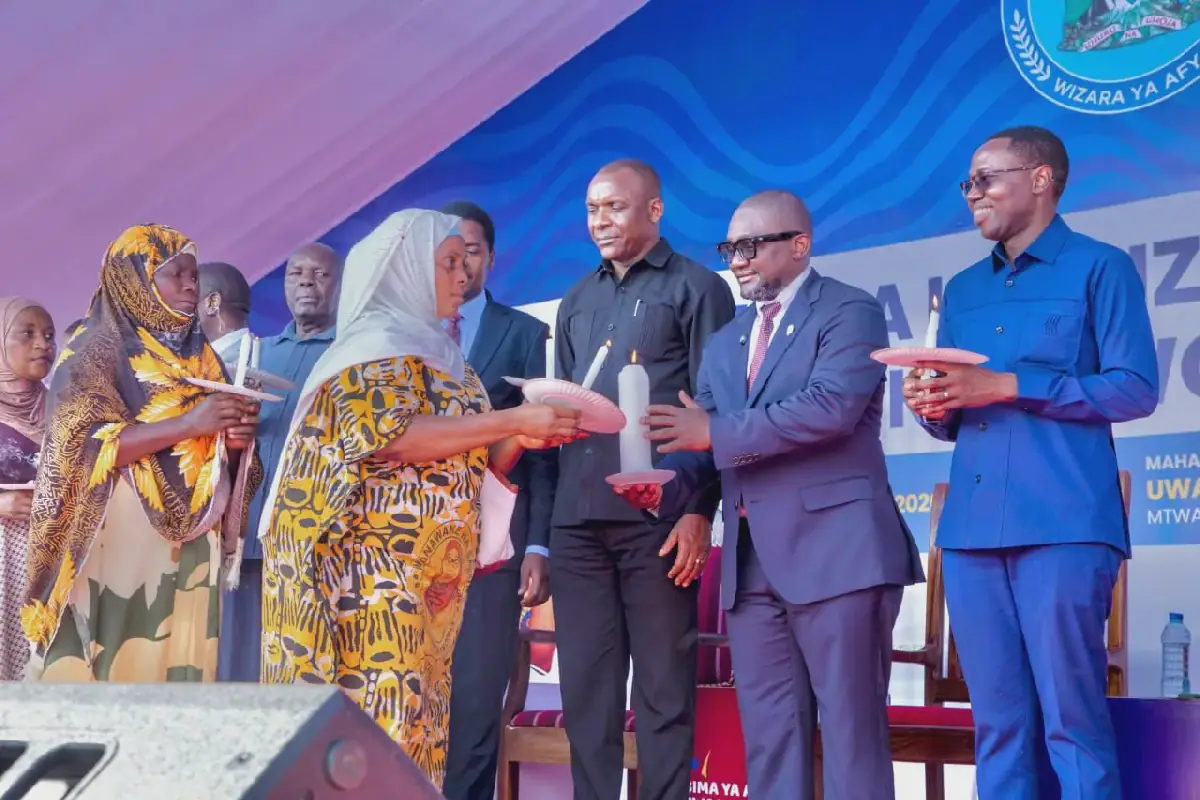
The second phase of the Universal Health Insurance program was launched in Mtwara, targeting 625,000 households that cannot afford health insurance. This phase extends financial protection to families vulnerable to illness costs. The program's success depends on effective registration, public awareness, adequate financing, and health facilities' capacity to provide services to enrolled beneficiaries. Its impact will be significant in making healthcare financing more equitable.
President Samia's address to the 13th Parliament in November 2025 highlighted her administration's commitment to healthcare reforms. She called on Members of Parliament to support these reforms, describing them as crucial for improving access to quality healthcare. The President also outlined plans to digitally connect health facilities and ensure they have appropriate equipment and services according to their levels.
The Ministry of Health has reported a significant increase in health facilities, from 10,153 in the 2021/22 financial year to 13,683 by March 2026. This expansion includes 119 district hospitals, 649 health centers, and over 2,700 dispensaries. As a result, over 85 percent of Tanzanians live within five kilometers of a health facility, an improvement that is particularly beneficial for rural communities.
The recruitment and deployment of health workers have also been crucial in the government's efforts. Between July 2025 and March 2026, 5,000 health workers were recruited, bringing the total health workforce to 182,430 nationwide. Of these, 142,794, or 78 percent, serve at the primary healthcare level. Continued recruitment and equitable deployment are necessary to address staffing shortages.
Investment in medical equipment and medicines has also strengthened health facilities' capacity to diagnose and treat patients. Over 85 percent of health centers and dispensaries have been improved and supplied with essential diagnostic and treatment equipment. The government has increased funding for medicines and medical supplies, with the allocation rising from 200bn/- to 398.2bn/-.
Key points
- President Samia's administration has made significant strides in healthcare, including expanded health facilities and personnel.
- The Universal Health Insurance program aims to protect households from medical expenses.
- Continued recruitment and equitable deployment of health workers are necessary to address staffing shortages.