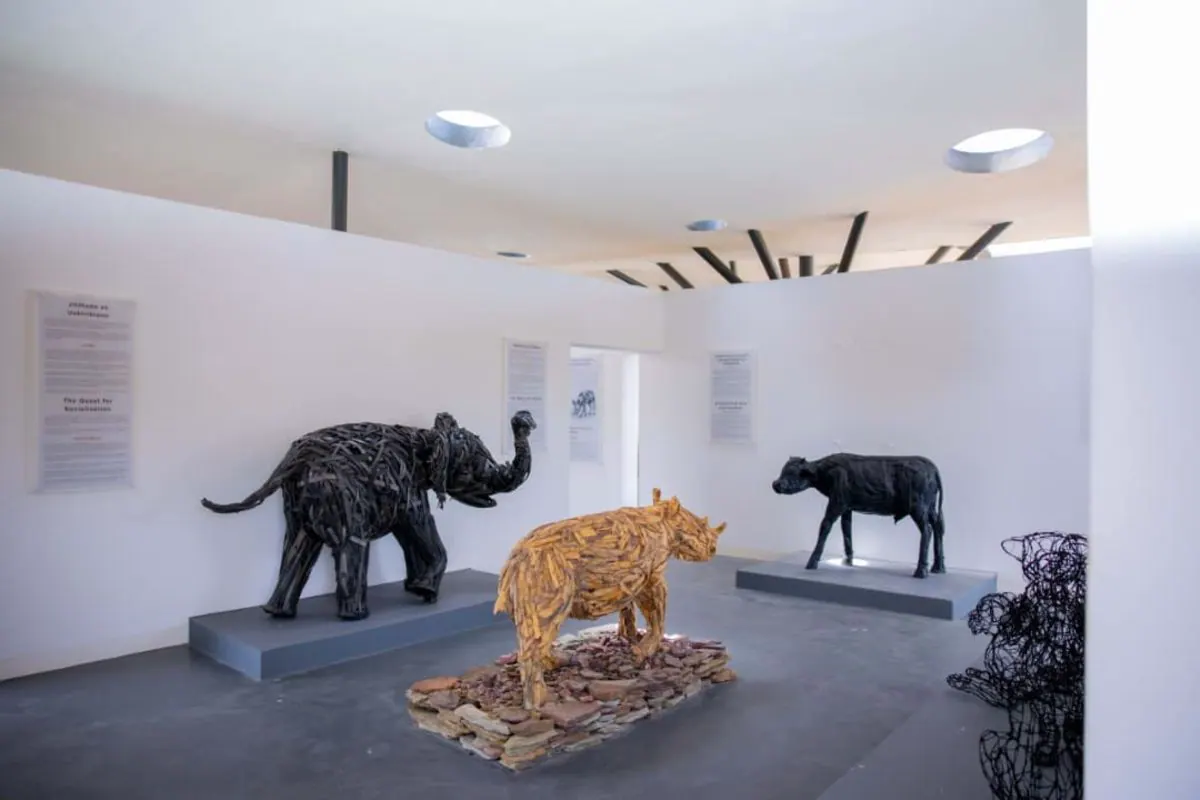
The Serengeti National Park in Tanzania has marked its 75th anniversary with the launch of a modern visitor information centre. The centre, located in Seronera, was officially opened on October 7, 2026, by Deputy Minister for Natural Resources and Tourism Hamad Hassan Chande. The launch coincided with celebrations marking the park's 75th anniversary. The visitor centre is part of the Serengeti Ecosystem Development and Conservation Project, aimed at strengthening conservation education and improving tourists' experiences.
The visitor centre was designed with environmental sustainability in mind, featuring rainwater harvesting systems and measures to reduce carbon emissions. Deputy Minister Chande emphasized that the centre would serve as a platform for educating tourists, local communities, and future generations about their responsibility to protect wildlife and the environment. He highlighted the importance of collective responsibility in protecting Tanzania's natural heritage, citing the conservation philosophy championed by the country's founding father, Mwalimu Julius Nyerere.
The project was funded by the German Government through KfW Development Bank and implemented by the Tanzania National Parks Authority in collaboration with the Frankfurt Zoological Society. The centre is expected to provide visitors with a deeper understanding of the Serengeti ecosystem and the importance of conserving it. Tanapa Conservation Commissioner Massana Mwishawa stated that the project demonstrated the strong conservation partnership between Tanzania and Germany.
The Serengeti Visitor Centre is not just a place for tourists to rest, but a learning facility where visitors can gain a deeper understanding of the Serengeti ecosystem. The centre will provide detailed information about other protected areas in Tanzania, including successful efforts to restore species facing the threat of extinction. Mwishawa cited the recovery of the black rhino population in Serengeti as an example of successful conservation efforts.
The black rhino population in Serengeti has grown significantly since 1990, when there were only three black rhinos. Today, the population has increased to about 50, thanks to sustained protection and collaboration between Tanapa, conservation partners, and surrounding communities. Mwishawa attributed the achievement to the efforts of conservation partners and the communities.
The improved centre is expected to add value to visitors' experiences by giving them a broader understanding of Serengeti's history, wildlife, and ecosystem. Tour guide Gedion James stated that the facility would encourage tourists to spend more time in the park while deepening their understanding of the importance of responsible and conservation-focused tourism.
The German Government has provided more than €50 million over the past decade to support conservation and development within the Serengeti ecosystem. The Serengeti Ecosystem Development and Conservation Project is part of the efforts to address environmental challenges and climate change. The project has contributed to the growth of Serengeti as one of the world's important centres for ecosystem research.
Key points
- The Serengeti National Park has launched a €1.3 million visitor centre to promote conservation education and improve tourists' experiences.
- The centre was designed with environmental sustainability in mind, featuring rainwater harvesting systems and measures to reduce carbon emissions.
- The project demonstrates the strong conservation partnership between Tanzania and Germany, with the German Government providing more than €50 million over the past decade to support conservation and development within the Serengeti ecosystem.