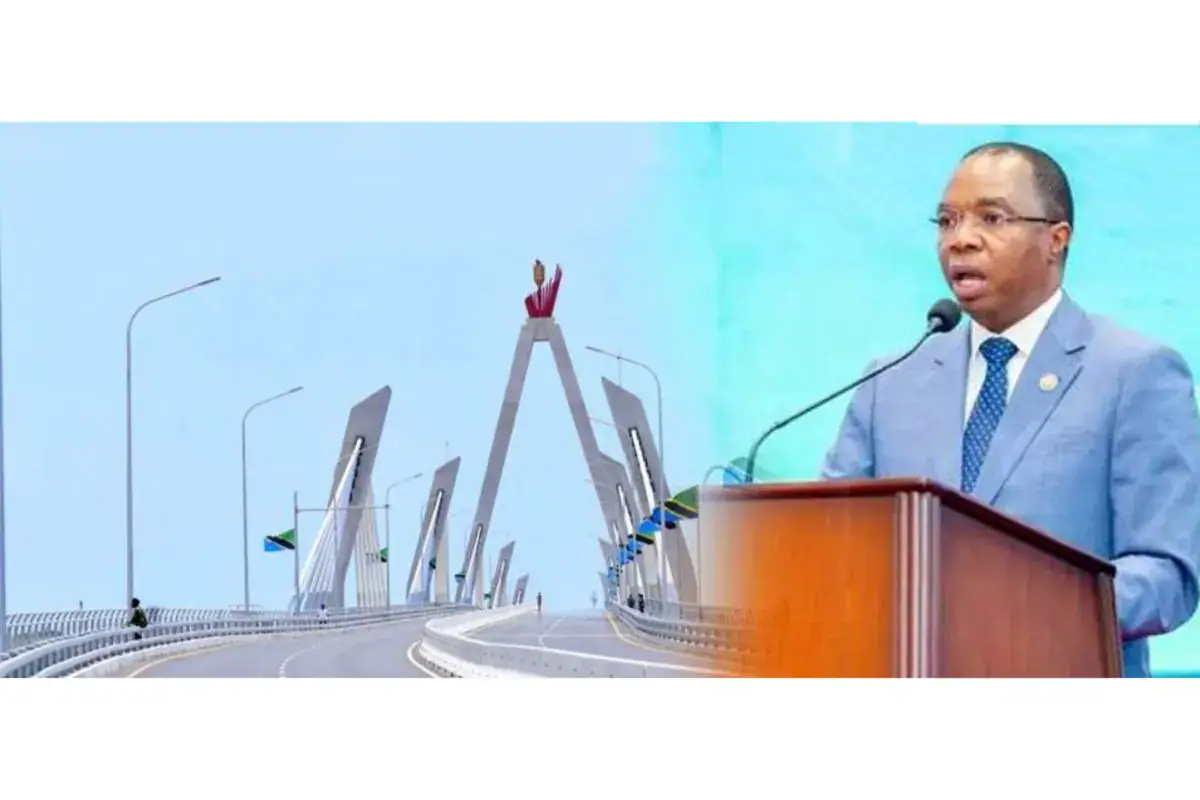
The Tanzanian government has ruled out reversing its plan to introduce tolls on selected roads and bridges across the country. The proposal by Parliament's Standing Committee on Infrastructure to charge motorists using the Tanzanite Bridge in Dar es Salaam has sparked widespread debate. The committee inspected the 1.03-kilometre Tanzanite Bridge, which connects the Aga Khan Hospital area in Upanga to Obama, Kenyatta and Toure roads.
Minister for Works Masanja Kadogosa said public opinion was part of the democratic process but did not mean the government would abandon its position. He stated that the proposed tolls were not intended to impose an additional tax burden on every citizen, but to ensure that those who directly benefit from infrastructure contribute towards its upkeep. Kadogosa cited the Kigongo-Busisi Bridge in Mwanza Region as an example of a successful toll road.
Kadogosa argued that the time and fuel savings from improved infrastructure justified asking users to contribute a modest amount towards maintaining the bridge. He said the revenue collected would help finance the construction of additional bridges, road expansion projects and the maintenance of existing infrastructure. The minister also noted that population growth, expanding businesses and increased transport activities were putting greater pressure on the country's road network.
Tanzania Truck Owners Association chairman Chuki Shabani expressed concerns that the government should consult stakeholders before introducing new revenue streams to finance road construction and maintenance. He warned that introducing additional charges without sufficient explanation could amount to double taxation. Shabani suggested that the government explore other revenue sources, including charges on foreign-registered vehicles using Tanzanian roads.
University of Dar es Salaam economics lecturer Professor Abel Kinyondo opposed the proposal, arguing that increasing tolls was not an appropriate way to stimulate economic growth. He stated that a strong economy depended on empowering citizens and the private sector to produce more goods and provide more services, rather than relying on additional levies as a source of government revenue. Kinyondo added that charging motorists to use roads built with taxpayers' money amounted to making them pay twice.
Economic analyst Oscar Mkude suggested that the government should ensure alternative routes were available before introducing tolls on roads and bridges to protect fairness and equal access for motorists. He acknowledged that road tolling was used in several countries to finance infrastructure construction and improvements, but said such arrangements should be accompanied by free alternative routes. Mkude used the Bagamoyo Road as an example of a situation where introducing tolls would be unfair.
The government plans to expand some major economic corridors into four- or six-lane highways, with the Port of Dar es Salaam currently handling an estimated 40 million tonnes of cargo. Volumes are projected to reach 62 million tonnes within the next four years, bringing more vehicles onto the roads and requiring the government to explore new ways of financing infrastructure. The expected increase in cargo volumes will put additional pressure on the country's road network.
Key points
- The Tanzanian government will not reverse its plan to introduce tolls on selected roads and bridges despite growing public opposition.
- The proposed tolls are intended to ensure that those who directly benefit from infrastructure contribute towards its upkeep.
- Stakeholders and economic analysts have expressed concerns that the proposed charges could increase the financial burden on citizens, worsen traffic congestion and raise the cost of doing business.