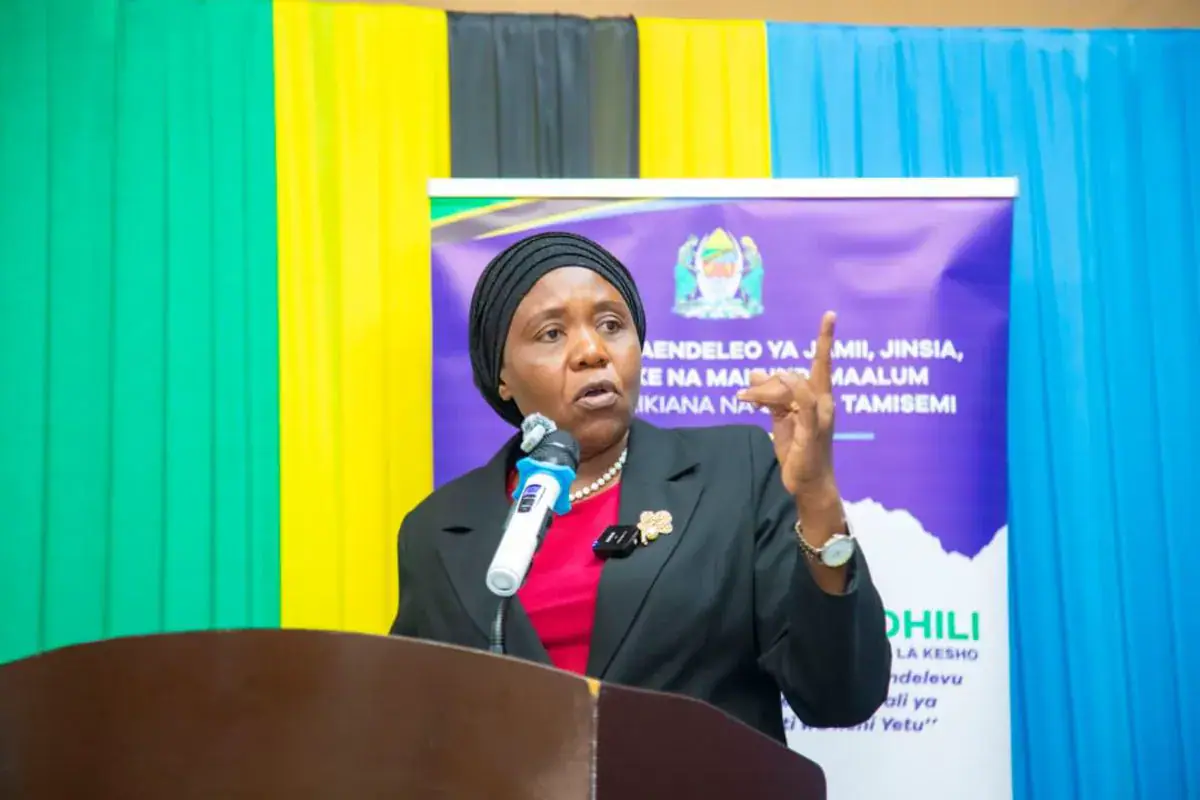
The Tanzanian government has issued a directive to regional and local government authorities to align their plans, budgets, and development priorities with the actual needs of children, particularly in early childhood care and development. This move aims to ensure that children's issues are addressed effectively across regions, districts, and councils. Minister for Community Development, Gender, Women and Special Groups, Dr Dorothy Gwajima, emphasized the importance of prioritizing investment in early childhood development.
Dr Gwajima made the remarks on Wednesday, September 23, 2026, when opening a three-day mid-year review meeting of the National Integrated Programme for Early Childhood Care, Growth and Development in Dodoma. The meeting brought together over 340 participants from regions, sectoral ministries, institutions, and organizations to assess the implementation of the programme and share experiences to improve its delivery. The programme is crucial in achieving the country's objectives of Vision 2050.
Dr Gwajima directed authorities to make children's issues a permanent agenda item in regional, district, and council meetings and ensure services are delivered through an integrated approach. She also called for greater attention to children with disabilities and those living in vulnerable circumstances. This move is expected to improve the overall well-being of children in Tanzania.
The minister urged councils to strengthen supervision of daycare centres to ensure they meet required standards, while improving training for parents, caregivers, and service providers. This will enable children to receive quality care and education, setting them up for future success. Additionally, Dr Gwajima called for better nutrition services and monitoring of children's growth.
Dr Gwajima emphasized that the National Development Vision 2050, particularly its second pillar on improving people's lives and wellbeing, places an obligation on the country to invest in human development from the earliest stages of life. The focus should be on ensuring children follow an appropriate development path by the age of five, as early investment will have long-term benefits for families and society.
The Ministry's Permanent Secretary, Mr Eliakimu Maswi, highlighted the importance of the meeting in assessing the implementation of the programme and sharing experiences to improve its delivery. He noted that early childhood care, growth, and development is a fundamental part of building people and that the country's major task is to ask whether the systems currently in place enable a child to reach their full potential by 2050.
Dr Gwajima concluded by emphasizing that if children are raised well today, their families will be strengthened, and a society with values and solidarity will be built. This, in turn, will lead to a strong nation capable of achieving Development Vision 2050. The government is committed to investing in human development from the earliest stages of life to ensure a brighter future for Tanzanian children.
Key points
- The Tanzanian government has directed councils to prioritize child welfare budgets to address the actual needs of children.
- The government aims to ensure that children's issues are addressed effectively across regions, districts, and councils.
- The National Development Vision 2050 emphasizes the importance of investing in human development from the earliest stages of life.